Our investment in a successful local currency funding model is helping fuel economic growth
Recognising the critical role that SMEs play in the Ghanaian economy, we launched Growth Investment Partners (GIP) Ghana in 2023. This was the first platform of its kind, created with a commitment to bridge Ghana’s financing gap for SMEs by offering access to long-term capital, primarily in local currency.
Crucially, GIP Ghana offers more than just funding. With support from our technical assistance facility, BII Plus, it helps investees by improving governance processes and capabilities, and financial management practices – both key risk areas for typical SMEs. It also helps firms enhance their environmental and social practices, ensuring they meet not only local laws but also global certification standards where appropriate.
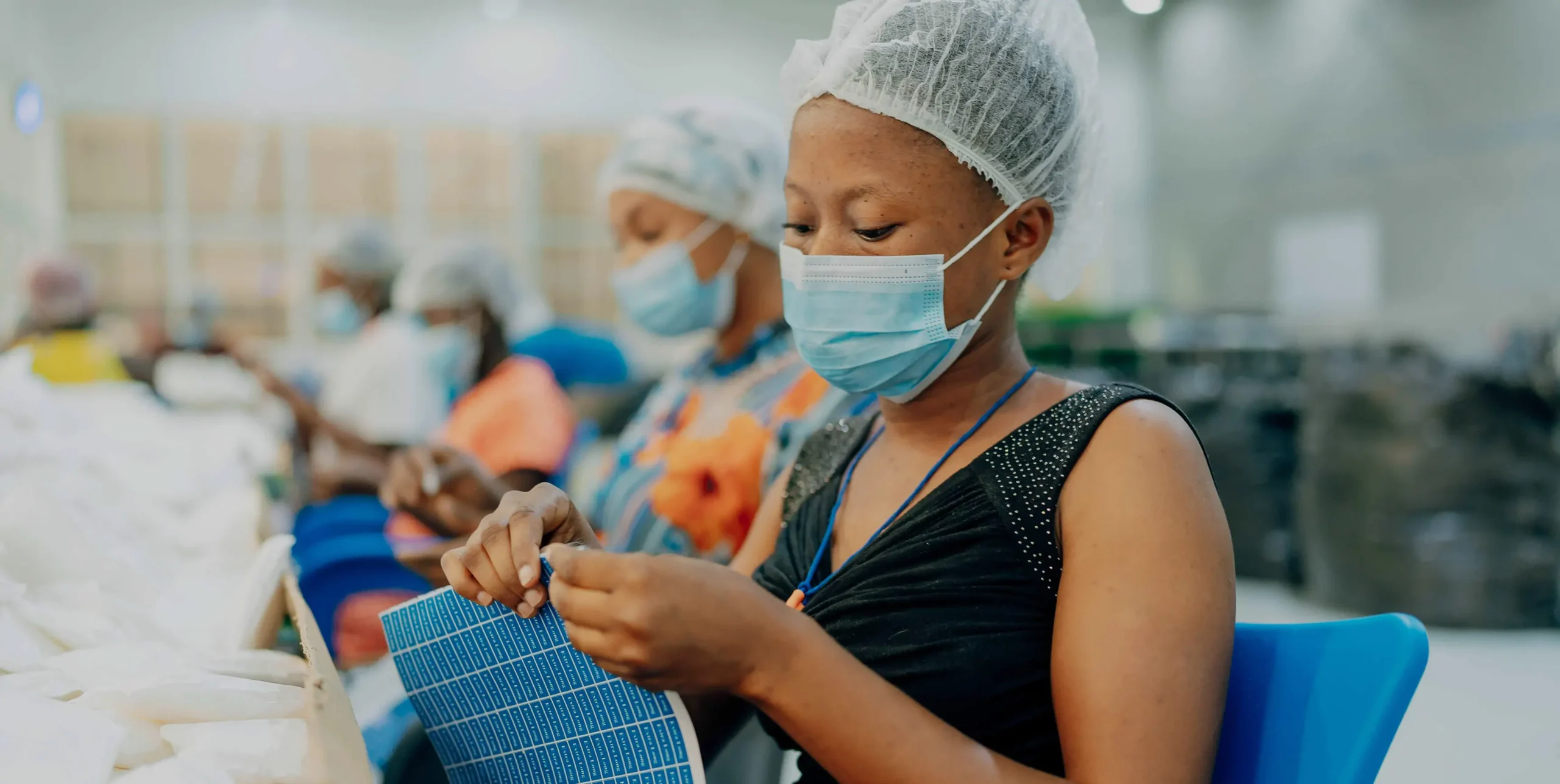
This includes Fay International, a Ghanaian manufacturer producing women’s health products designed and made by women. With BII’s investment through GIP Ghana, the company is expanding production and creating quality jobs for women, as well as increasing access to essential products.
In 2025, we built on GIP Ghana’s success by launching the GIP platform in Zambia in partnership with Zambia’s National Pension Scheme Authority (NAPSA) and Swedfund. GIP Zambia will provide more than $300 million in patient capital funding over the next 15 years to support the growth of 150 SMEs. The early-stage involvement of NAPSA, Zambia’s largest pension fund, is significant. Mobilising local pension capital alongside international development funding is expected to strengthen the long-term economic impact of the platform and demonstrate how similar projects could be financed in future.
Most recently, GIP Ghana welcomed new funding from Axis Pension Trust – a leading Ghanaian private pension fund – and Norfund, the Norwegian development finance institution. This development reflects growing confidence in GIP’s model of deploying flexible, local currency capital to high-potential SMEs.