Key
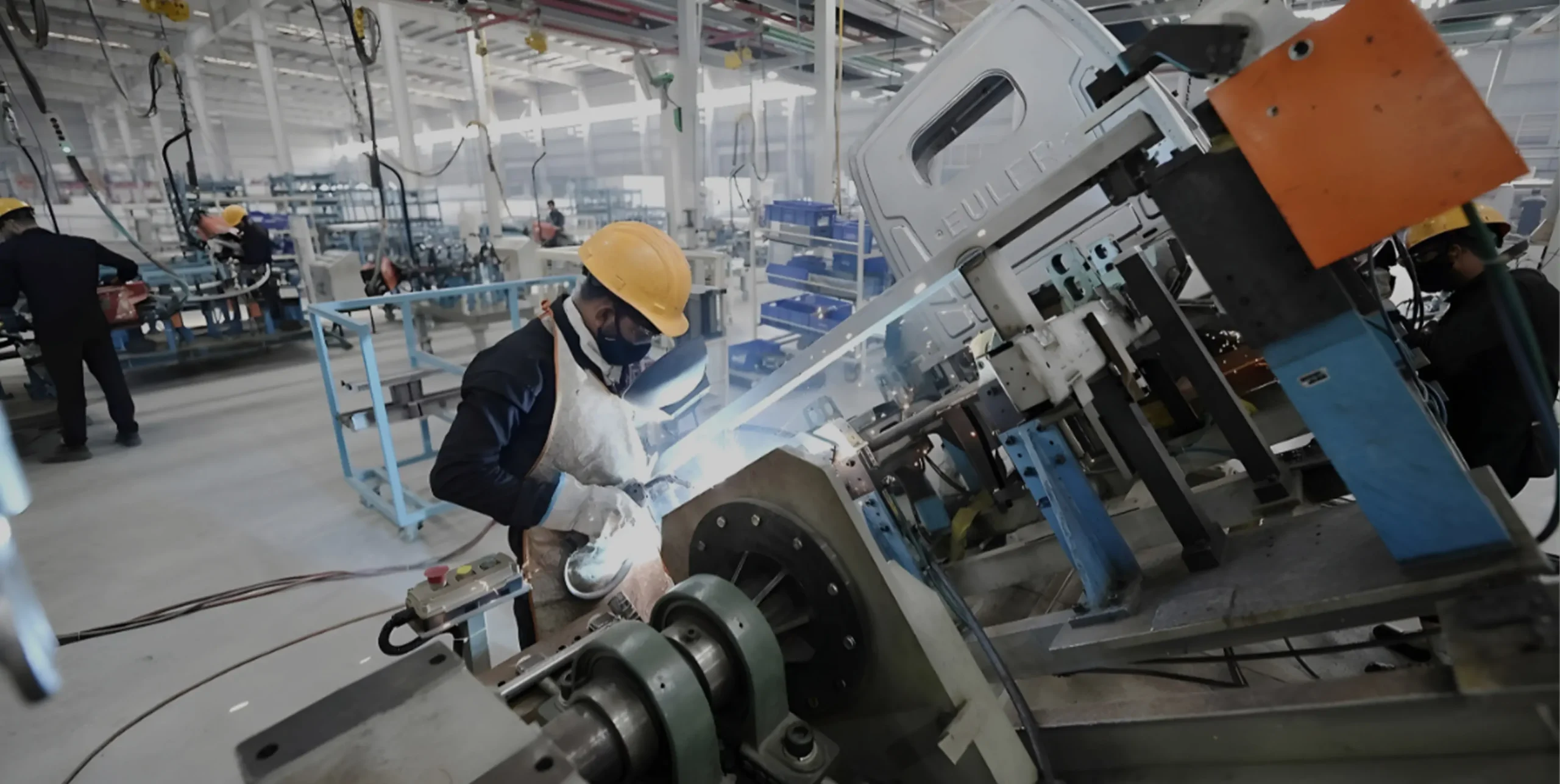
In 2025, our portfolio of businesses supported direct jobs for 1,059,280 people (in full-time equivalents). Of these, 320,650 are employed by businesses we back directly and 738,630 are employed by companies within the investment funds we have backed. The net increase in jobs in our portfolio was 25,060.
In addition, projects in our portfolio supported 18,290 temporary construction workers involved in building new assets.
Of the firms supported, 60 per cent are SMEs (under 300 employees) and 27 per cent are small businesses (under 50 employees).
direct jobs supported by our portfolio
The rate of job growth in our portfolio in 2025 was 2.4 per cent, compared with a background growth rate of 2.0 per cent, according to ILO statistics. The 2025 job growth within the portfolio comes primarily from growth in Asia (4 per cent), moderating from recent exceptional years that were driven by strong financial services performance. Over the past five years, the businesses we invest in have grown their workforces annually by an average of 5.5 per cent. This compares with an average growth rate of 3.4 per cent for all employees in Africa, Asia and the Caribbean, according to ILO statistics.
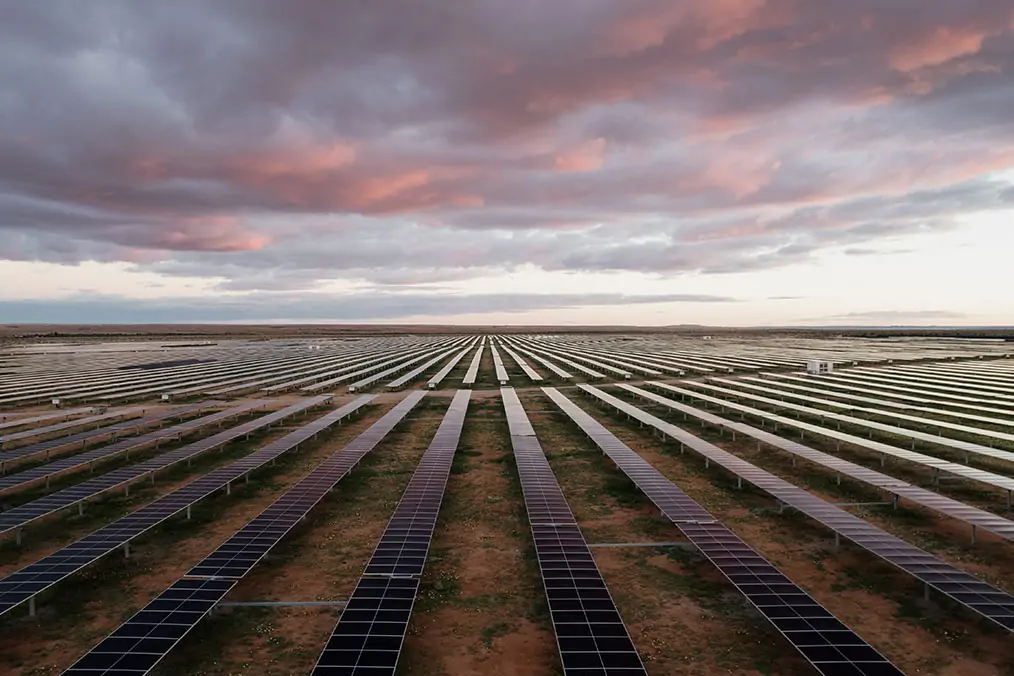
By improving access to electricity and finance, as well as supporting local wages and supply chains, the investments we make indirectly support many more businesses and livelihoods. In 2025, electricity generated by our portfolio companies supported an estimated 884,000 workers. This is slightly lower than 2024, despite slightly higher overall production, reflecting changes in the country distribution of power production.
We estimate the credit that BII-backed financial institutions offer to businesses supports as many as 6.7 million workers across the economies of Africa and South Asia – both in the borrowing companies and their supply chains. This has increased compared with 2024, driven by growth in gross loan portfolios.
We know that wages spent by workers on local consumption support economic activity. We estimate that local spending of wages supported over 3.5 million jobs, up from 2024, reflecting higher revenues across our investees. Finally, we estimate that the supply chain purchasing of our portfolio companies indirectly supported 2.7 million workers in the wider economy, also up compared with 2024, driven by increased business activity and revenues within our portfolio.
We know that the indirect impacts of business operations can be significantly greater than their direct impacts, generating value in the economy by supporting additional employment. To help investors understand these indirect effects, we worked with other DFIs and researchers to produce the Joint Impact Model. You can find further information at: jointimpactmodel.org
The indirect job numbers in this report are all estimated using that model. In our results, we don’t attribute the increase in job numbers in our portfolio to ourselves – they are the total of what happens at the companies and projects where BII is one investor. This is because the results are largely due to the hard work and successes of the teams at our portfolio companies; our capital and know-how are only two reasons among many for their success.
In 2025, our portfolio businesses reported tax payments of $5.5 billion. This represents a significant increase compared with 2024, driven primarily by improved data coverage following the rollout of a new data collection platform, alongside moderate underlying growth within portfolio companies. This provides a tax base for governments to invest in social infrastructure and public goods.
reported tax payments

© British International Investment plc. 2025 “British International Investment”, the British International Investment logo and “BII” are the intellectual property of British International Investment plc. British International Investment plc is authorised and regulated by the Financial Conduct Authority.
Loading video...