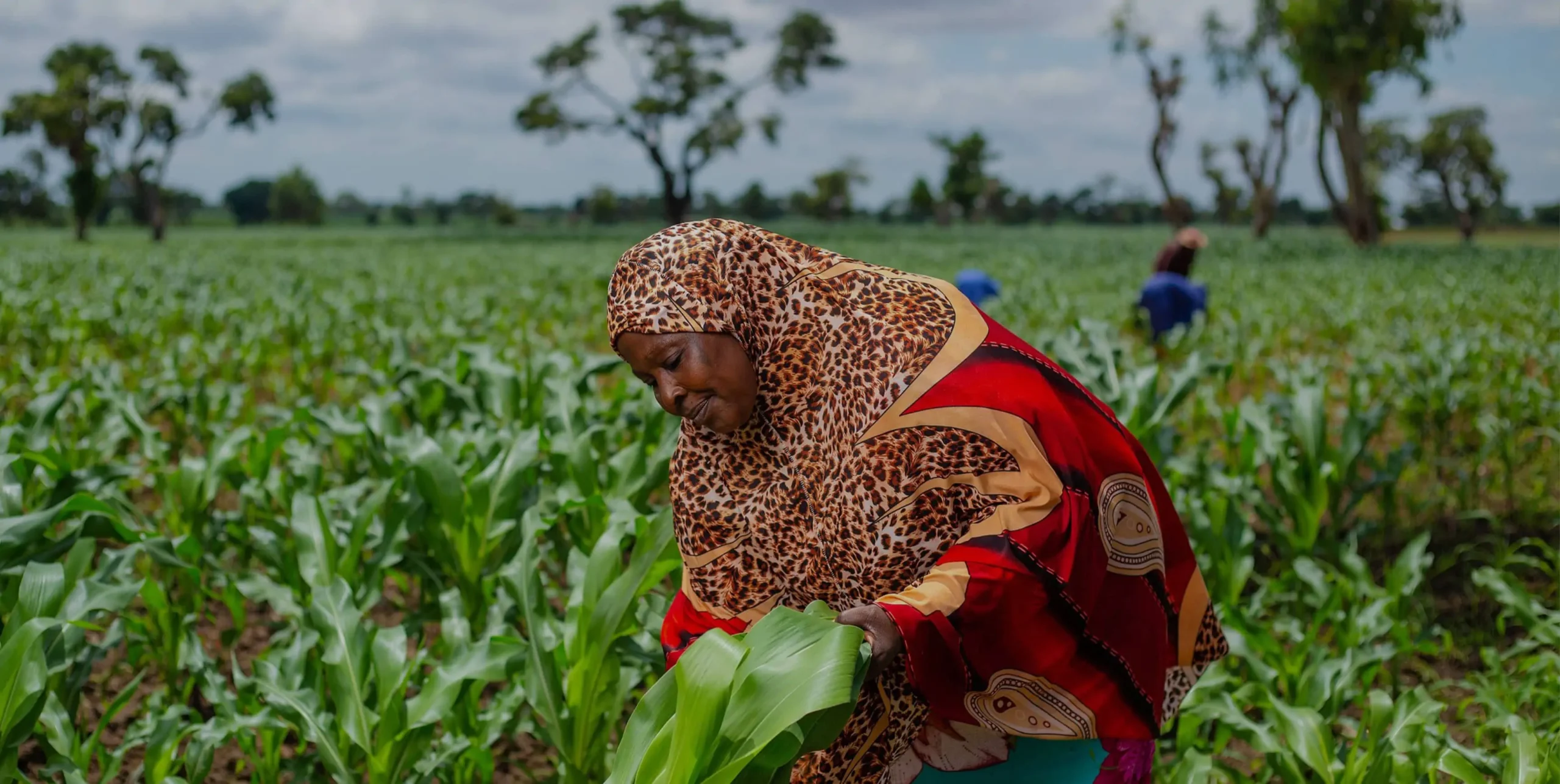
Image of woman in field

Our investment is improving food security while improving the livelihoods of smallholder farmers


Maize is an important staple in Nigeria, delivering essential calories and nutrients for millions. Northern Nigeria produces 50–60 per cent of the country’s maize, but smallholder farmers struggle to grow their business and increase their income. Limited access to finance, farming advice, good-quality seeds and fertiliser constrain productivity, while climate risks such as floods and drought also place pressure on crop yields and make income unpredictable. Together, these challenges can lead to post-harvest losses of up to 30 per cent, increasing food insecurity across the region.

In 2025, we invested £5.6 million in Nigerian agri-tech platform Babban Gona, to boost food security and climate resilience for smallholder farmers in Northern Nigeria. Babban Gona, which means ‘Great Farm’ in the Hausa language, offers smallholder famers end-to-end services via its AI-powered platform, including seeds and fertilisers, access to credit, training in climate-smart farming and help with harvesting, storing and selling crops.

Alongside improving food security and incomes, building climate resilience for smallholders is a critical part of Babban Gona’s business model. Babban Gona’s climate-smart support includes drought-resistant seeds and insurance that protects farmers when crops are damaged by events such as floods or droughts. Supported by our investment, Babban Gona expects to improve yields, incomes and climate resilience for around 140,000 smallholder farmers in Northern Nigeria by 2029.
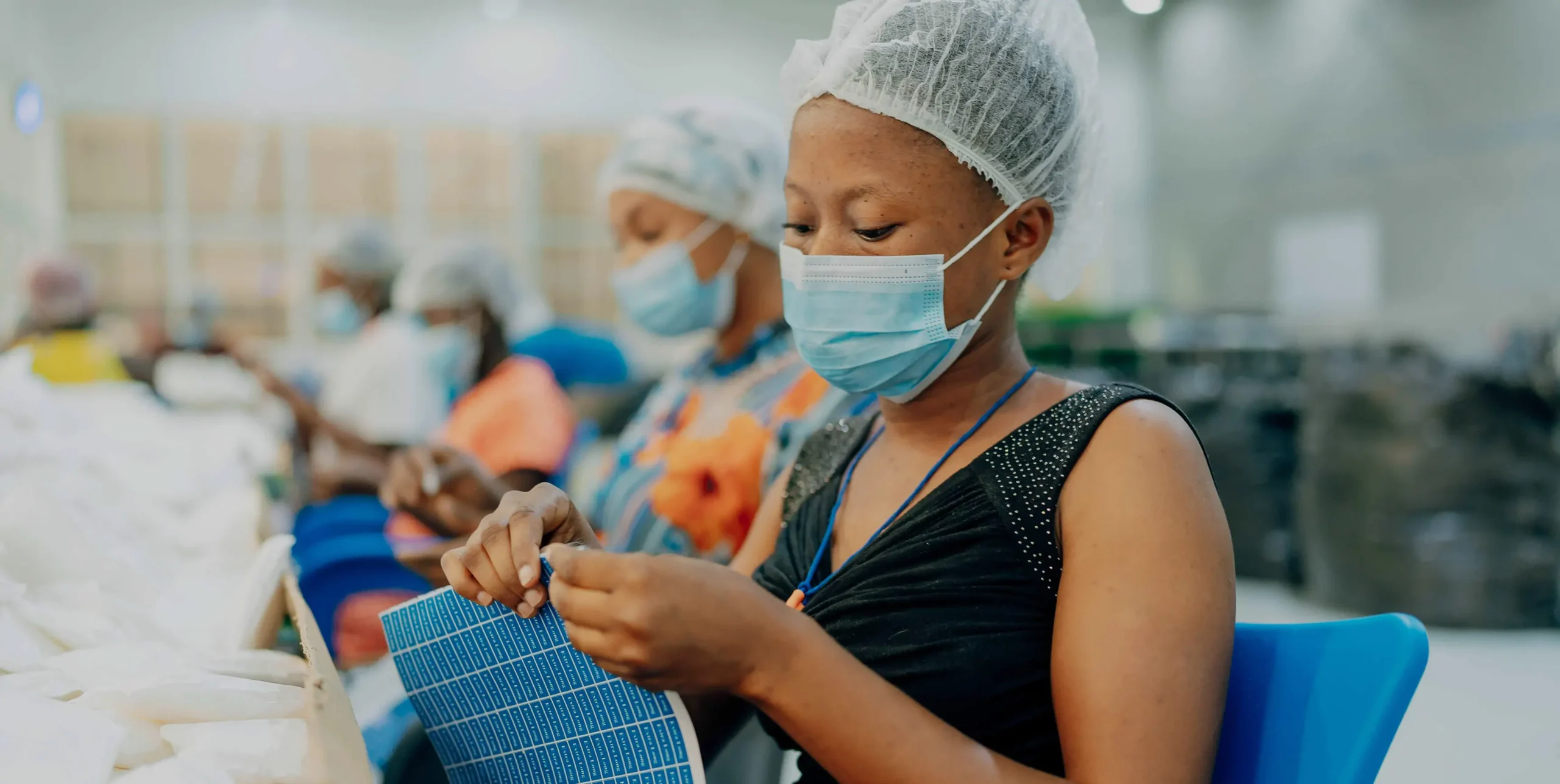
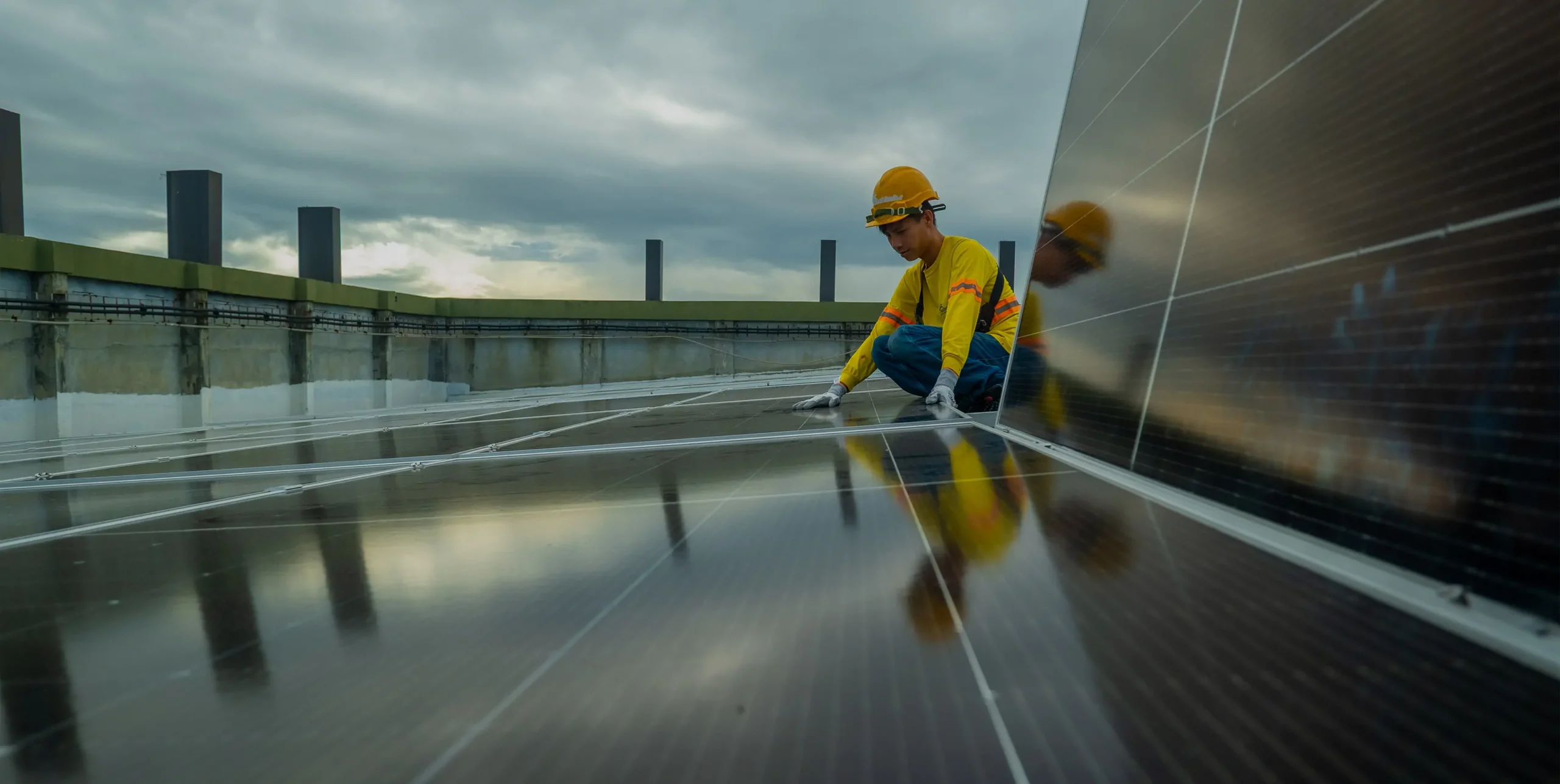
Image of women on factory line

Our investment in a successful local currency funding model is helping fuel economic growth


Recognising the critical role that SMEs play in the Ghanaian economy, we launched Growth Investment Partners (GIP) Ghana in 2023. This was the first platform of its kind, created with a commitment to bridge Ghana’s financing gap for SMEs by offering access to long-term capital, primarily in local currency.

Crucially, GIP Ghana offers more than just funding. With support from our technical assistance facility, BII Plus, it helps investees by improving governance processes and capabilities, and financial management practices – both key risk areas for typical SMEs. It also helps firms enhance their environmental and social practices, ensuring they meet not only local laws but also global certification standards where appropriate.

This includes Fay International, a Ghanaian manufacturer producing women’s health products designed and made by women. With BII’s investment through GIP Ghana, the company is expanding production and creating quality jobs for women, as well as increasing access to essential products.

In 2025, we built on GIP Ghana’s success by launching the GIP platform in Zambia in partnership with Zambia’s National Pension Scheme Authority (NAPSA) and Swedfund. GIP Zambia will provide more than $300 million in patient capital funding over the next 15 years to support the growth of 150 SMEs. The early-stage involvement of NAPSA, Zambia’s largest pension fund, is significant. Mobilising local pension capital alongside international development funding is expected to strengthen the long-term economic impact of the platform and demonstrate how similar projects could be financed in future.

Most recently, GIP Ghana welcomed new funding from Axis Pension Trust – a leading Ghanaian private pension fund – and Norfund, the Norwegian development finance institution. This development reflects growing confidence in GIP’s model of deploying flexible, local currency capital to high-potential SMEs.

Image of man on solar panel

Our investment is helping commercial and industrial businesses switch to clean, low-cost power through scalable solar solutions


South-East Asia is home to fast-growing economies that have historically relied heavily on coal and gas, particularly across commercial and industrial sectors. At the same time, the region is highly vulnerable to the impacts of climate change. This combination has increased the urgency of using renewable energy to help meet ambitious decarbonisation targets. While governments have introduced supportive policies to accelerate the transition from fossil fuels to renewables, adoption across commercial and industrial sectors requires significant private investment.

In 2024, we made a joint investment alongside Idemitsu Kosan, one of Japan’s leading energy companies, in Skye Renewables (Skye). Skye builds and operates on-site solar power systems for commercial and industrial customers, enabling businesses to transition to clean energy without upfront capital costs. Clients sign long-term power purchase agreements that provide them with lower-cost clean energy while reducing their emissions.

Our investment is supporting Skye’s target of building more than 300MW of greenfield solar power capacity for commercial and industrial customers in countries including the Philippines, Vietnam, Singapore and Malaysia. Its growing client list includes Honda, Decathlon, and mall and supermarket operator LLC. As Skye grows, its solar projects are expected to help avoid 270,000 tonnes of CO2e annually, equivalent to the emissions generated by 47,000 homes in a year.

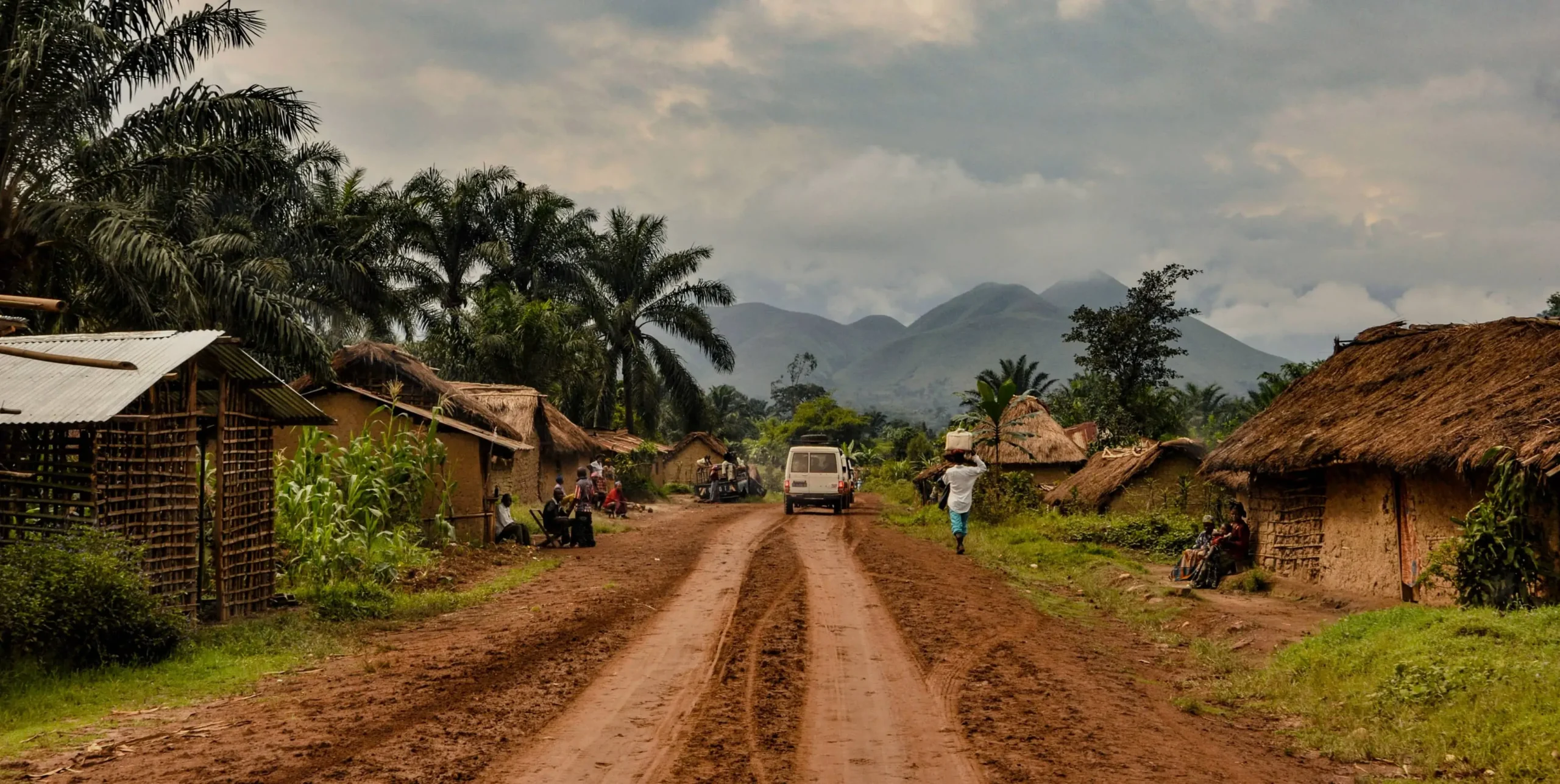
Image of road

Our investment is helping off-grid solar companies reach 34 million people in sub-Saharan Africa


Around 600 million people in sub-Saharan Africa live without access to electricity, and many are concentrated in its least-developed economies. These are markets where electrification rates can be as low as 12 per cent, where commercial investors rarely venture, and where off-grid solar companies struggle to access the working capital they need to grow.

In 2025, we committed £14.8 million to H2R Amplify, the debt-focused vehicle within Acumen’s Hardest-to-Reach initiative. The fund provides impact-linked loans and receivables financing to off-grid solar companies operating across 16 of sub-Saharan Africa’s most underserved countries, helping them manage working capital as they scale into markets that traditional investors overlook.

One company supported through an earlier vehicle in Acumen’s Hardest-to-Reach initiative is Yellow Malawi. The company helps low-income rural customers in Malawi, Rwanda, Uganda, Zambia and Madagascar buy solar home systems and smartphones through affordable financing. Rather than paying upfront, customers pay in instalments, making clean energy and connectivity accessible to people who would otherwise go without. These are the kinds of businesses H2R Amplify is designed to support as it scales.

H2R Amplify expects to reach 34 million people, including 26 million who are gaining energy access for the first time. It expects to displace enough polluting fuel to mitigate 2.3 million tonnes of carbon emissions. The fund is also 2X Challenge-qualified, reflecting a commitment to expanding economic opportunities for women as both customers and employees in the off-grid solar sector.

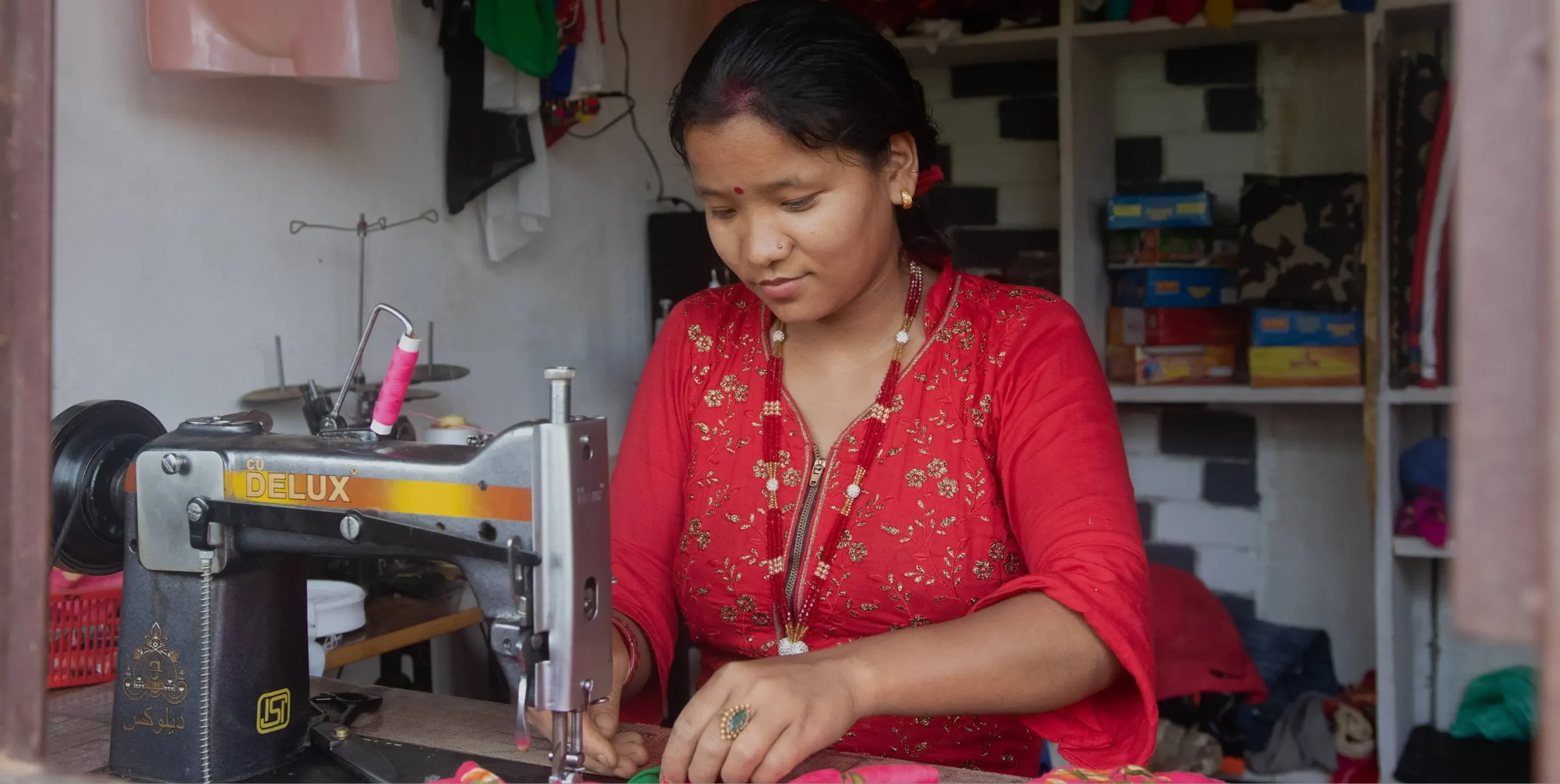
Image of woman sewing

Our investment is bringing fast, affordable broadband to underserved communities, improving access to digital services and driving wider market change


Connecting people to fast, reliable and affordable internet opens up opportunities for businesses, families and entire communities. Yet until recently, large parts of Nepal remained unconnected. In 2018, less than one-third of the population had internet access and only 6 per cent of households had fixed broadband subscriptions.

In 2019, we invested in internet service provider WorldLink, which had committed to expanding high-quality, fibre-to-the-home internet connectivity beyond Kathmandu Valley and into Nepal’s smaller cities and remote areas. Since then, the company has expanded from around 300,000 connected households to more than one million, with most of this growth from outside the Kathmandu Valley. Over the same period, access to fixed broadband across the country has increased sharply, reaching around 48 per cent of households by 2024.

The wider impact has been at a market level. By proving the commercial viability of fibre networks beyond major cities, WorldLink has helped to catalyse competition across the sector. This has contributed to a step up in service quality, with internet speeds increasing substantially while prices have fallen, improving access and affordability for consumers across Nepal. WorldLink has demonstrated that high-speed, reliable internet can be delivered at scale outside major urban centres, opening up access to digital services for businesses, households and communities that had previously been underserved.