Our impact
performance

Our impact performance

Sustainable Development Goals

We invest to make a lasting difference to people and the planet. This is shown through our commitment to the UN’s SDGs.

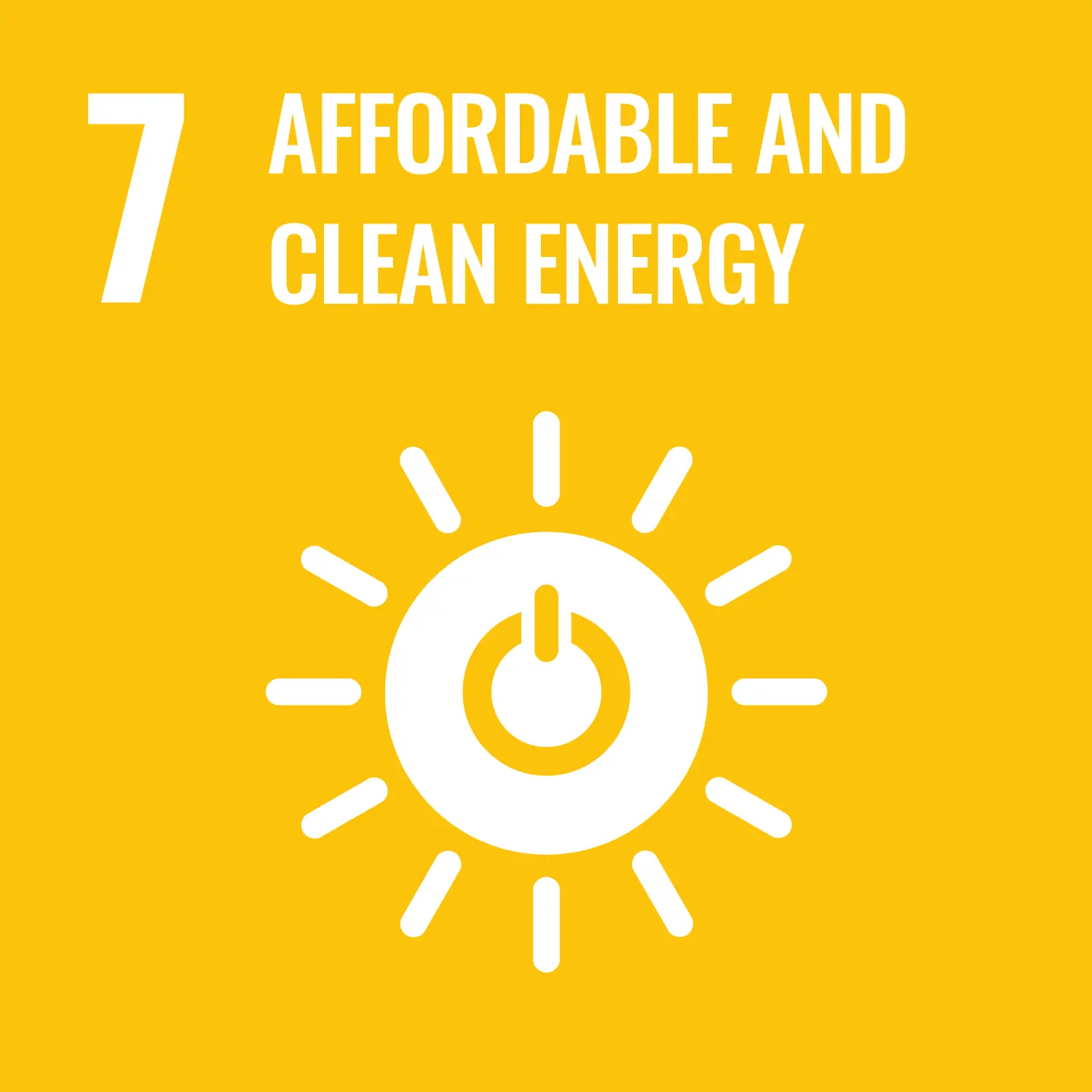
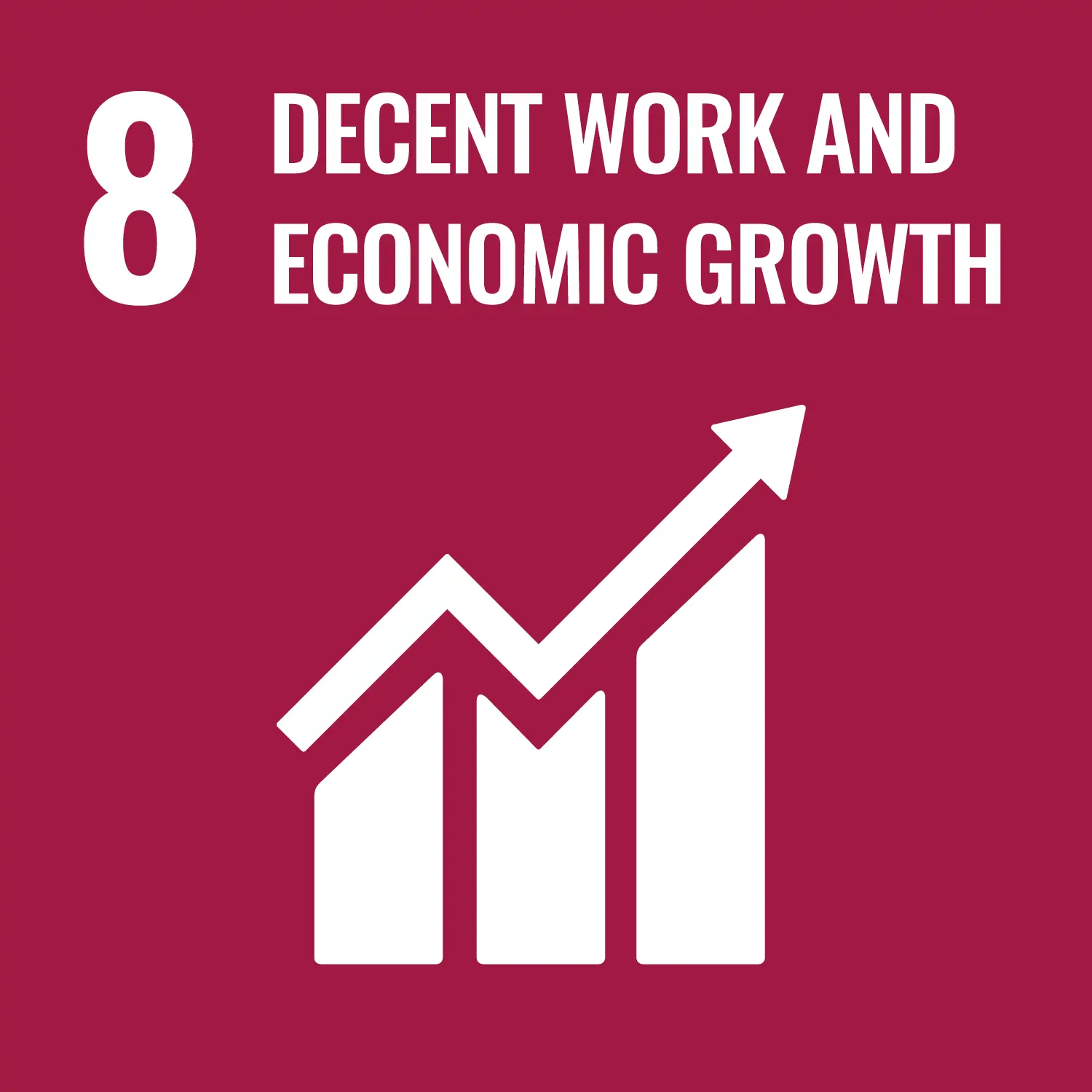
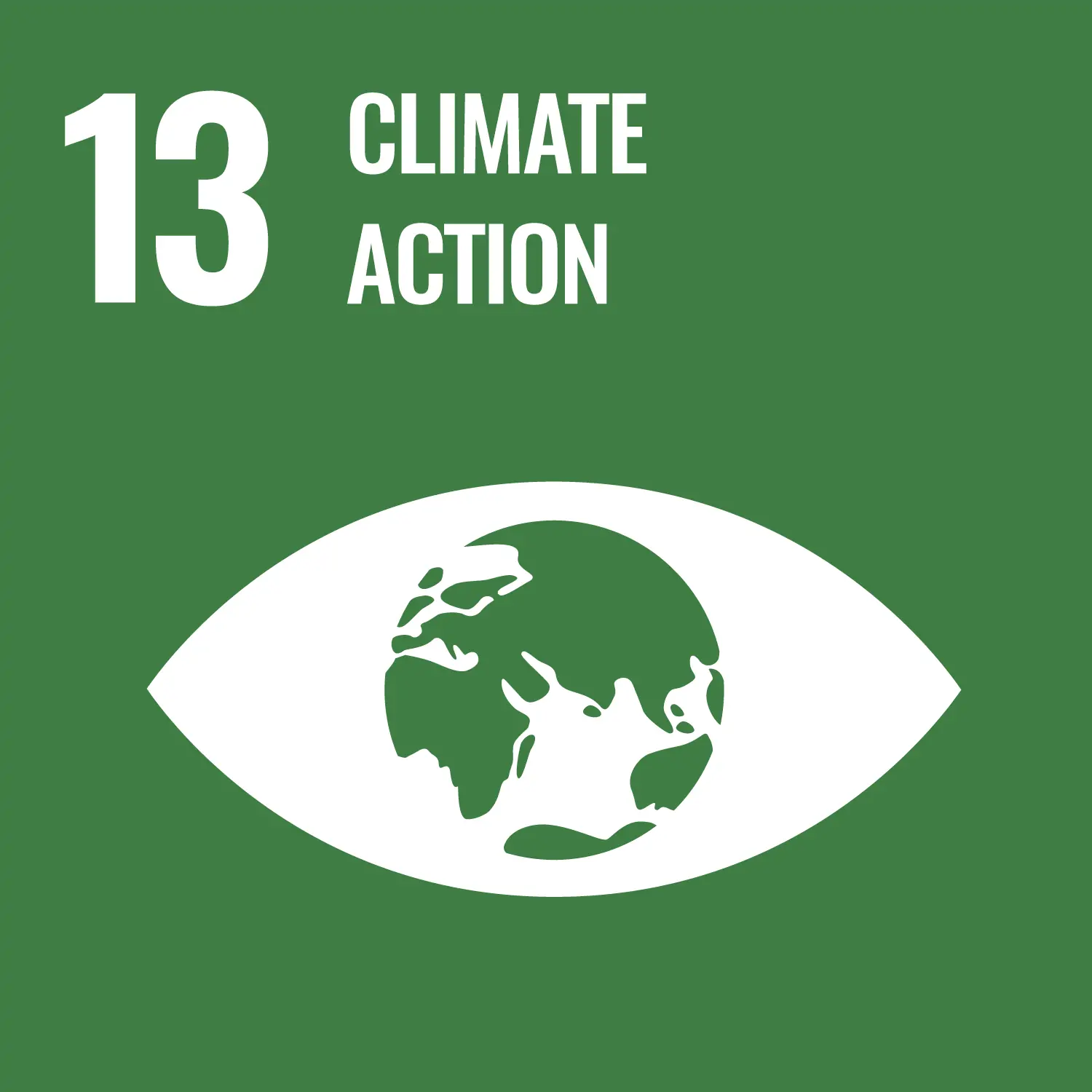
We target a wide range of global issues set out in the goals, beginning with Goal 1 on poverty, along with others such as promoting economic growth, creating more and better jobs (SDG 8); access to goods and services such as power infrastructure and telecommunications (SDGs 7 and 9); gender equality (SDG 5); and climate action (SDG 13). Illustrated to the right are the three SDGs that received the largest capital commitments from us in 2025, along with the corresponding commitment values. In 2025, these were SDGs 8, 13 and 7.
Our overall impact approach ensures we meet the Operating Principles for Impact Management, which form the international standard for impact management. We have also been included in BlueMark’s 2026 Practice Leaderboard, which was introduced to highlight impact investors with best-in-class impact management practices.

Top three SDGs by financial commitment, 2025
£1,053.4m
£844.1m
£641.1m

Our Impact Score

How we calculate our Impact Score

Our Impact Score is designed to recognise and incentivise investments that are likely to contribute most to our three strategic impact objectives of productive, sustainable and inclusive development.


We give every potential investment a score for each of these three objectives and then calculate an overall investment score. We combine individual scores to create an aggregate Impact Score for our portfolio.


In our new strategy period, 2026–31, we will keep the core structure of our Impact Score, while refining it to reflect what we have learned and recent shifts in our strategy. These include a stronger focus on market-level impact, mobilising private capital, and frontier markets.


Our Impact Score is just one part of our overall approach to impact.

Our Impact Score performance

In 2025, our aggregate Impact Score was 6.9. This is based on the expected impact of our new commitments and the impact delivered by our portfolio. Our aggregate Impact Score, and the process we use to score individual investments, are externally assured by an independent third party using international standards. This means a third party has reviewed the scoring process and tested a sample of investments to increase our confidence that we have implemented the tool in line with our processes and procedures. 


Our Impact Score in 2025
6.9

Evaluating our impact

A core part of our approach to impact management is our evaluations programme.

These evaluations evidence the impact of our investments on people and the planet using innovative, rigorous research and evaluation methods. We work with the FCDO to commission independent evaluations of our investments as part of the Evaluations and Learning Programme, alongside BII-funded studies.

In 2025, our studies helped us learn about our impact performance in several areas. These included the following:

  • A multi-year independent evaluation of our infrastructure portfolio, bringing together evidence from a portfolio-wide review and in-depth studies. It highlighted where our investments are delivering strong development impact, particularly in addressing infrastructure gaps and mobilising private capital in underserved markets, and set out recommendations to strengthen our approach further.
  • A series of deep-dive evaluations exploring how infrastructure investments drive economic transformation. These included studies on port expansion, which showed how improved logistics can lower costs, increase trade and support economic growth, and on fibre broadband, which found emerging evidence that improved connectivity can boost productivity, incomes and living standards.
  • Research on the impact of renewable power on businesses, showing that access to cheaper, cleaner energy can drive growth while significantly reducing emissions.
  • A study examining the economic and climate impact of power investments across six African countries, providing new insights into how different technologies affect growth, reliability and emissions, and highlighting the importance of investing in clean, resilient energy systems.
  • A study on how development finance institutions can mobilise greater private capital, identifying practical ways to attract institutional investment into emerging markets at scale.
  • A study on impact-linked finance, exploring how financial incentives tied to development outcomes can strengthen impact performance.


We strive to ensure that evaluations and research are at the heart of how we make decisions and drive impact. All our evaluations can be found on the How we learn page of our website.