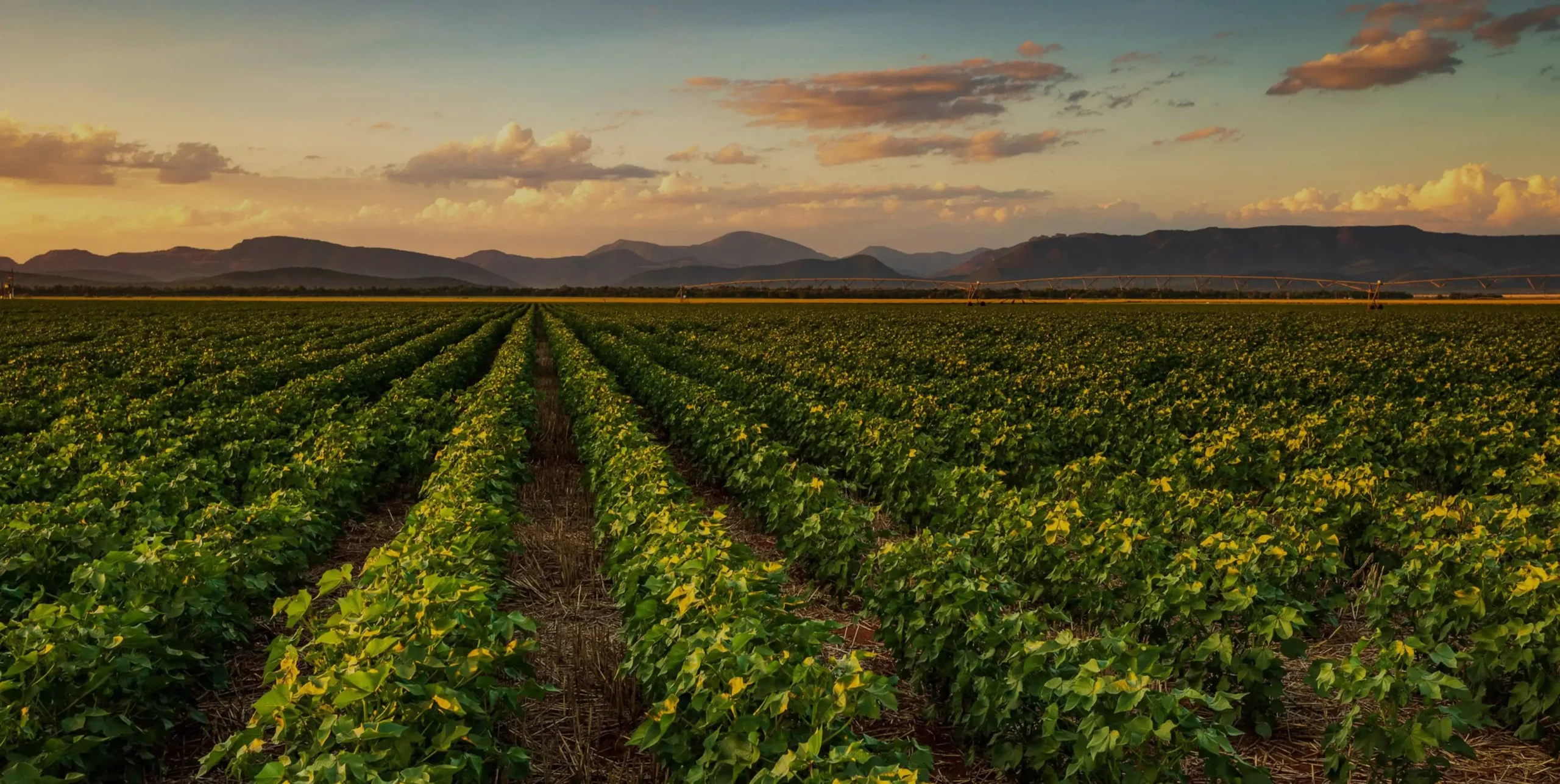
Image of plants growing in a field

Our anchor investment in the ACE fund is unlocking institutional capital for climate-focused investments across emerging markets


The scale of investment required to tackle climate change and support sustainable growth in emerging markets far exceeds the capacity of development finance institutions alone. Mobilising private capital alongside public funding is therefore critical to achieving impact at scale.

In 2025, we became an anchor investor in the Allianz Credit Emerging Markets (ACE) fund, a landmark blended finance vehicle targeting up to $1 billion in investment.

The fund brings together development finance institutions, multilateral banks and private investors within a blended structure. Concessional capital from public institutions, including our $40 million commitment, provides a first-loss tranche that reduces risk and volatility for commercial investors. This will enable up to a further $850 million in private capital to be mobilised into emerging markets.

At first close, the fund secured $690 million in commitments, including $540 million of commercial capital, demonstrating strong investor appetite for well-structured opportunities that combine financial returns with climate and development impact.

ACE will invest in private credit across sectors such as clean energy, sustainable infrastructure, agriculture and financial services, supporting Paris Agreement goals while directing capital to underserved markets across Africa, Asia and beyond.

Our commitment to the ACE fund highlights how we are using concessional capital strategically to unlock significantly larger flows of private finance and help build scalable models for investment in emerging economies.
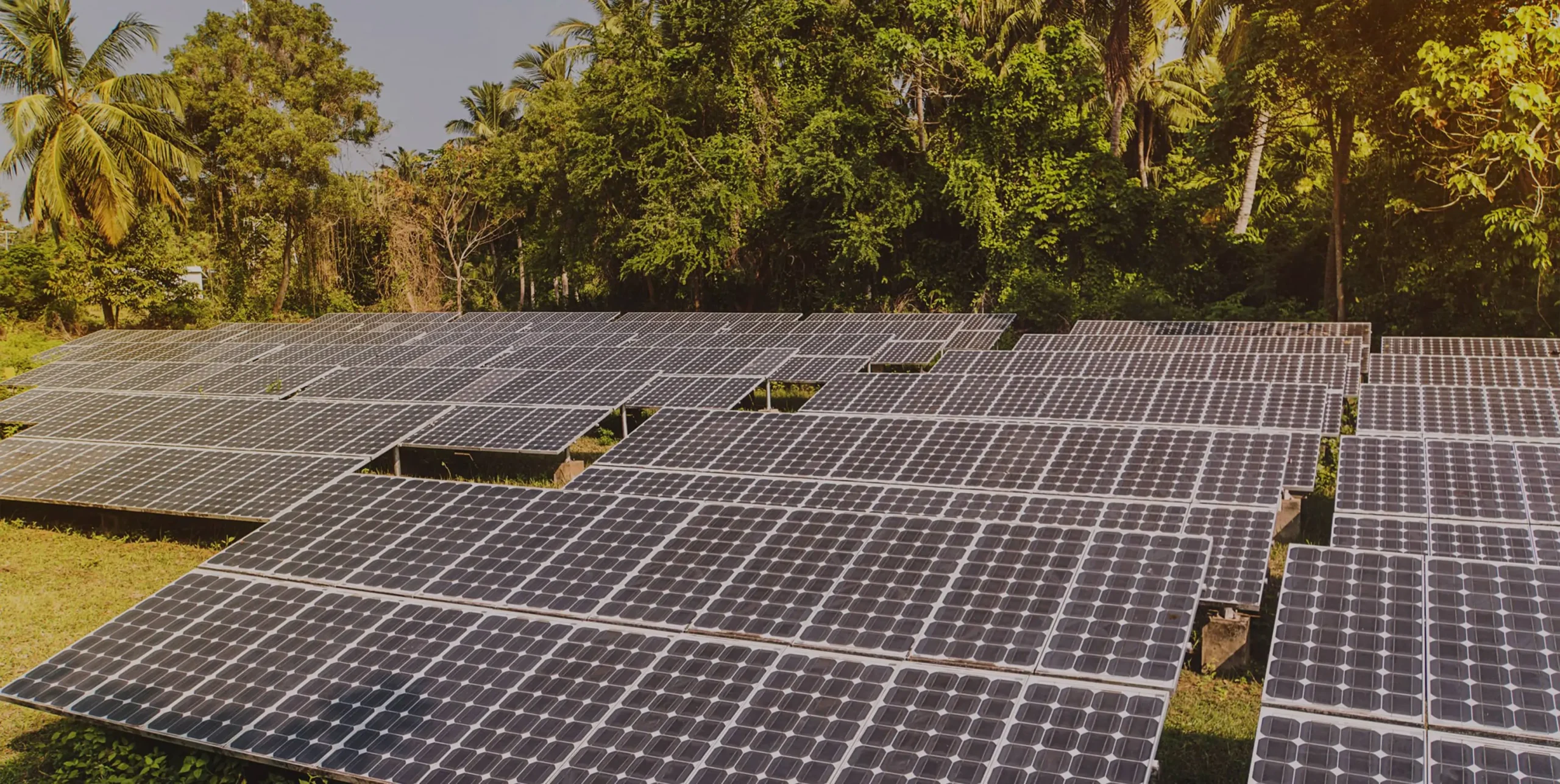
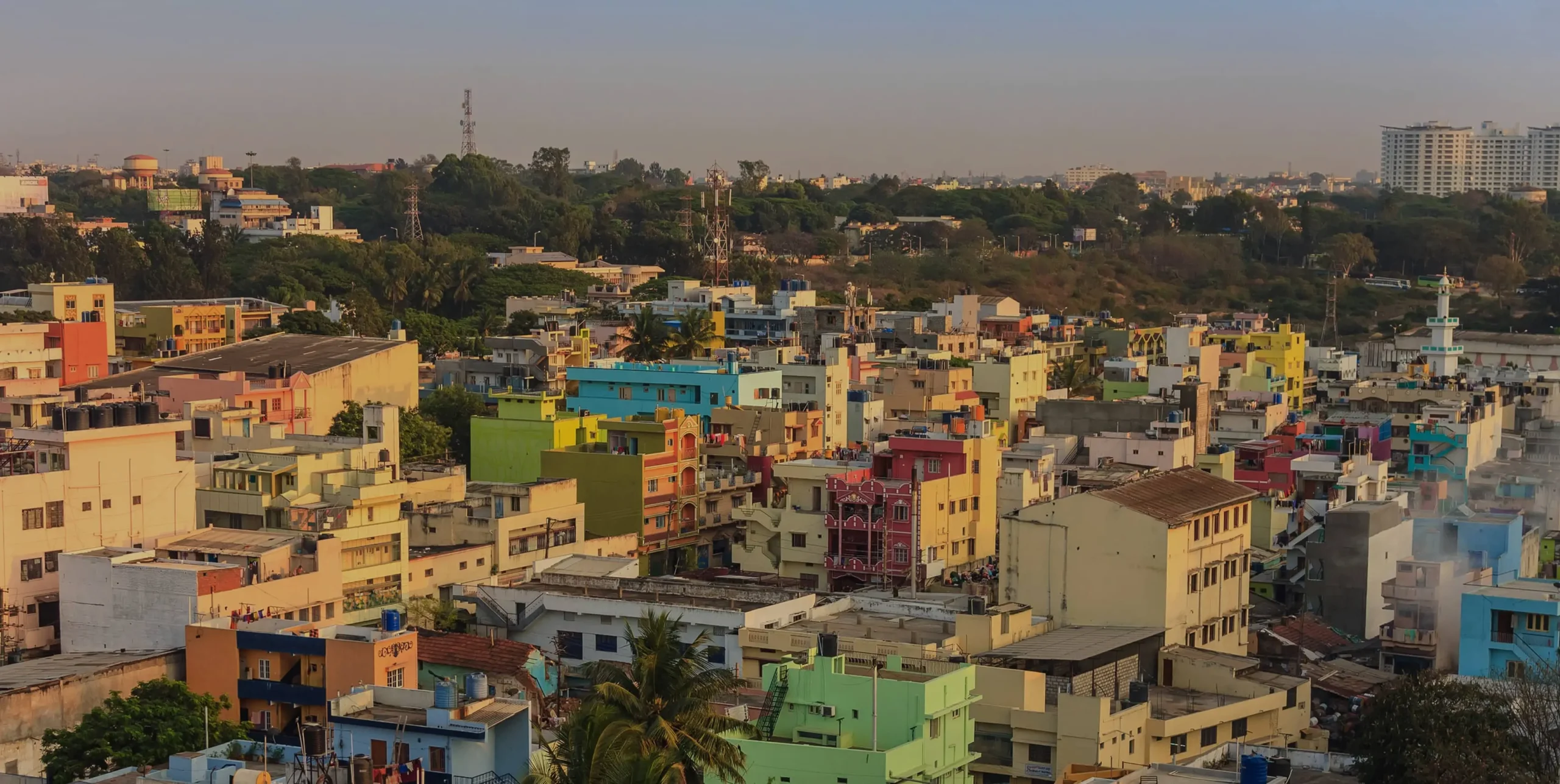
Image of solar panels

Our partnership with Pentagreen is mobilising private capital to support green infrastructure and accelerate the low-carbon transition


South-East Asia is central to the green transition. While the region is highly vulnerable to the effects of climate change, it is also home to fast-growing economies with ambitious decarbonisation goals and rising energy demand. Meeting these goals requires an estimated $210 billion of investment each year in climate-resilient infrastructure – far beyond what public finance alone can provide.

To help address this gap, we committed $60 million to the Green Investment Partnership (GIP), a blended finance vehicle managed by Pentagreen Capital. GIP sits within the Financing Asia’s Transition Partnership (FAST-P), launched by the Monetary Authority of Singapore to mobilise public, private and philanthropic capital for climate projects across the region.

The fund secured $510 million at first close, with a further $300 million raised at second close – $150 million of which came from commercial investors. Our investment helps de-risk the fund’s capital structure, making it more attractive to commercial investors and helping crowd in additional private capital.

GIP focuses on sectors critical to decarbonisation and sustainable growth, including renewable energy, battery storage, e-mobility and the circular economy. Its early investments include bioenergy and solar-plus-storage projects that are expected to significantly reduce emissions while supporting more resilient energy systems.

As one of the first investments from our mobilisation facility, this partnership demonstrates how we are working with fund managers and global partners – including HSBC and Temasek – to translate ambition into practical investment solutions. By supporting platforms like GIP, we are helping to unlock larger pools of capital and accelerate the development of scalable climate infrastructure across South-East Asia.

Image of housing roofs

Our investment empowers more people to access credit so they can buy a home


India faces a significant affordable housing shortfall, with an estimated 22 to 30 million affordable homes needed by 2030. Lack of access to credit is a major barrier to home ownership. Many people working in the informal jobs market or in self-employed roles, particularly women, are unable to prove their income through payslips or tax returns. This leaves them unable to access credit and locked into insecure or overcrowded housing.

Shubham Housing Development Finance Company (Shubham) is bridging this lending gap by making home loans available to underserved borrowers. Instead of relying on formal documentation such as payslips, Shubham’s customised scoring model uses data collection, predictive analytics and machine learning to build a picture of each applicant. Roughly 80 per cent of Shubham’s customers are women co-borrowers, while 13 per cent are sole women borrowers.

We first invested $37 million in Shubham in June 2022, followed by a further $10 million in December 2024. Since then, the business has scaled rapidly: its customer base has increased from 33,000 to 80,000 active borrowers. Following a recent partial share sale, we remain a significant minority shareholder, and continue to support Shubham as it expands access to affordable housing finance across India.

Image of two people with mobile phones

Our investment helps low-income populations – often excluded from traditional banking – to access digital financial services


Using payment technology to help make financial services accessible, and affordable, is considered crucial for fostering Africa’s inclusive economic growth, particularly in frontier markets, such as Mali, Burkina Faso and Niger. One proven model is the introduction of ‘mobile money’ – applications that let people send, receive and store money through their mobile device. Mobile money services most help underserved, low-income customers who struggle to access a traditional bank account but need a convenient and efficient way to make cash transfers and pay bills.

In June 2025, we committed £23.8 million to Wave Mobile Money (‘Wave’), Africa’s fastest-growing mobile money platform. Wave’s ambition is to make affordable, user-centric financial services accessible to everyone. Wave is operating across eight markets, mostly across West Africa.

Crucially, Wave offers the region’s only platform that works across different mobile networks and providers. It has 20 million monthly active users through a network of 150,000 agents and more than 3,000 employees. The company’s mobile-first model, built on low fees, user-friendly design and around-the-clock customer support, has transformed the financial experience for users who have historically been excluded from formal banking operations. Our investment will help Wave to continue its growth in both existing and new markets, expanding access to mobile money and payment services to underserved communities.

Image of two women in discussion

Our investment in Safaricom has opened up access to faster, more affordable connectivity for millions of people


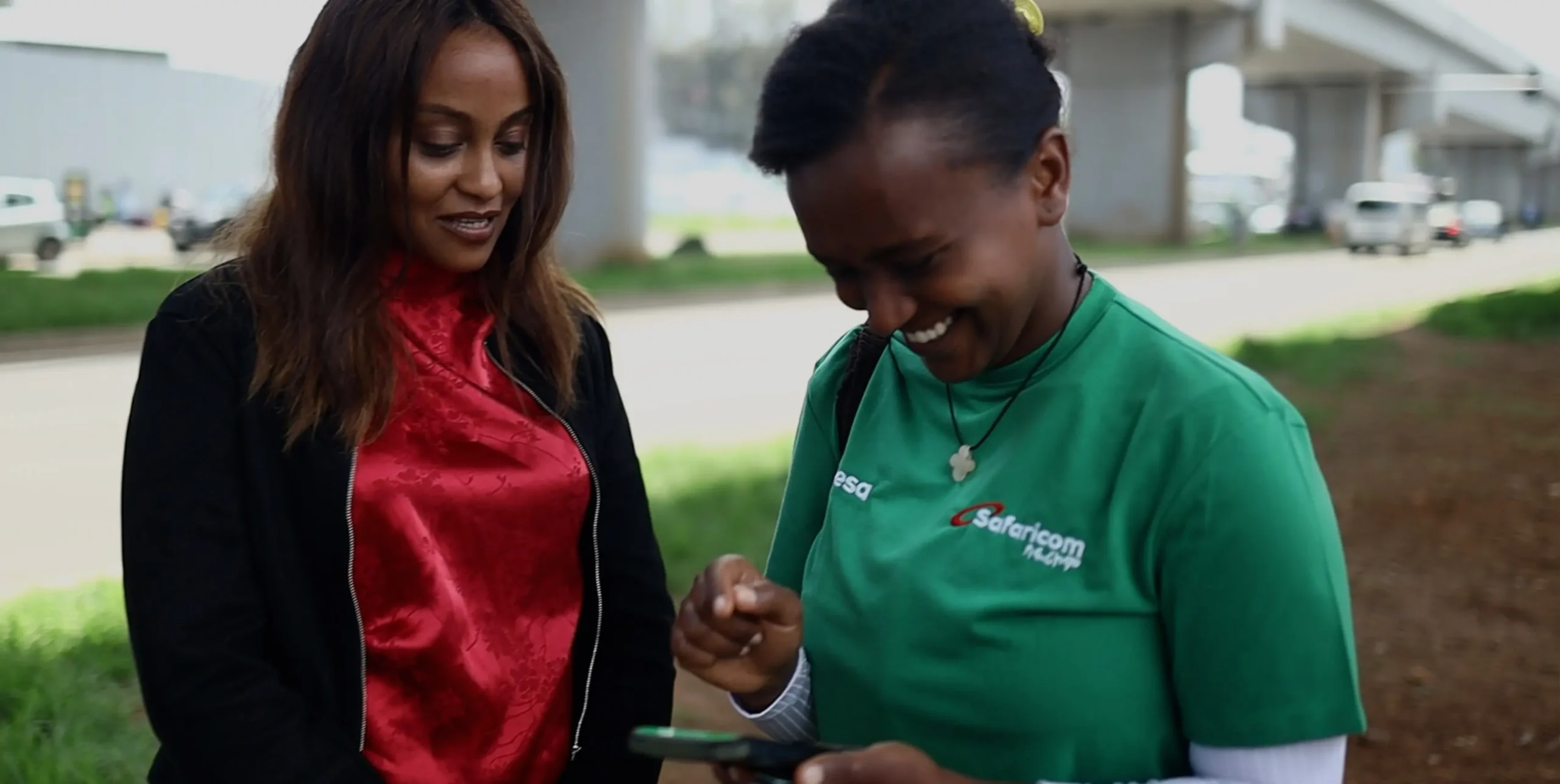
Ethiopia is home to more than 112 million people, yet until recently its telecoms industry was managed by a single state-owned operator and access to affordable, high-quality connectivity was limited.

In 2021, the Ethiopian Government began opening the telecoms sector to competition. Safaricom Ethiopia, which was founded with investment from a consortium that included BII, was awarded the country’s first mobile network licence.

Since then, Safaricom Ethiopia has rapidly scaled its operations, building over 3,500 network towers and connecting around 13 million people to digital services. Its entry into the market has helped drive wider change: competition has reduced mobile data prices, improved network quality and accelerated the rollout of 4G coverage across the country.

These market-wide effects go beyond the direct impact of a single investment. Safaricom Ethiopia has encouraged further investment and reform across the sector – expanding access to fairer prices and better services for millions of people across Ethiopia.

Image of solar panels

Our financing helped deliver multiple renewable energy projects that cut emissions while boosting business growth


India is the world’s third-largest producer and user of electricity. Its commercial and industrial sector, which includes cement, metals, pharmaceuticals and textiles, uses about half of the country’s power and plays a major role in economic growth. Cutting emissions in this sector is vital to India’s energy transition and climate targets.

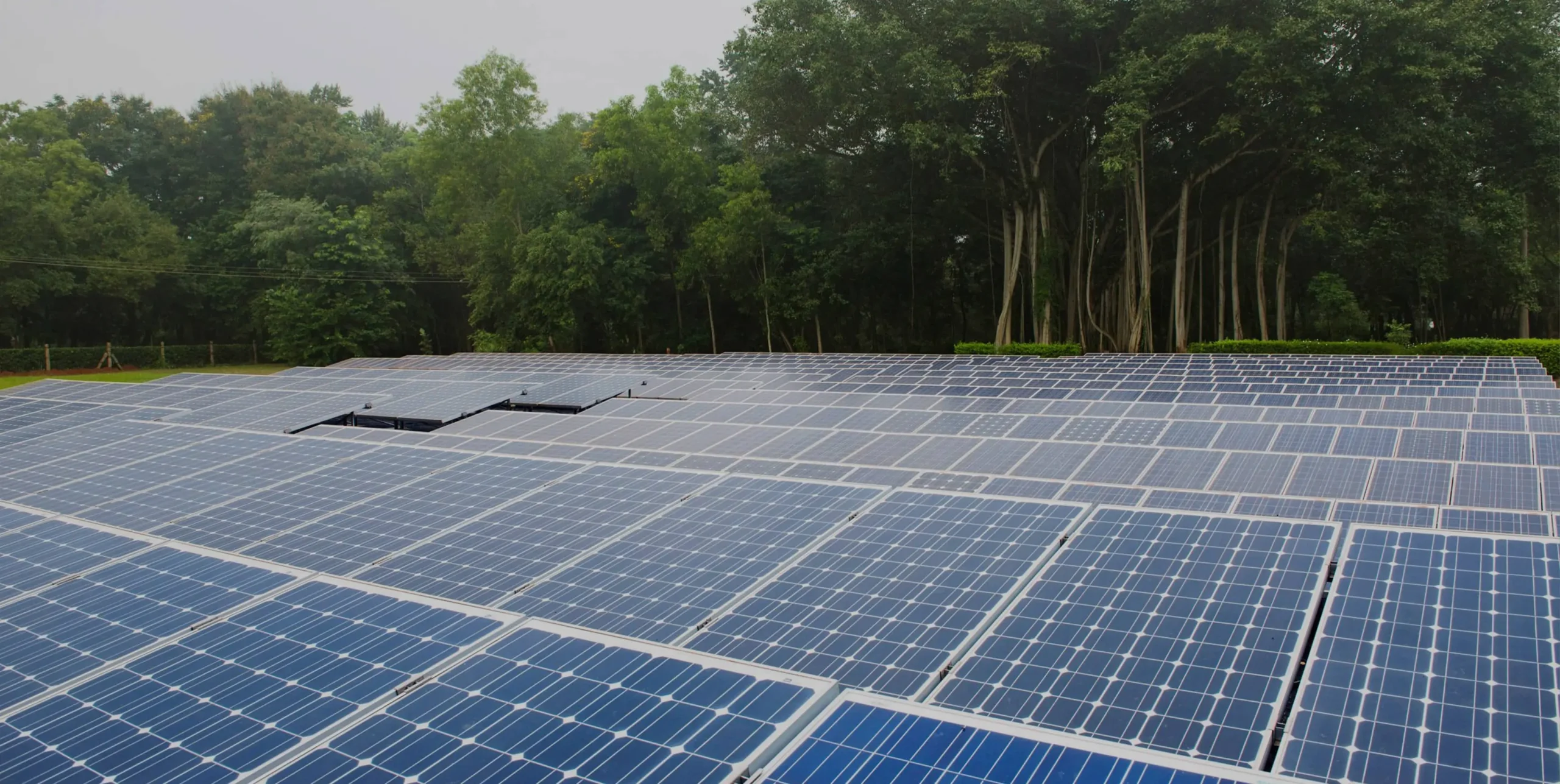
In 2021, we supported Fourth Partner Energy, a leading provider of renewable power solutions for commercial and industrial clients, with financing to support the construction of 217MW of renewable energy projects in India. We made a follow-on investment in 2022, to support a further 295MW of renewable capacity across India, Sri Lanka, Bangladesh, Indonesia and Vietnam. These projects were projected to avoid nearly 326,000 tonnes of CO2 emissions annually, mostly in India. By providing mezzanine finance at a critical stage, we enabled Fourth Partner Energy to scale its open access model, attract additional institutional capital, and expand from distributed solar into larger-scale renewable projects.

Since then, Fourth Partner Energy has connected commercial and industrial businesses to cheaper, more reliable renewable power. This has not only reduced emissions, but also driven productivity gains for its clients, demonstrating that the energy transition can support, rather than constrain, economic growth. In 2025, we published an independent evaluation by Itad and Steward Redqueen, which found that Fourth Partner Energy’s customers gained about $344 million in extra value each year, as a result of switching to lower-cost renewable energy, equivalent to around 3 per cent of their total annual output. It also estimated that the switch to renewable power helped avoid about 3.23 million tonnes of carbon emissions annually.

Image of solar panel in desert

Our investment helped improve economic security and support women’s employment


South Africa is the world’s 12th largest emitter of greenhouse gas emissions, and its coal-dependent power sector has faced significant challenges. Frequent planned power outages, known as load shedding, routinely disrupt daily life and reduce productivity for businesses.

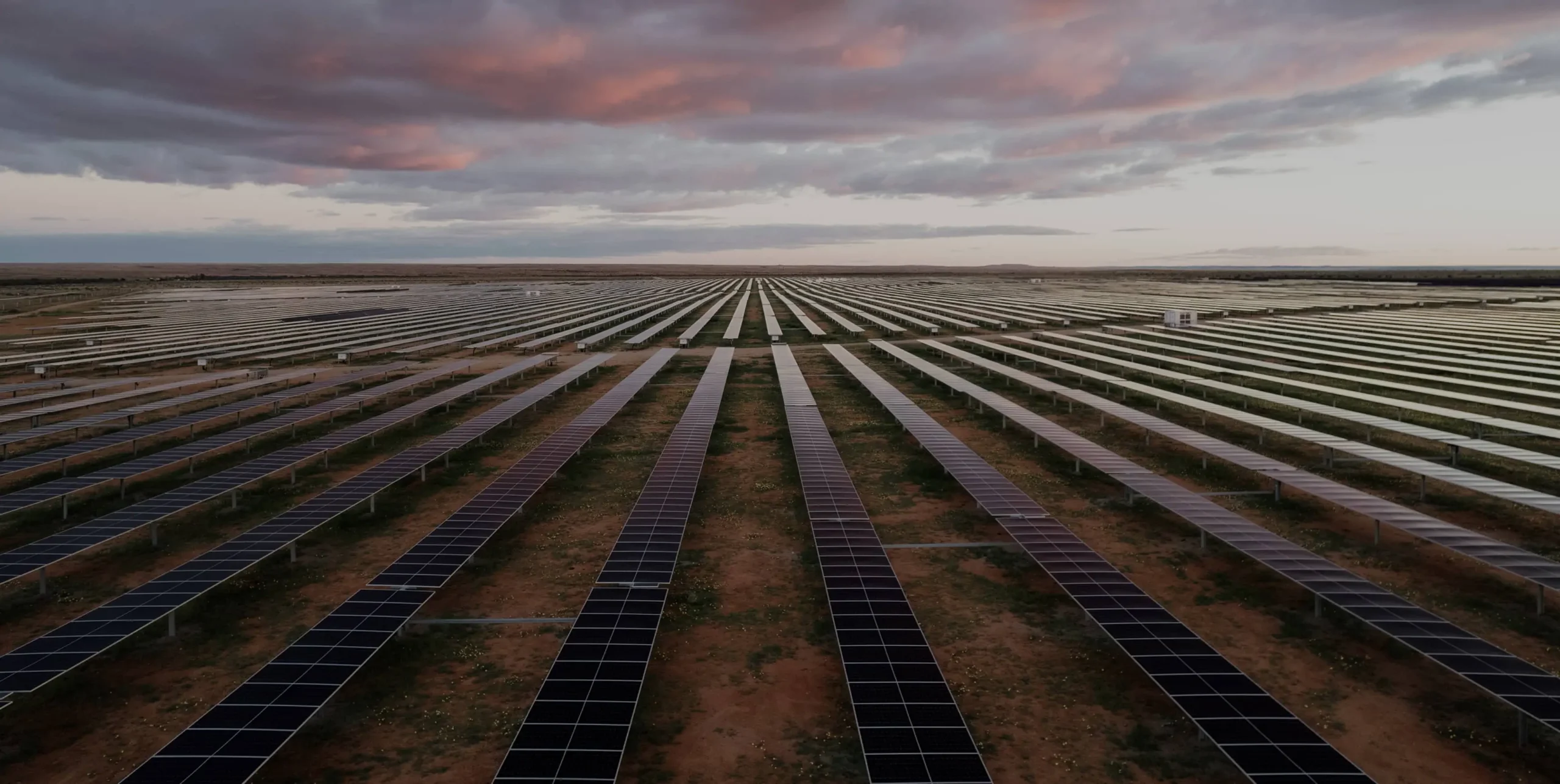
In 2022, we committed $135 million senior debt and $26 million mezzanine financing to help construct South Africa’s first major battery energy storage and photovoltaic solar project, in the Northern Cape Province town of Kenhardt. We stepped in when commercial capital was scarce, and our investment supported H1 Holdings to move the project forward.

Construction began in 2023 and our monitoring revealed a high number of women in the workforce. Women were praised for their quality of work, reliability and contributions to a positive workplace culture. More broadly, their inclusion helped increase local household incomes and shift perceptions of women’s participation in the construction industry.

Kenhardt came online in December 2023. Today, it provides stable, clean electricity for more than 16 hours a day, powering thousands of homes and businesses, thanks to its blend of solar power and battery storage. It avoids 900,000 tonnes of carbon emissions annually, and strengthens South Africa’s grid reliability. In September 2025, we successfully exited our mezzanine funding through a refinancing led by Standard Bank, enabling us to recycle capital into new investments supporting the transition to net zero.

Image of city

Our partnership with one of Africa’s largest asset managers is improving access to finance for underserved businesses


Africa’s SME financing gap stands at an estimated $331 billion, and it is still widening. Mid-sized businesses sit in a difficult position, as they are considered too large for microfinance, yet too small or too risky for most commercial lenders because they lack the collateral, credit history or scale that lenders want. Without access to long-term growth capital, their potential goes unrealised.

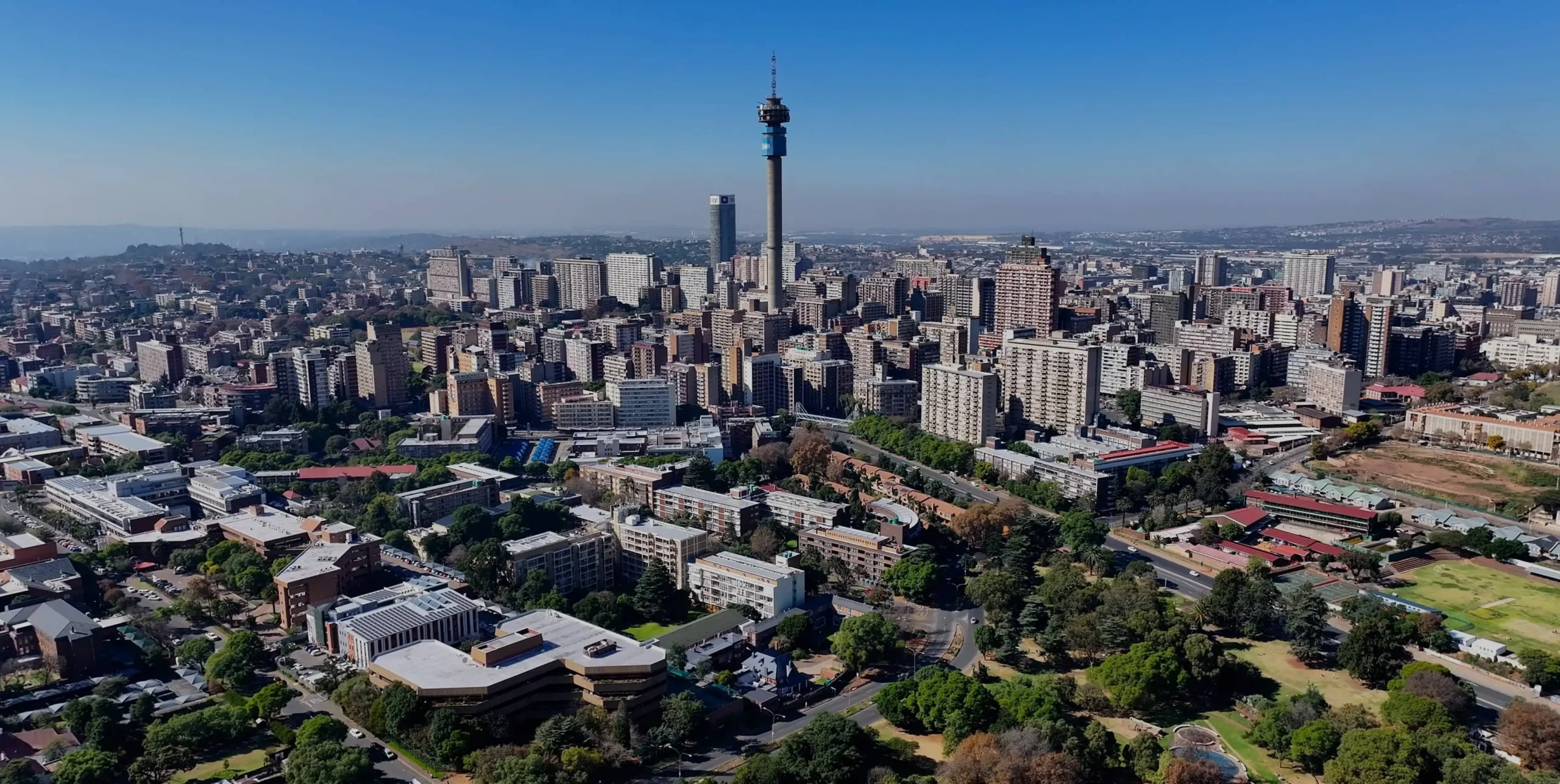
In June 2025, we formed a strategic partnership with South Africa’s Public Investment Corporation (PIC), Africa’s largest asset manager with over R3 trillion under management. Its goal is to channel domestic institutional capital into high-impact businesses across the continent, reducing dependence on foreign funding and strengthening local investment ecosystems. In November 2025, we made our first joint investment, into the Enko Impact Credit Fund, a private credit fund providing bespoke financing to mid-sized African businesses in real economy sectors, including manufacturing, renewable energy and financial services.

By pairing our own capital with PIC’s domestic institutional resources, the partnership is already demonstrating the value of our mobilisation strategy. Through strategic partnerships and structured expertise, we can help to crowd in local capital, back underserved businesses and build more resilient investment ecosystems across Africa.

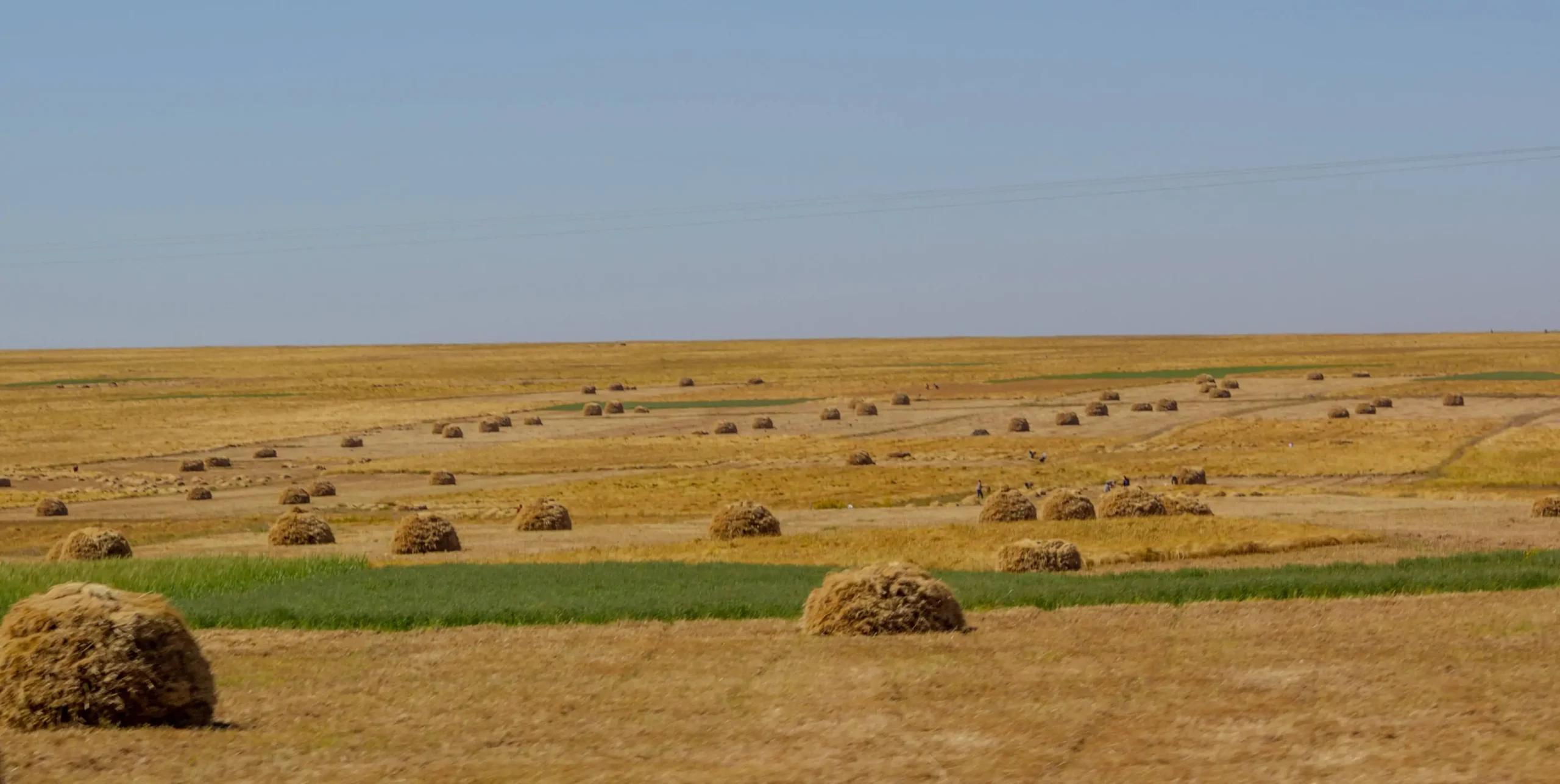
Image of field with hay bales

Our investment is helping smallholder farmers earn more from teff, while retaining export value inside the country


Agriculture is the backbone of Ethiopia’s economy, accounting for more than three quarters of employment and export revenues. Yet most of that value leaves the country as raw commodity, processed elsewhere. For the millions of smallholder farmers at the heart of this system, that means limited income and exposure to the shocks of drought, erratic rainfall and volatile markets.

Teff, a nutrient-rich indigenous grain, sits at the centre of Ethiopia’s food system. More than 6.6 million smallholder farmers cultivate it, and it remains central to rural livelihoods across the country.

In 2025, we invested £3.7 million in Lovegrass Ethiopia, an agri-processing company turning teff into value-added food products for domestic and export markets. By processing teff locally rather than exporting it raw, Lovegrass keeps more value inside Ethiopia, generating hard currency while building modern food-processing capacity.

Our investment will help expand production, create skilled jobs and deepen Lovegrass’s sourcing from smallholder farmers, with the ambition to reach thousands of rural producers as the business grows. For those farmers, a reliable, growing buyer means more stable income and a stronger foothold against the volatility that has long defined smallholder agriculture in the region.

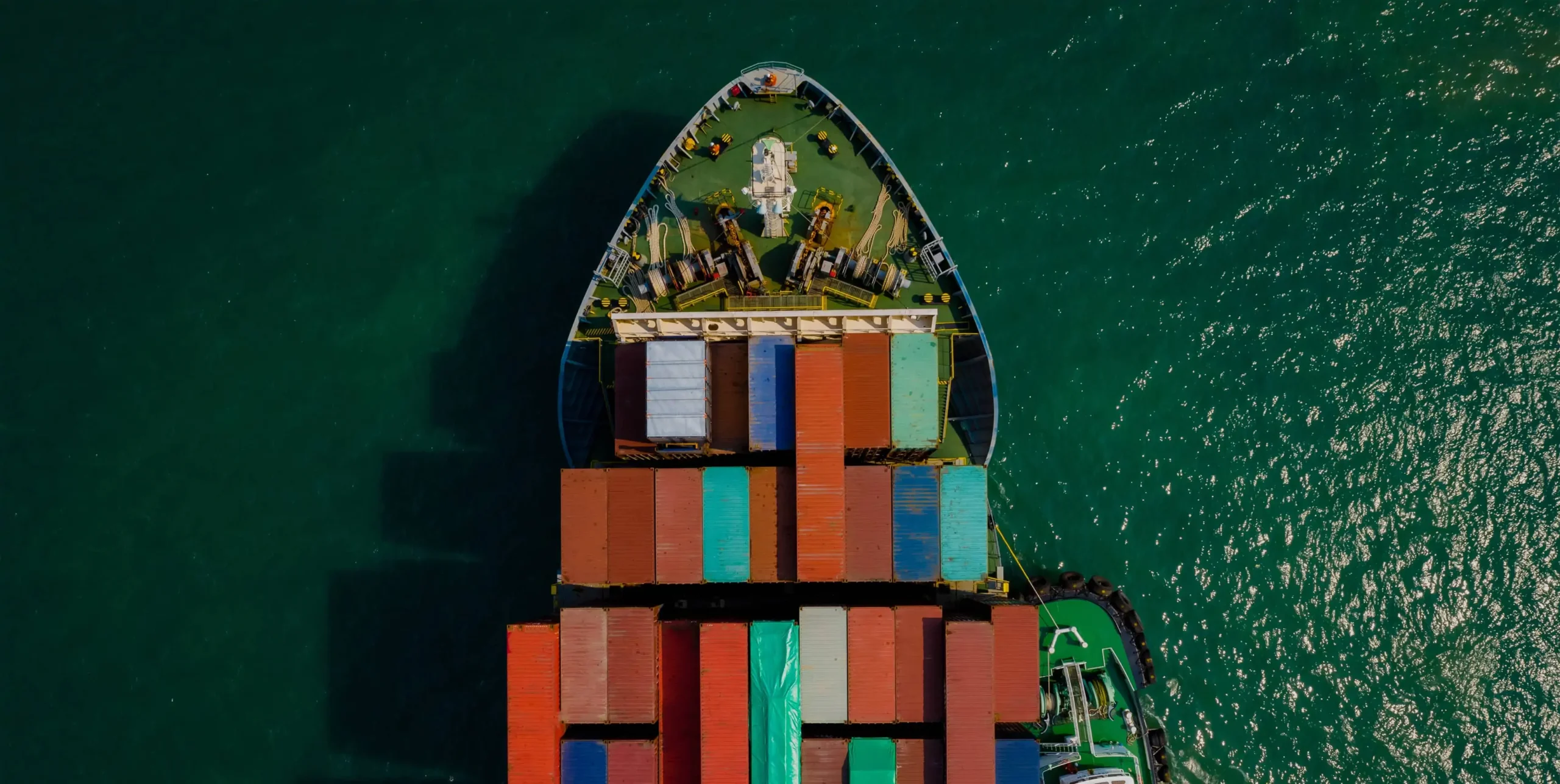
Image of boat

Our partnership with DP World accelerates Africa’s potential as a global trading powerhouse and improves the economic prospects of millions of people


In many parts of Africa, the modernisation of ports, corridors and logistics networks can help to create jobs, enable exports, attract private investment, and connect landlocked economies to global markets. Yet much of the continent’s export infrastructure remains chronically underfunded.

Berbera Port in Somaliland is a case in point. A strategic gateway on the Gulf of Aden, it is also an important alternative trade corridor for Ethiopia, which currently routes around 95 per cent of its trade through Djibouti. But it needed modernisation to become a major regional trade hub.

In early 2022, we established the BII–DP World Africa Gateway partnership to support the expansion of ports and inland logistics across Africa. This included a minority investment in Berbera Port, driven by DP World Berbera in partnership with the Government of Somaliland.

In December 2025, we published an independent evaluation of the port’s modernisation. It found that by 2024, the port and its ecosystem were supporting around 2,490 jobs and $45 million in value added to the Somaliland economy, contributing an additional 0.4 per cent of GDP that year. Container handling capacity had more than tripled, average vessel turnaround times fell from 64 hours in 2018 to around 25 hours in 2024, and Berbera’s share of regional container trade has grown from 9 per cent in 2017 to 14 per cent in 2024.