Image of plants growing in a field

Our anchor investment in the ACE fund is unlocking institutional capital for climate-focused investments across emerging markets


The scale of investment required to tackle climate change and support sustainable growth in emerging markets far exceeds the capacity of development finance institutions alone. Mobilising private capital alongside public funding is therefore critical to achieving impact at scale.

In 2025, we became an anchor investor in the Allianz Credit Emerging Markets (ACE) fund, a landmark blended finance vehicle targeting up to $1 billion in investment.

The fund brings together development finance institutions, multilateral banks and private investors within a blended structure. Concessional capital from public institutions, including our $40 million commitment, provides a first-loss tranche that reduces risk and volatility for commercial investors. This will enable up to a further $850 million in private capital to be mobilised into emerging markets.

At first close, the fund secured $690 million in commitments, including $540 million of commercial capital, demonstrating strong investor appetite for well-structured opportunities that combine financial returns with climate and development impact.

ACE will invest in private credit across sectors such as clean energy, sustainable infrastructure, agriculture and financial services, supporting Paris Agreement goals while directing capital to underserved markets across Africa, Asia and beyond.

Our commitment to the ACE fund highlights how we are using concessional capital strategically to unlock significantly larger flows of private finance and help build scalable models for investment in emerging economies.
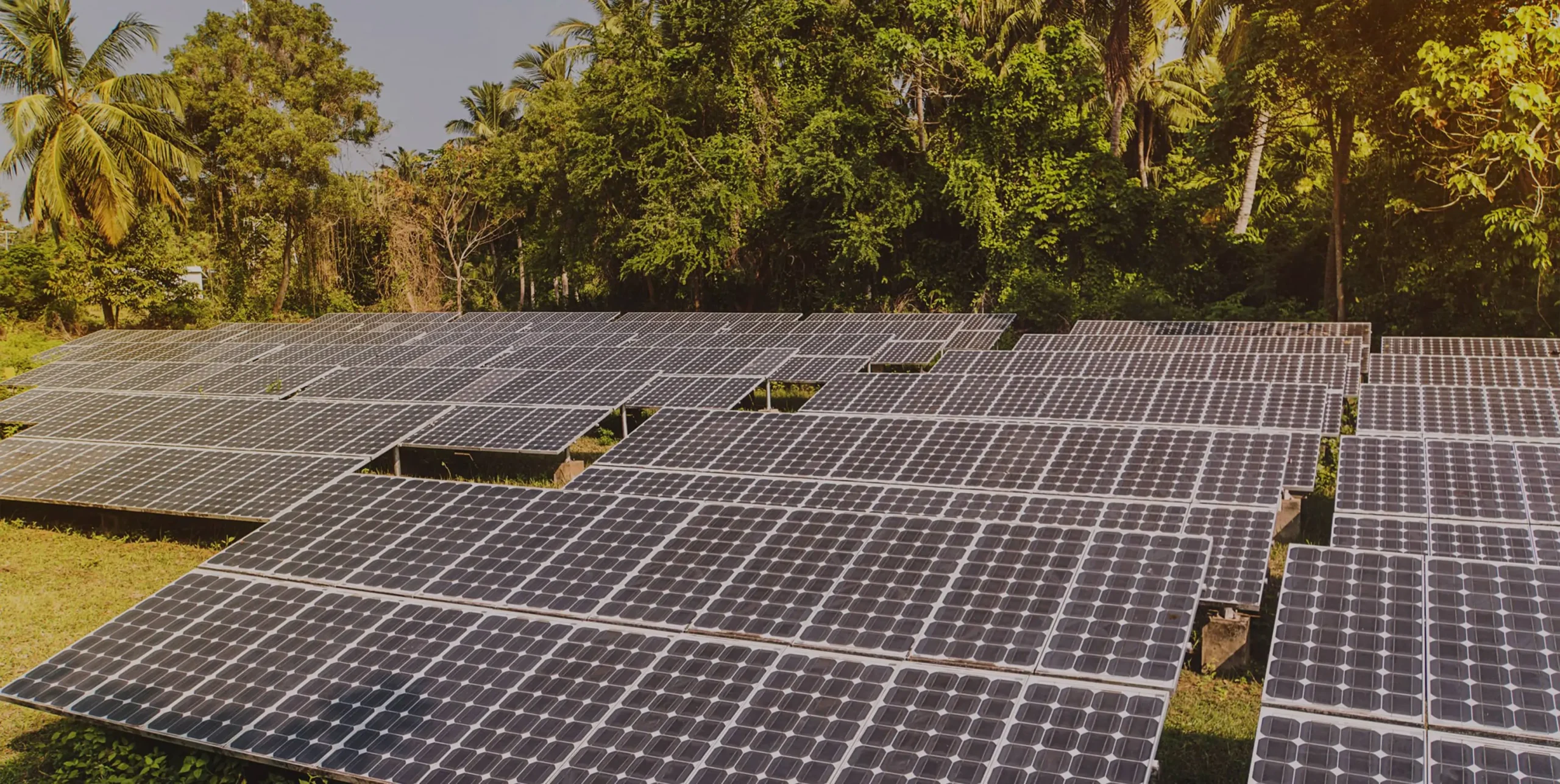
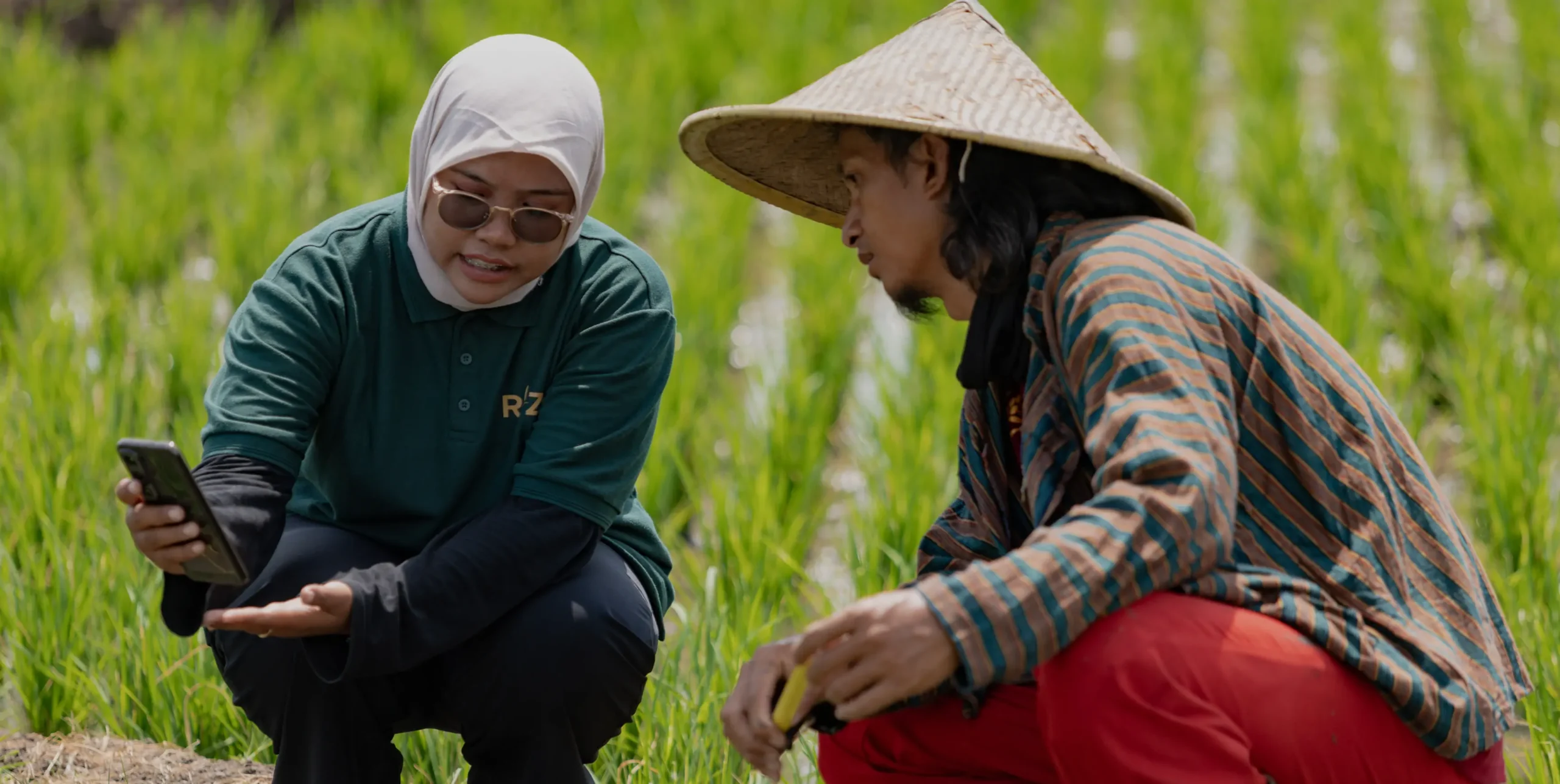
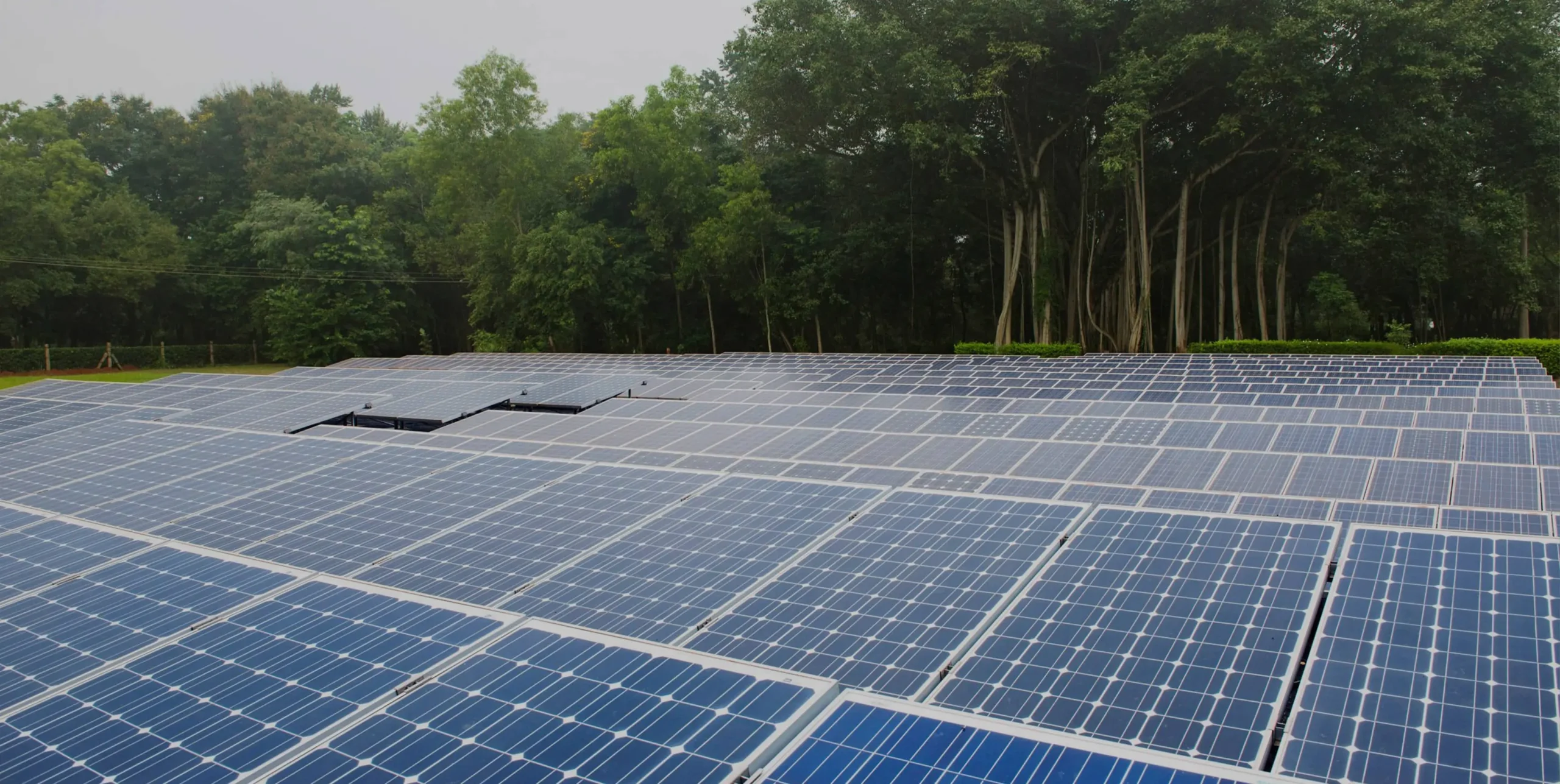
Image of solar panels

Our partnership with Pentagreen is mobilising private capital to support green infrastructure and accelerate the low-carbon transition


South-East Asia is central to the green transition. While the region is highly vulnerable to the effects of climate change, it is also home to fast-growing economies with ambitious decarbonisation goals and rising energy demand. Meeting these goals requires an estimated $210 billion of investment each year in climate-resilient infrastructure – far beyond what public finance alone can provide.

To help address this gap, we committed $60 million to the Green Investment Partnership (GIP), a blended finance vehicle managed by Pentagreen Capital. GIP sits within the Financing Asia’s Transition Partnership (FAST-P), launched by the Monetary Authority of Singapore to mobilise public, private and philanthropic capital for climate projects across the region.

The fund secured $510 million at first close, with a further $300 million raised at second close – $150 million of which came from commercial investors. Our investment helps de-risk the fund’s capital structure, making it more attractive to commercial investors and helping crowd in additional private capital.

GIP focuses on sectors critical to decarbonisation and sustainable growth, including renewable energy, battery storage, e-mobility and the circular economy. Its early investments include bioenergy and solar-plus-storage projects that are expected to significantly reduce emissions while supporting more resilient energy systems.

As one of the first investments from our mobilisation facility, this partnership demonstrates how we are working with fund managers and global partners – including HSBC and Temasek – to translate ambition into practical investment solutions. By supporting platforms like GIP, we are helping to unlock larger pools of capital and accelerate the development of scalable climate infrastructure across South-East Asia.

Image of two farmers in a field

A pioneering venture builder launching high-growth companies to tackle emission-intensive sectors across South-East Asia


Recognising the urgent need to scale climate solutions in South-East Asia, Wavemaker Impact was established as the region’s first climate tech venture builder. Backed by BII in 2023, it focuses on creating and growing early-stage companies with the potential to deliver both strong commercial outcomes and meaningful emissions reductions.

Its model centres on building ‘100×100’ businesses, each aiming to reach more than $100 million in annual revenue while abating over 100 million tonnes of greenhouse gas emissions. Rather than relying solely on backing existing start-ups, this venture-building approach supports the creation of high-impact climate companies from the ground up.

Since our investment, the platform has continued to build a portfolio of companies targeting some of the region’s most emissions-intensive sectors. One example is Rize, which is reducing emissions in rice production. Rice is the biggest contributor to agricultural emissions in Indonesia, and globally emits more greenhouse gases than aviation. Rize’s technology is helping to modernise this essential crop, helping to improve farmer livelihoods while reducing rice’s pressure on water and soil. The company is already working with over 18,000 farmers across Indonesia and Vietnam.

Now operating under the name 100×100 Ventures, the team behind Wavemaker Impact plans to scale more companies like Rize. Together, these businesses have the potential to contribute to a meaningful reduction in global emissions, while demonstrating that climate solutions can also be commercially viable.

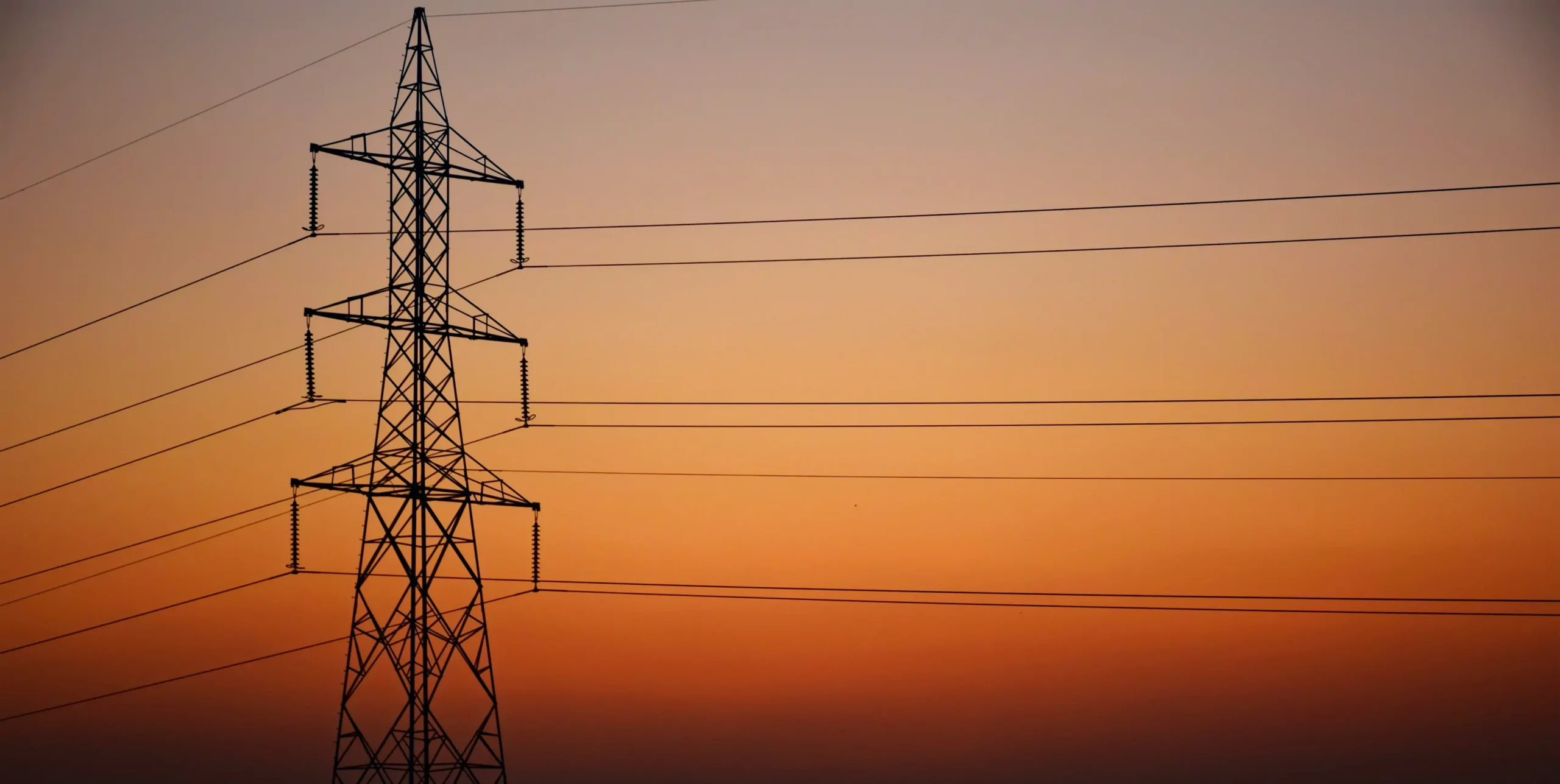
Image of power pylon at evening

Through Gridworks, we are building the infrastructure to expand reliable power across African economies


Expanding access to sustainable, affordable and reliable power remains one of Africa’s biggest challenges. Today, more than 600 million people in Africa live without access to electricity. While generation capacity is growing, weak transmission and distribution networks continue to limit access and constrain economic growth.

We launched Gridworks in 2019 to address this gap. It focuses on the often-overlooked infrastructure that connects and strengthens electricity systems. Its approach combines long-term capital with technical expertise, working in partnership with governments, development finance institutions and private institutions to develop projects that can attract wider funding.

In 2025, Gridworks-backed projects reached important milestones across several markets.

In Burundi, where just 12 per cent of the population has access to electricity, the Upper Ruvyironza hydropower plant became operational in April 2025. The 1.65MW facility was completed by Anzana Electric Group, a Gridworks portfolio company. The plant now supplies 10GWh of clean, baseload electricity to the national grid. Alongside this, Anzana raised debt funding from the Trade and Development Bank Group for both this project and the 9MW Upper Mulembwe hydropower plant, expected to start supplying power to Burundi’s grid in 2027. When both are operational, they should increase Burundi’s generation capacity by around 10 per cent and expand electricity access to more than 100,000 households.

Gridworks also progressed work on larger-scale transmission infrastructure. In Mozambique, development continued on a 460km transmission line linking central and northern regions. And in South Africa, Gridworks is part of the Pulse Infrastructure consortium selected for the prequalification phase of the country’s first Independent Transmission Programme, aimed at delivering thousands of kilometres of new transmission lines to support renewable energy expansion. More recently, Gridworks reached financial close on the Amari Power Transmission Project in Uganda, the first independent transmission project in Africa to reach this milestone. The project will upgrade the transforming capacity of four high-voltage substations at key locations on the country’s national grid.

Together, these developments show how Gridworks is helping to build stronger electricity systems – through both individual projects and platforms that attract investment, reduce risk and support long-term market development.

Image of solar panels

Our financing helped deliver multiple renewable energy projects that cut emissions while boosting business growth


India is the world’s third-largest producer and user of electricity. Its commercial and industrial sector, which includes cement, metals, pharmaceuticals and textiles, uses about half of the country’s power and plays a major role in economic growth. Cutting emissions in this sector is vital to India’s energy transition and climate targets.

In 2021, we supported Fourth Partner Energy, a leading provider of renewable power solutions for commercial and industrial clients, with financing to support the construction of 217MW of renewable energy projects in India. We made a follow-on investment in 2022, to support a further 295MW of renewable capacity across India, Sri Lanka, Bangladesh, Indonesia and Vietnam. These projects were projected to avoid nearly 326,000 tonnes of CO2 emissions annually, mostly in India. By providing mezzanine finance at a critical stage, we enabled Fourth Partner Energy to scale its open access model, attract additional institutional capital, and expand from distributed solar into larger-scale renewable projects.

Since then, Fourth Partner Energy has connected commercial and industrial businesses to cheaper, more reliable renewable power. This has not only reduced emissions, but also driven productivity gains for its clients, demonstrating that the energy transition can support, rather than constrain, economic growth. In 2025, we published an independent evaluation by Itad and Steward Redqueen, which found that Fourth Partner Energy’s customers gained about $344 million in extra value each year, as a result of switching to lower-cost renewable energy, equivalent to around 3 per cent of their total annual output. It also estimated that the switch to renewable power helped avoid about 3.23 million tonnes of carbon emissions annually.

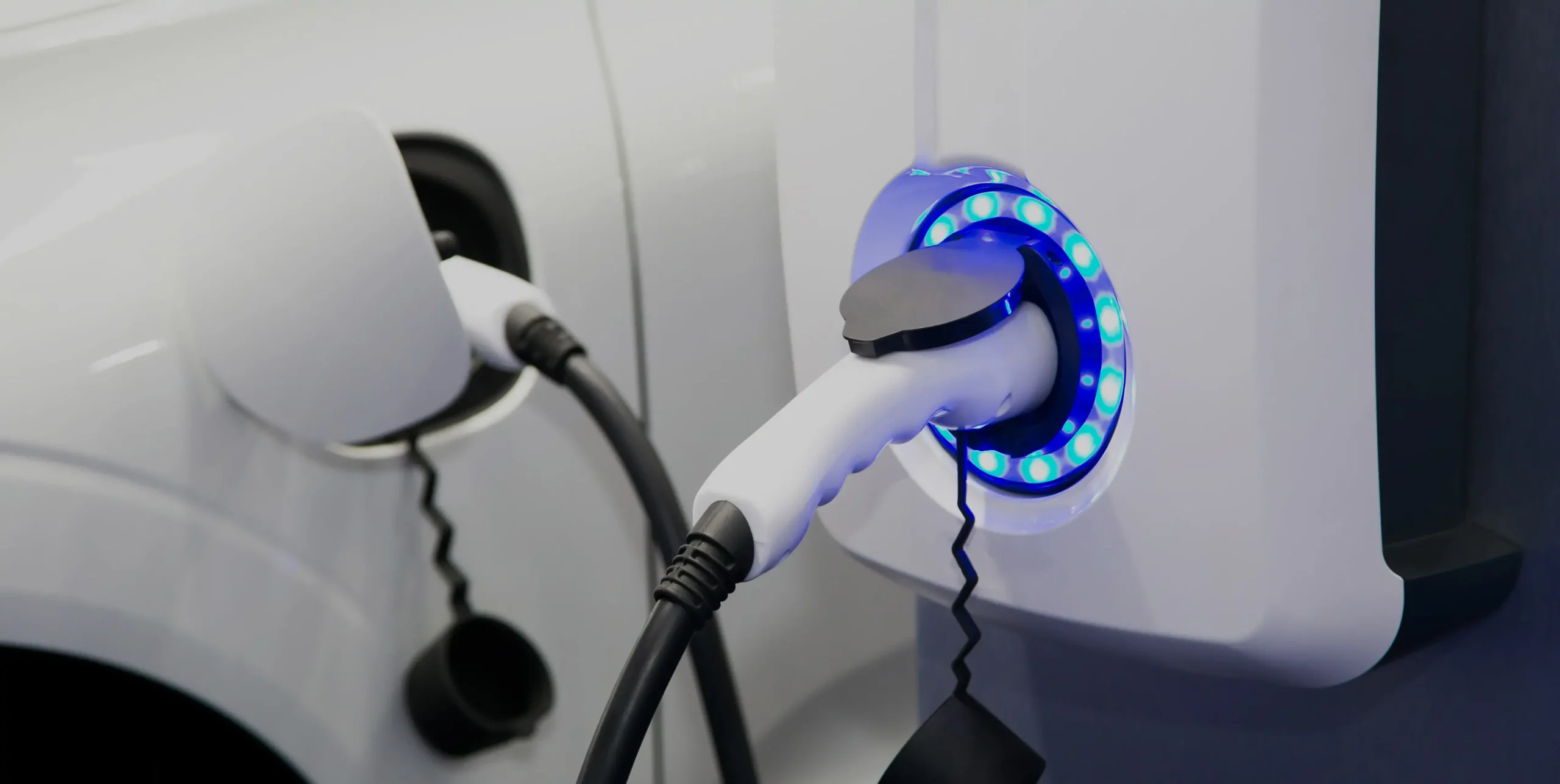
Close up image of electric car being charged

Our investment is helping expand reliable charging infrastructure, accelerating the shift to electric vehicles


The transport sector is India’s third-largest source of energy-related greenhouse gas emissions, with road transport accounting for the majority. As India works towards its target of net-zero emissions by 2070, electric vehicles (EVs) replacing conventional internal combustion engine (ICE) vehicles on India’s roads is critical. However, one of the challenges impeding widespread adoption of EVs in India is the lack of reliable, accessible charging infrastructure.

ChargeZone is one of India’s fastest-growing EV charging network operators. It develops and operates open access EV charging hubs which can be used by any type of vehicle, including buses, trucks, cars and taxi fleets. ChargeZone hubs are powered by its own tech platform which offers users real-time monitoring, app-based access and advanced safety features. The service is particularly cost-effective for businesses that lack the upfront capital needed to set up their own EV hubs.

In 2024, we invested $19 million to support ChargeZone’s expansion across key cities and major transport corridors in India. This financing will help to support the rollout of more than 1,500 super-charging stations, towards a total of 10,000 charging stations by 2027. The company is already progressing towards that goal: in 2025, ChargeZone opened India’s largest EV charging hub in Bengaluru, with capacity to charge more than 200 vehicles at once.

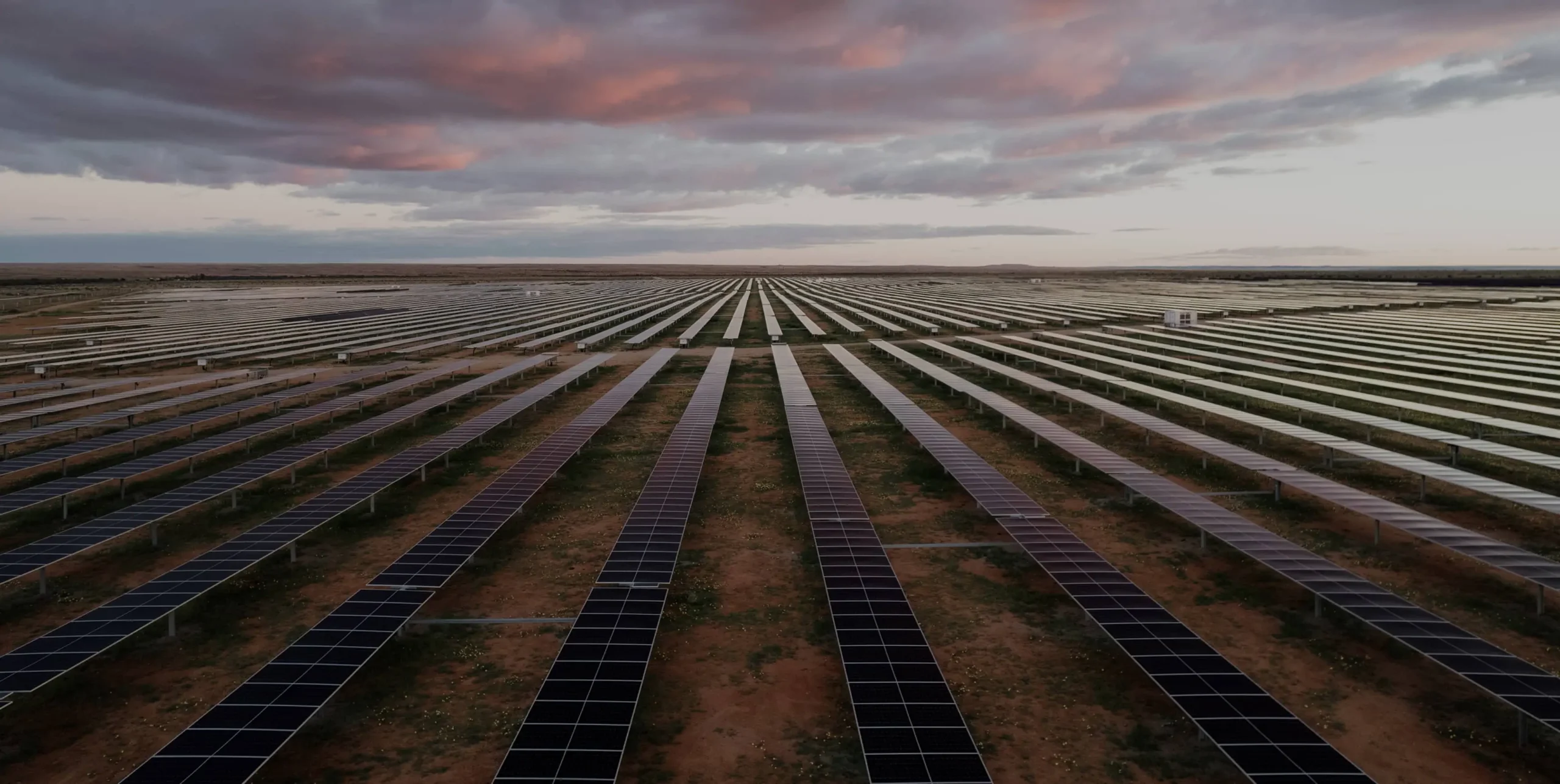
Image of solar panel in desert

Our investment helped improve economic security and support women’s employment


South Africa is the world’s 12th largest emitter of greenhouse gas emissions, and its coal-dependent power sector has faced significant challenges. Frequent planned power outages, known as load shedding, routinely disrupt daily life and reduce productivity for businesses.

In 2022, we committed $135 million senior debt and $26 million mezzanine financing to help construct South Africa’s first major battery energy storage and photovoltaic solar project, in the Northern Cape Province town of Kenhardt. We stepped in when commercial capital was scarce, and our investment supported H1 Holdings to move the project forward.

Construction began in 2023 and our monitoring revealed a high number of women in the workforce. Women were praised for their quality of work, reliability and contributions to a positive workplace culture. More broadly, their inclusion helped increase local household incomes and shift perceptions of women’s participation in the construction industry.

Kenhardt came online in December 2023. Today, it provides stable, clean electricity for more than 16 hours a day, powering thousands of homes and businesses, thanks to its blend of solar power and battery storage. It avoids 900,000 tonnes of carbon emissions annually, and strengthens South Africa’s grid reliability. In September 2025, we successfully exited our mezzanine funding through a refinancing led by Standard Bank, enabling us to recycle capital into new investments supporting the transition to net zero.

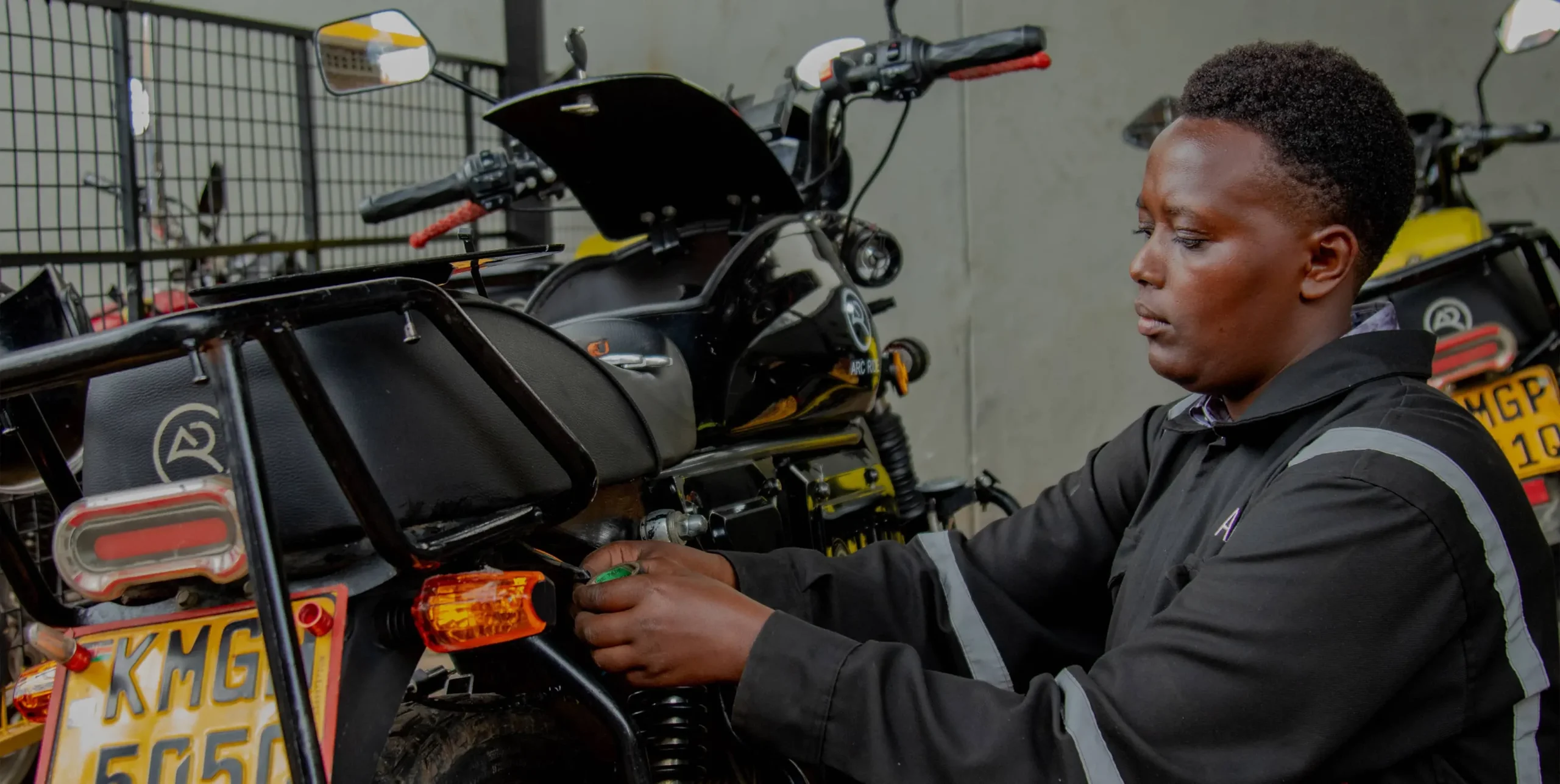
Image of someone fixing motorbike

Our investment is making electric transport affordable for boda boda riders, while also lowering emissions


In Kenya, motorcycle taxis, known as boda bodas, are far more than a mode of transport. They connect communities, create livelihoods and reach places that buses and cars simply cannot. But the country’s reliance on petrol motorbikes comes at a cost: Kenya’s transport sector accounts for 13 per cent of national greenhouse gas emissions.

In 2025, we invested £3.8 million in ARC Ride, a Nairobi-based electric mobility company. ARC Ride designs and assembles electric two-wheelers, backed by a battery swapping network and a Battery-as-a-Service model that makes clean transport practical and affordable at scale. The company is also committed to building a more inclusive workforce. Women make up 40 per cent of ARC Ride’s workforce, thanks to proactive efforts to support female talent, including in technical engineering roles.

Our investment is supporting the rollout of 5,000 electric boda bodas and expanding ARC Ride’s battery swapping infrastructure across Africa. ARC Ride currently has 15 hubs in Nairobi and 250 battery swapping stations that are enabling about 10,000 swaps a day. For riders, switching to electric means lower running costs and more reliable income. For Kenya, it means measurable progress on emissions: ARC Ride’s EV rollout is expected to avoid more than 100,000 metric tonnes of emissions per year.

Most commercial lenders are not yet ready to back early-stage businesses like ARC Ride. We’re helping to bridge that gap, while also helping to create real economic opportunities for some of Kenya’s most informal yet essential workers.

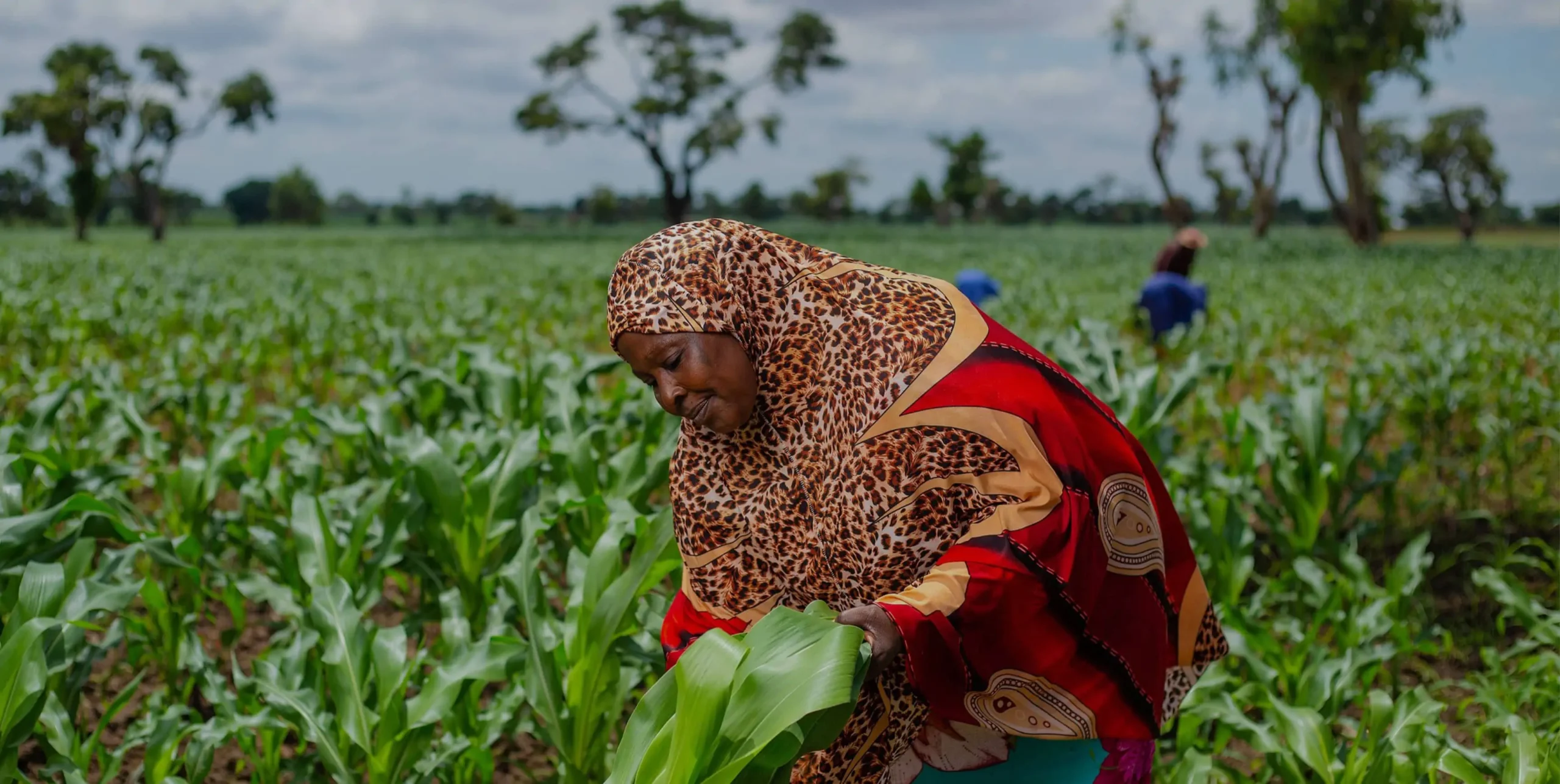
Image of woman in field

Our investment is improving food security while improving the livelihoods of smallholder farmers


Maize is an important staple in Nigeria, delivering essential calories and nutrients for millions. Northern Nigeria produces 50–60 per cent of the country’s maize, but smallholder farmers struggle to grow their business and increase their income. Limited access to finance, farming advice, good-quality seeds and fertiliser constrain productivity, while climate risks such as floods and drought also place pressure on crop yields and make income unpredictable. Together, these challenges can lead to post-harvest losses of up to 30 per cent, increasing food insecurity across the region.

In 2025, we invested £5.6 million in Nigerian agri-tech platform Babban Gona, to boost food security and climate resilience for smallholder farmers in Northern Nigeria. Babban Gona, which means ‘Great Farm’ in the Hausa language, offers smallholder famers end-to-end services via its AI-powered platform, including seeds and fertilisers, access to credit, training in climate-smart farming and help with harvesting, storing and selling crops.

Alongside improving food security and incomes, building climate resilience for smallholders is a critical part of Babban Gona’s business model. Babban Gona’s climate-smart support includes drought-resistant seeds and insurance that protects farmers when crops are damaged by events such as floods or droughts. Supported by our investment, Babban Gona expects to improve yields, incomes and climate resilience for around 140,000 smallholder farmers in Northern Nigeria by 2029.

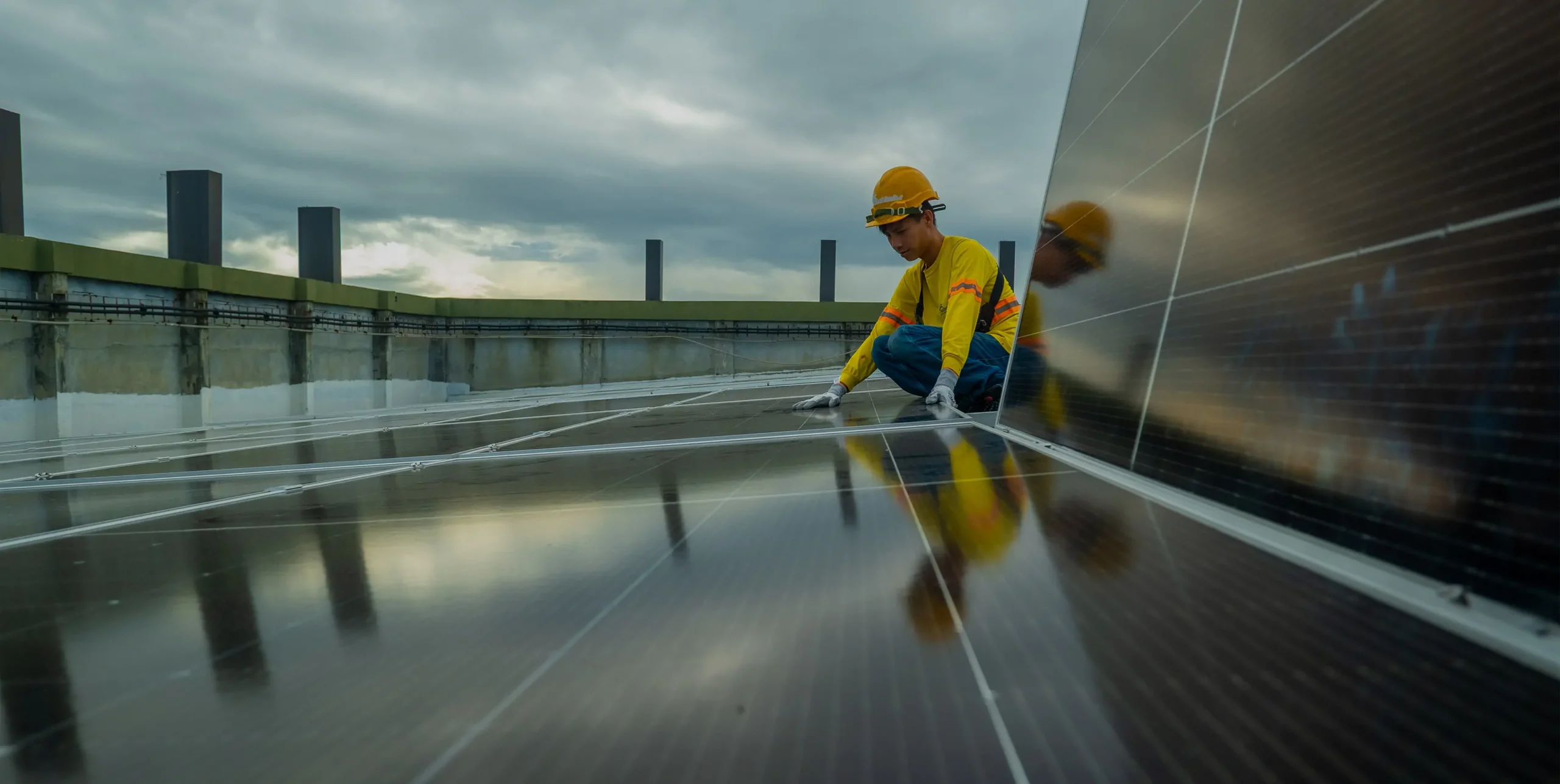
Image of man on solar panel

Our investment is helping commercial and industrial businesses switch to clean, low-cost power through scalable solar solutions


South-East Asia is home to fast-growing economies that have historically relied heavily on coal and gas, particularly across commercial and industrial sectors. At the same time, the region is highly vulnerable to the impacts of climate change. This combination has increased the urgency of using renewable energy to help meet ambitious decarbonisation targets. While governments have introduced supportive policies to accelerate the transition from fossil fuels to renewables, adoption across commercial and industrial sectors requires significant private investment.

In 2024, we made a joint investment alongside Idemitsu Kosan, one of Japan’s leading energy companies, in Skye Renewables (Skye). Skye builds and operates on-site solar power systems for commercial and industrial customers, enabling businesses to transition to clean energy without upfront capital costs. Clients sign long-term power purchase agreements that provide them with lower-cost clean energy while reducing their emissions.

Our investment is supporting Skye’s target of building more than 300MW of greenfield solar power capacity for commercial and industrial customers in countries including the Philippines, Vietnam, Singapore and Malaysia. Its growing client list includes Honda, Decathlon, and mall and supermarket operator LLC. As Skye grows, its solar projects are expected to help avoid 270,000 tonnes of CO2e annually, equivalent to the emissions generated by 47,000 homes in a year.