Image of trackers in a field

Our partnership with Zambeef is supporting smallholder farmers, creating jobs and improving access to affordable food through a growing retail network


With around half of Africa’s workforce employed in agriculture, businesses such as Zambeef play a critical role in supporting jobs and strengthening food systems. The company operates across the full value chain, from farming and processing to distribution and retail, producing a wide range of food products including meat, dairy, eggs, stockfeed and flour.

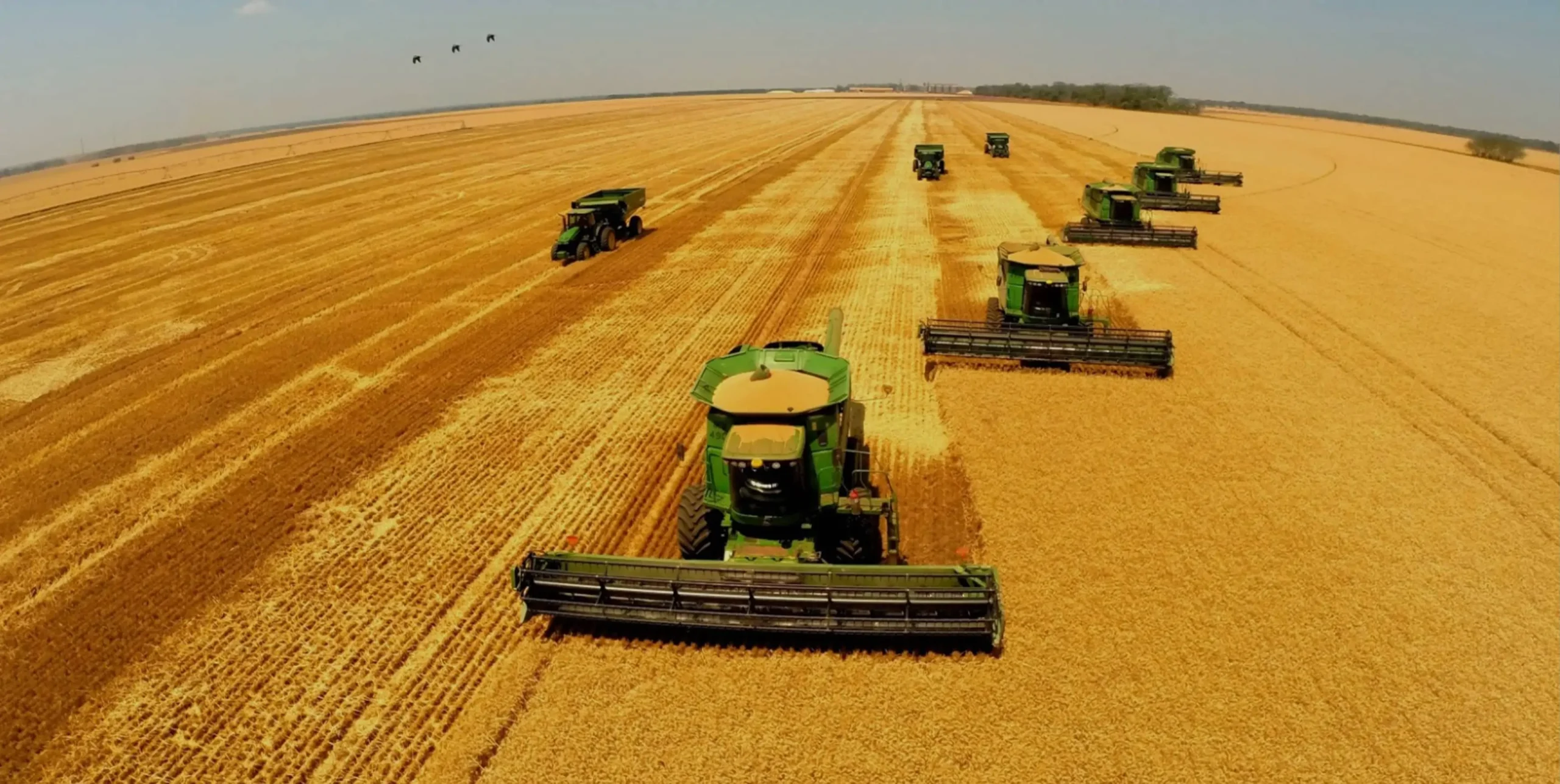
Zambeef sources a significant proportion of its inputs locally, including its cattle and grain, providing a reliable market for more than 100,000 small-scale farmers and agents. Alongside this, it supports farmers by offering services such as advice on improving yields, livestock care, and access to pricing information, helping to strengthen productivity across the wider agricultural ecosystem.

Zambeef used our original 2016 investment to strengthen its balance sheet and expand its operations and distribution network. As a result, the company has doubled wheat production and operates the largest stockfeed, poultry, dairy and farming operation in the country. Zambeef employs over 7,000 people directly and operates nearly 250 retail outlets across all ten Zambian provinces, thereby making affordable and quality animal protein widely available to consumers through a modern retail network, including in areas underserved by other formal retail providers.
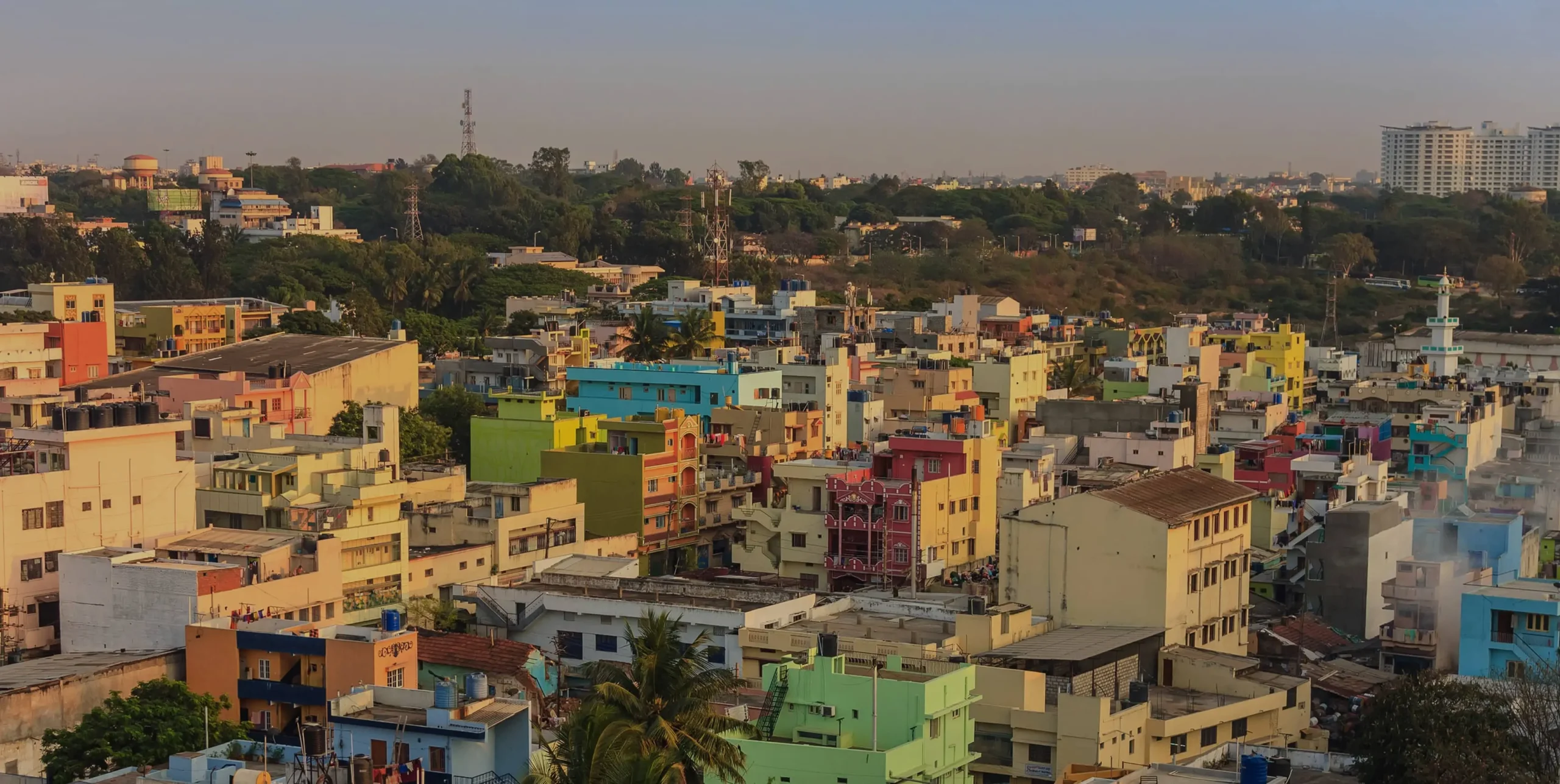
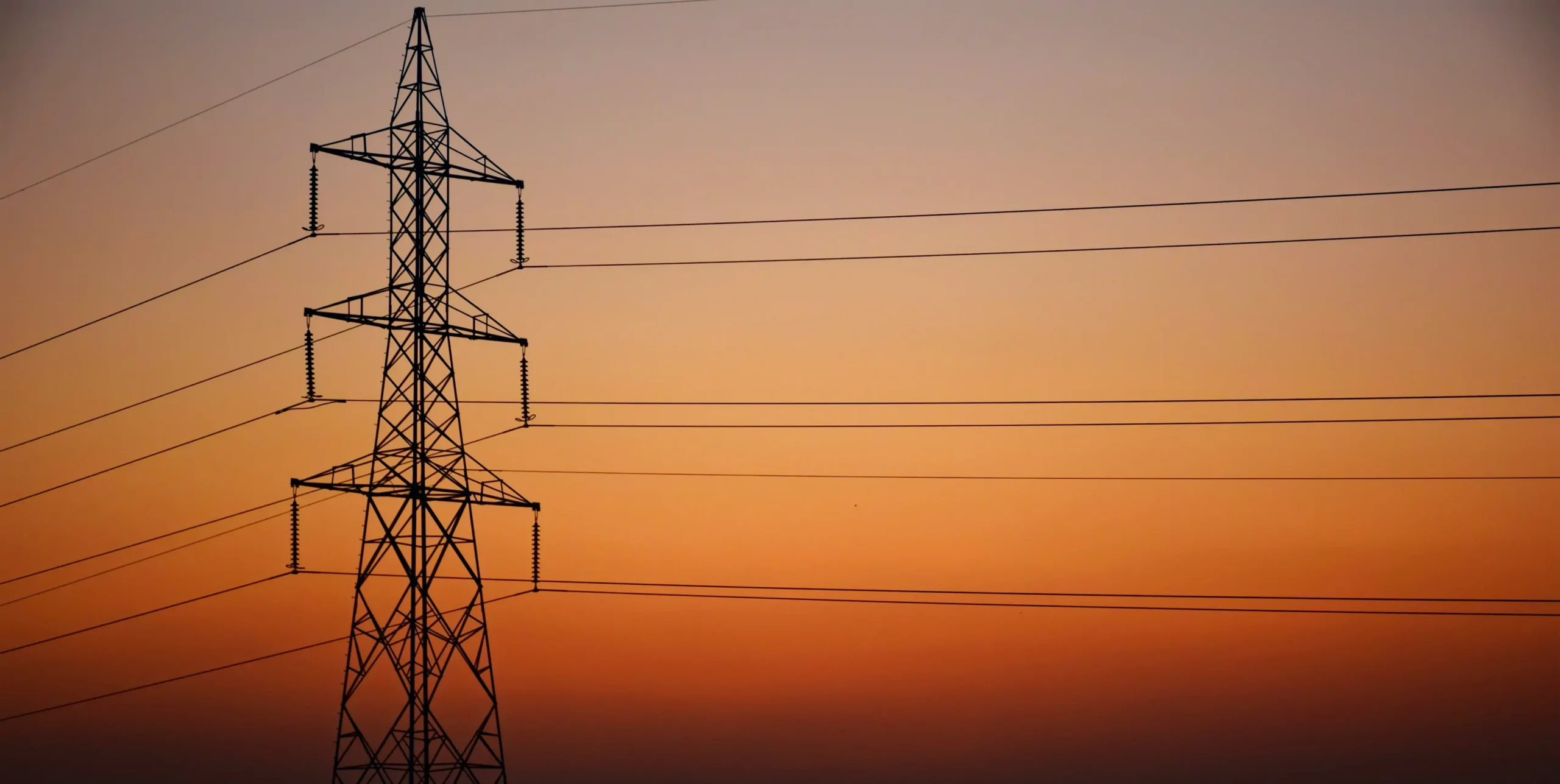
Image of housing roofs

Our investment empowers more people to access credit so they can buy a home


India faces a significant affordable housing shortfall, with an estimated 22 to 30 million affordable homes needed by 2030. Lack of access to credit is a major barrier to home ownership. Many people working in the informal jobs market or in self-employed roles, particularly women, are unable to prove their income through payslips or tax returns. This leaves them unable to access credit and locked into insecure or overcrowded housing.

Shubham Housing Development Finance Company (Shubham) is bridging this lending gap by making home loans available to underserved borrowers. Instead of relying on formal documentation such as payslips, Shubham’s customised scoring model uses data collection, predictive analytics and machine learning to build a picture of each applicant. Roughly 80 per cent of Shubham’s customers are women co-borrowers, while 13 per cent are sole women borrowers.

We first invested $37 million in Shubham in June 2022, followed by a further $10 million in December 2024. Since then, the business has scaled rapidly: its customer base has increased from 33,000 to 80,000 active borrowers. Following a recent partial share sale, we remain a significant minority shareholder, and continue to support Shubham as it expands access to affordable housing finance across India.

Image of power pylon at evening

Through Gridworks, we are building the infrastructure to expand reliable power across African economies


Expanding access to sustainable, affordable and reliable power remains one of Africa’s biggest challenges. Today, more than 600 million people in Africa live without access to electricity. While generation capacity is growing, weak transmission and distribution networks continue to limit access and constrain economic growth.

We launched Gridworks in 2019 to address this gap. It focuses on the often-overlooked infrastructure that connects and strengthens electricity systems. Its approach combines long-term capital with technical expertise, working in partnership with governments, development finance institutions and private institutions to develop projects that can attract wider funding.

In 2025, Gridworks-backed projects reached important milestones across several markets.

In Burundi, where just 12 per cent of the population has access to electricity, the Upper Ruvyironza hydropower plant became operational in April 2025. The 1.65MW facility was completed by Anzana Electric Group, a Gridworks portfolio company. The plant now supplies 10GWh of clean, baseload electricity to the national grid. Alongside this, Anzana raised debt funding from the Trade and Development Bank Group for both this project and the 9MW Upper Mulembwe hydropower plant, expected to start supplying power to Burundi’s grid in 2027. When both are operational, they should increase Burundi’s generation capacity by around 10 per cent and expand electricity access to more than 100,000 households.

Gridworks also progressed work on larger-scale transmission infrastructure. In Mozambique, development continued on a 460km transmission line linking central and northern regions. And in South Africa, Gridworks is part of the Pulse Infrastructure consortium selected for the prequalification phase of the country’s first Independent Transmission Programme, aimed at delivering thousands of kilometres of new transmission lines to support renewable energy expansion. More recently, Gridworks reached financial close on the Amari Power Transmission Project in Uganda, the first independent transmission project in Africa to reach this milestone. The project will upgrade the transforming capacity of four high-voltage substations at key locations on the country’s national grid.

Together, these developments show how Gridworks is helping to build stronger electricity systems – through both individual projects and platforms that attract investment, reduce risk and support long-term market development.

Image of two people with mobile phones

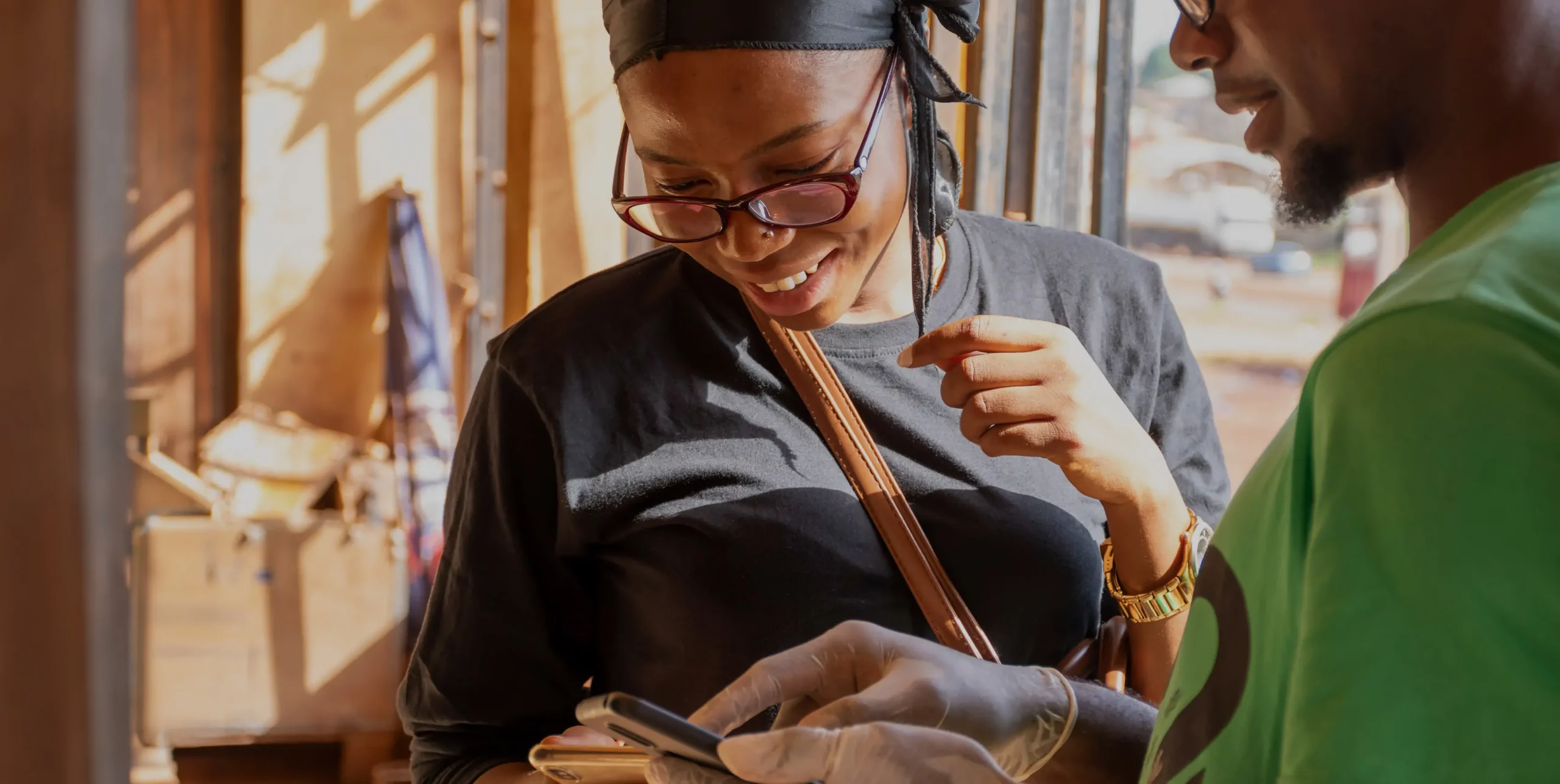
Our investment helps low-income populations – often excluded from traditional banking – to access digital financial services


Using payment technology to help make financial services accessible, and affordable, is considered crucial for fostering Africa’s inclusive economic growth, particularly in frontier markets, such as Mali, Burkina Faso and Niger. One proven model is the introduction of ‘mobile money’ – applications that let people send, receive and store money through their mobile device. Mobile money services most help underserved, low-income customers who struggle to access a traditional bank account but need a convenient and efficient way to make cash transfers and pay bills.

In June 2025, we committed £23.8 million to Wave Mobile Money (‘Wave’), Africa’s fastest-growing mobile money platform. Wave’s ambition is to make affordable, user-centric financial services accessible to everyone. Wave is operating across eight markets, mostly across West Africa.

Crucially, Wave offers the region’s only platform that works across different mobile networks and providers. It has 20 million monthly active users through a network of 150,000 agents and more than 3,000 employees. The company’s mobile-first model, built on low fees, user-friendly design and around-the-clock customer support, has transformed the financial experience for users who have historically been excluded from formal banking operations. Our investment will help Wave to continue its growth in both existing and new markets, expanding access to mobile money and payment services to underserved communities.

Image of two women in discussion

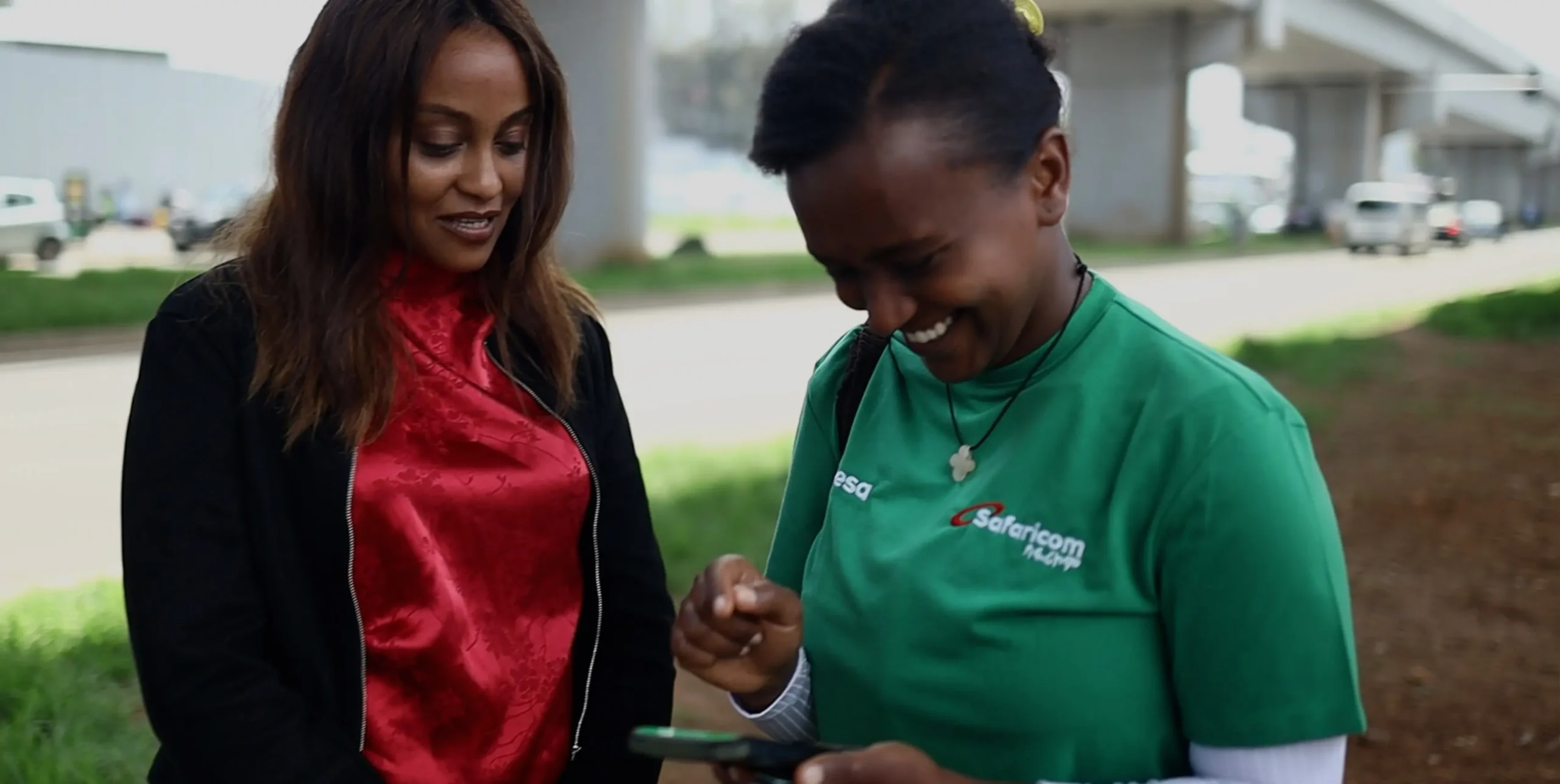
Our investment in Safaricom has opened up access to faster, more affordable connectivity for millions of people


Ethiopia is home to more than 112 million people, yet until recently its telecoms industry was managed by a single state-owned operator and access to affordable, high-quality connectivity was limited.

In 2021, the Ethiopian Government began opening the telecoms sector to competition. Safaricom Ethiopia, which was founded with investment from a consortium that included BII, was awarded the country’s first mobile network licence.

Since then, Safaricom Ethiopia has rapidly scaled its operations, building over 3,500 network towers and connecting around 13 million people to digital services. Its entry into the market has helped drive wider change: competition has reduced mobile data prices, improved network quality and accelerated the rollout of 4G coverage across the country.

These market-wide effects go beyond the direct impact of a single investment. Safaricom Ethiopia has encouraged further investment and reform across the sector – expanding access to fairer prices and better services for millions of people across Ethiopia.

Image of solar panel in desert

Our investment helped improve economic security and support women’s employment


South Africa is the world’s 12th largest emitter of greenhouse gas emissions, and its coal-dependent power sector has faced significant challenges. Frequent planned power outages, known as load shedding, routinely disrupt daily life and reduce productivity for businesses.

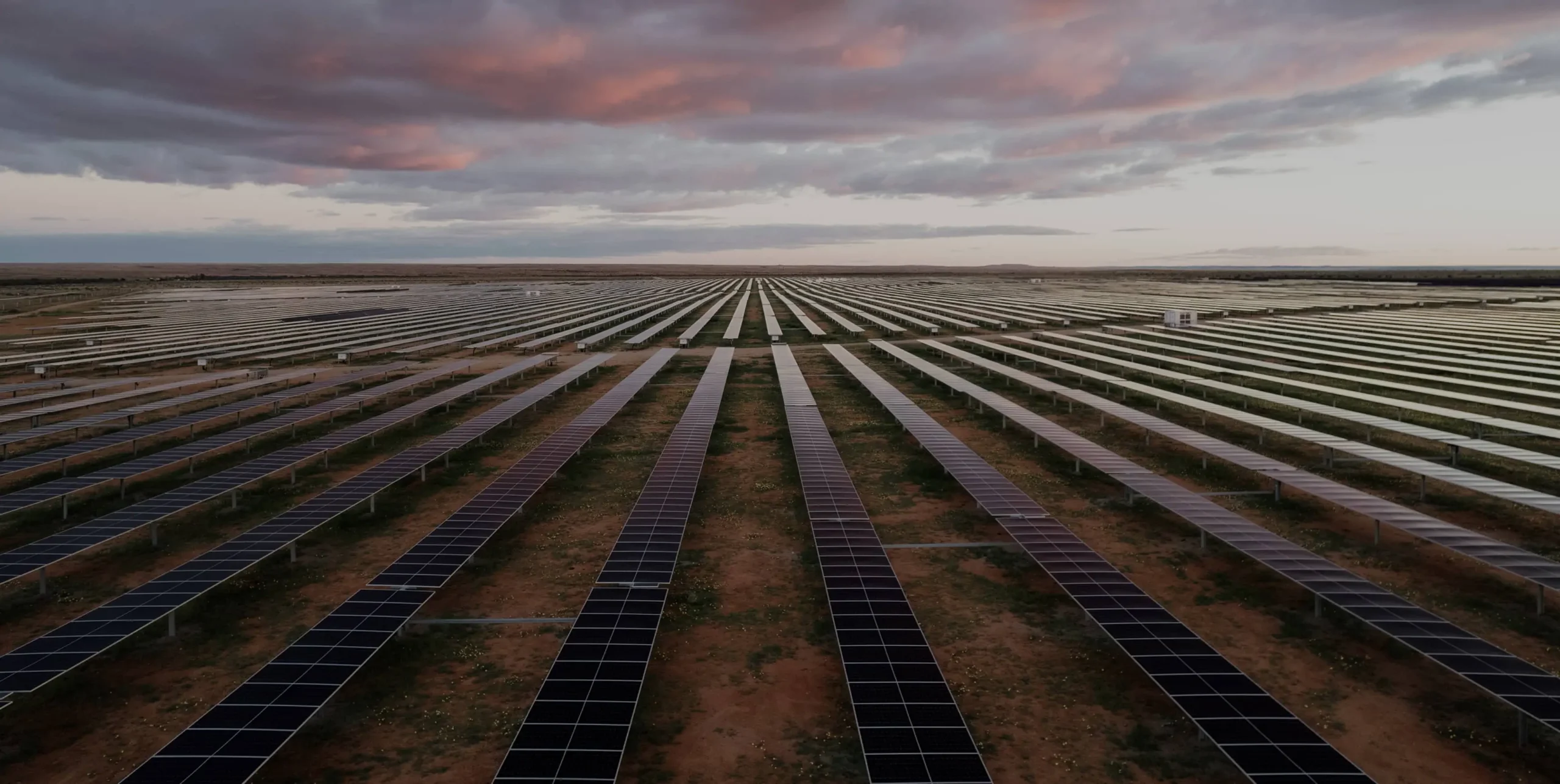
In 2022, we committed $135 million senior debt and $26 million mezzanine financing to help construct South Africa’s first major battery energy storage and photovoltaic solar project, in the Northern Cape Province town of Kenhardt. We stepped in when commercial capital was scarce, and our investment supported H1 Holdings to move the project forward.

Construction began in 2023 and our monitoring revealed a high number of women in the workforce. Women were praised for their quality of work, reliability and contributions to a positive workplace culture. More broadly, their inclusion helped increase local household incomes and shift perceptions of women’s participation in the construction industry.

Kenhardt came online in December 2023. Today, it provides stable, clean electricity for more than 16 hours a day, powering thousands of homes and businesses, thanks to its blend of solar power and battery storage. It avoids 900,000 tonnes of carbon emissions annually, and strengthens South Africa’s grid reliability. In September 2025, we successfully exited our mezzanine funding through a refinancing led by Standard Bank, enabling us to recycle capital into new investments supporting the transition to net zero.

Image of someone fixing motorbike

Our investment is making electric transport affordable for boda boda riders, while also lowering emissions


In Kenya, motorcycle taxis, known as boda bodas, are far more than a mode of transport. They connect communities, create livelihoods and reach places that buses and cars simply cannot. But the country’s reliance on petrol motorbikes comes at a cost: Kenya’s transport sector accounts for 13 per cent of national greenhouse gas emissions.

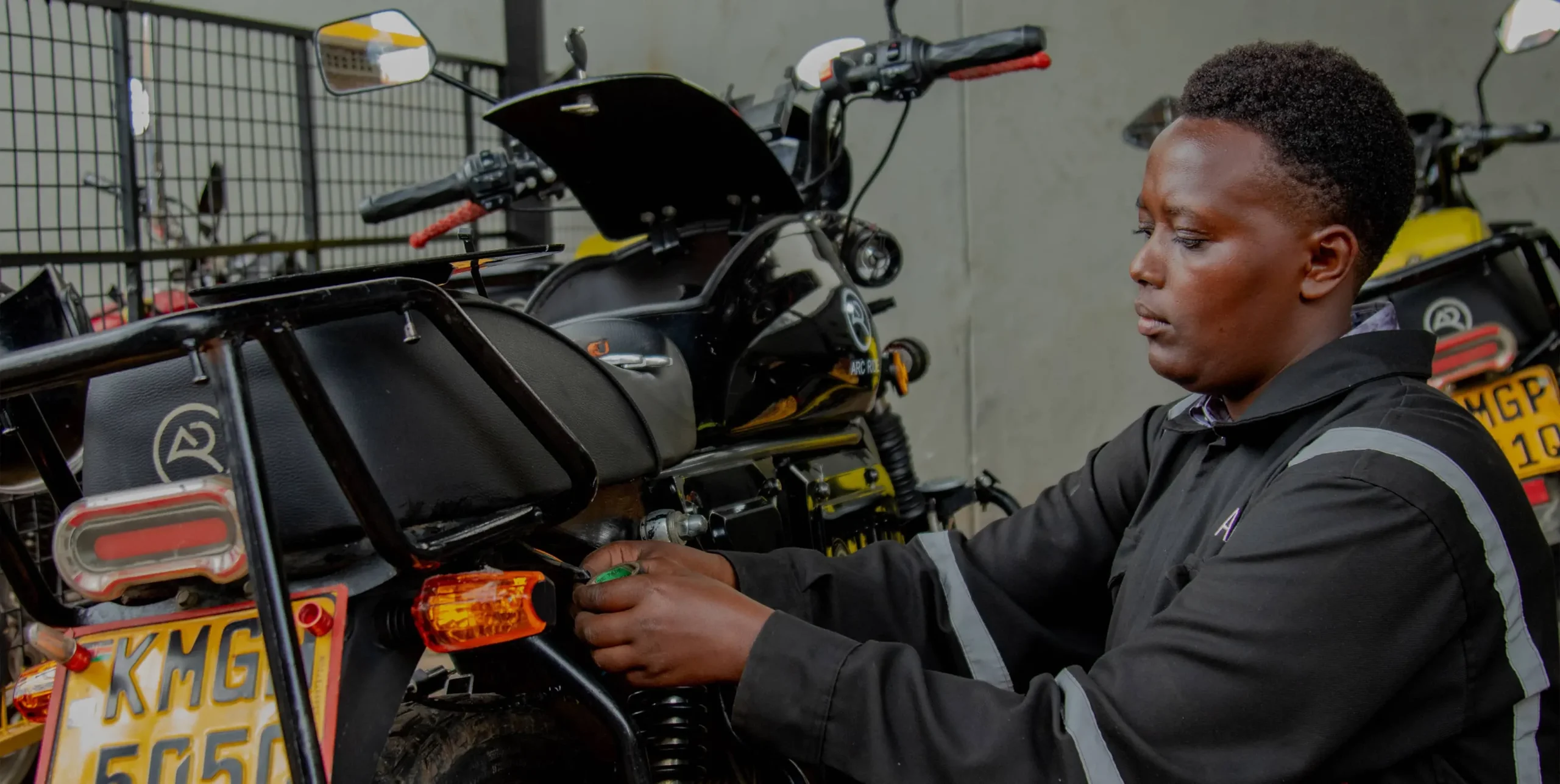
In 2025, we invested £3.8 million in ARC Ride, a Nairobi-based electric mobility company. ARC Ride designs and assembles electric two-wheelers, backed by a battery swapping network and a Battery-as-a-Service model that makes clean transport practical and affordable at scale. The company is also committed to building a more inclusive workforce. Women make up 40 per cent of ARC Ride’s workforce, thanks to proactive efforts to support female talent, including in technical engineering roles.

Our investment is supporting the rollout of 5,000 electric boda bodas and expanding ARC Ride’s battery swapping infrastructure across Africa. ARC Ride currently has 15 hubs in Nairobi and 250 battery swapping stations that are enabling about 10,000 swaps a day. For riders, switching to electric means lower running costs and more reliable income. For Kenya, it means measurable progress on emissions: ARC Ride’s EV rollout is expected to avoid more than 100,000 metric tonnes of emissions per year.

Most commercial lenders are not yet ready to back early-stage businesses like ARC Ride. We’re helping to bridge that gap, while also helping to create real economic opportunities for some of Kenya’s most informal yet essential workers.

Image of woman in field

Our investment is improving food security while improving the livelihoods of smallholder farmers


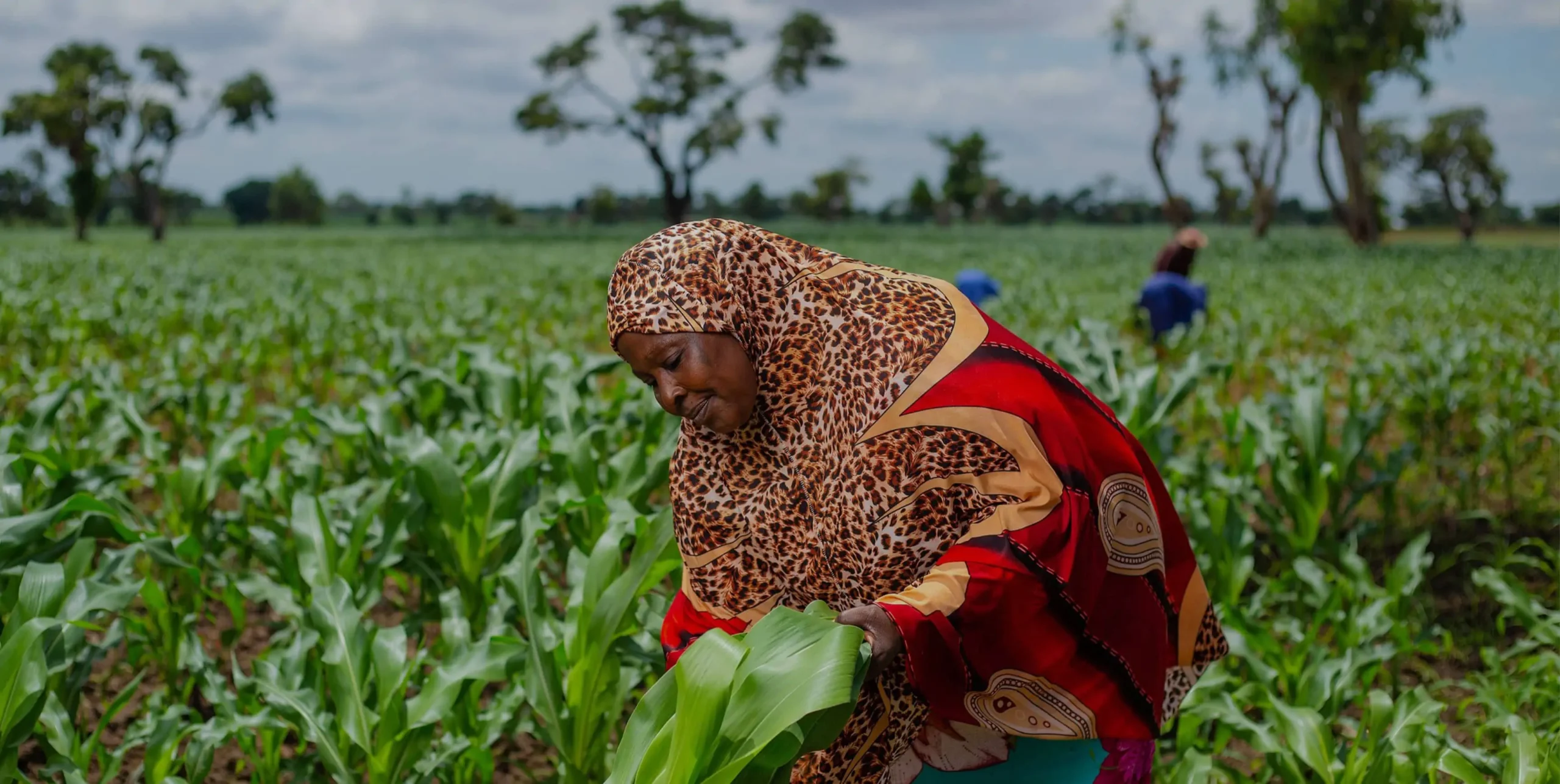
Maize is an important staple in Nigeria, delivering essential calories and nutrients for millions. Northern Nigeria produces 50–60 per cent of the country’s maize, but smallholder farmers struggle to grow their business and increase their income. Limited access to finance, farming advice, good-quality seeds and fertiliser constrain productivity, while climate risks such as floods and drought also place pressure on crop yields and make income unpredictable. Together, these challenges can lead to post-harvest losses of up to 30 per cent, increasing food insecurity across the region.

In 2025, we invested £5.6 million in Nigerian agri-tech platform Babban Gona, to boost food security and climate resilience for smallholder farmers in Northern Nigeria. Babban Gona, which means ‘Great Farm’ in the Hausa language, offers smallholder famers end-to-end services via its AI-powered platform, including seeds and fertilisers, access to credit, training in climate-smart farming and help with harvesting, storing and selling crops.

Alongside improving food security and incomes, building climate resilience for smallholders is a critical part of Babban Gona’s business model. Babban Gona’s climate-smart support includes drought-resistant seeds and insurance that protects farmers when crops are damaged by events such as floods or droughts. Supported by our investment, Babban Gona expects to improve yields, incomes and climate resilience for around 140,000 smallholder farmers in Northern Nigeria by 2029.

Image of road

Our investment is helping off-grid solar companies reach 34 million people in sub-Saharan Africa


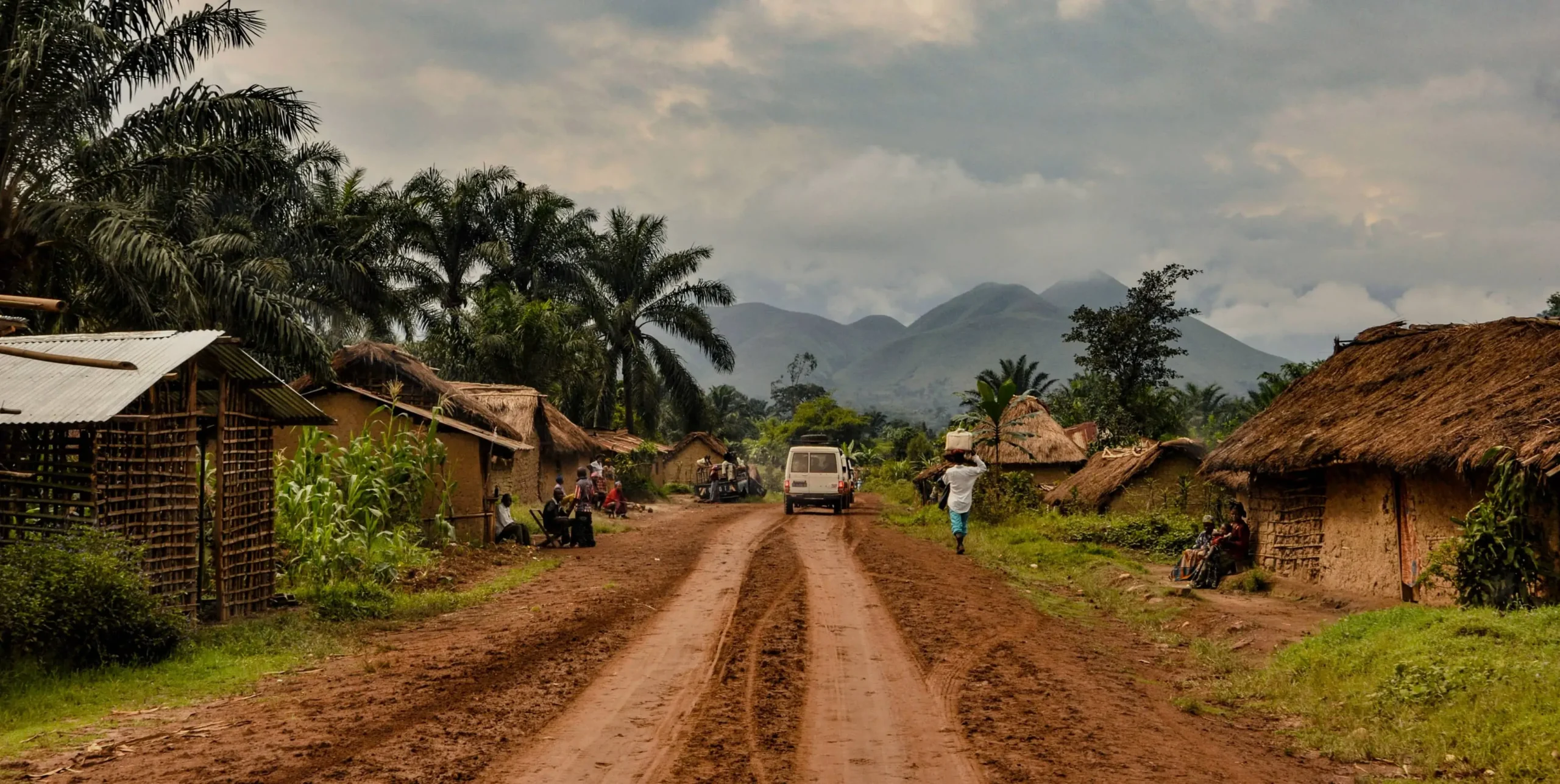
Around 600 million people in sub-Saharan Africa live without access to electricity, and many are concentrated in its least-developed economies. These are markets where electrification rates can be as low as 12 per cent, where commercial investors rarely venture, and where off-grid solar companies struggle to access the working capital they need to grow.

In 2025, we committed £14.8 million to H2R Amplify, the debt-focused vehicle within Acumen’s Hardest-to-Reach initiative. The fund provides impact-linked loans and receivables financing to off-grid solar companies operating across 16 of sub-Saharan Africa’s most underserved countries, helping them manage working capital as they scale into markets that traditional investors overlook.

One company supported through an earlier vehicle in Acumen’s Hardest-to-Reach initiative is Yellow Malawi. The company helps low-income rural customers in Malawi, Rwanda, Uganda, Zambia and Madagascar buy solar home systems and smartphones through affordable financing. Rather than paying upfront, customers pay in instalments, making clean energy and connectivity accessible to people who would otherwise go without. These are the kinds of businesses H2R Amplify is designed to support as it scales.

H2R Amplify expects to reach 34 million people, including 26 million who are gaining energy access for the first time. It expects to displace enough polluting fuel to mitigate 2.3 million tonnes of carbon emissions. The fund is also 2X Challenge-qualified, reflecting a commitment to expanding economic opportunities for women as both customers and employees in the off-grid solar sector.

Image of woman sewing

Our investment is bringing fast, affordable broadband to underserved communities, improving access to digital services and driving wider market change


Connecting people to fast, reliable and affordable internet opens up opportunities for businesses, families and entire communities. Yet until recently, large parts of Nepal remained unconnected. In 2018, less than one-third of the population had internet access and only 6 per cent of households had fixed broadband subscriptions.

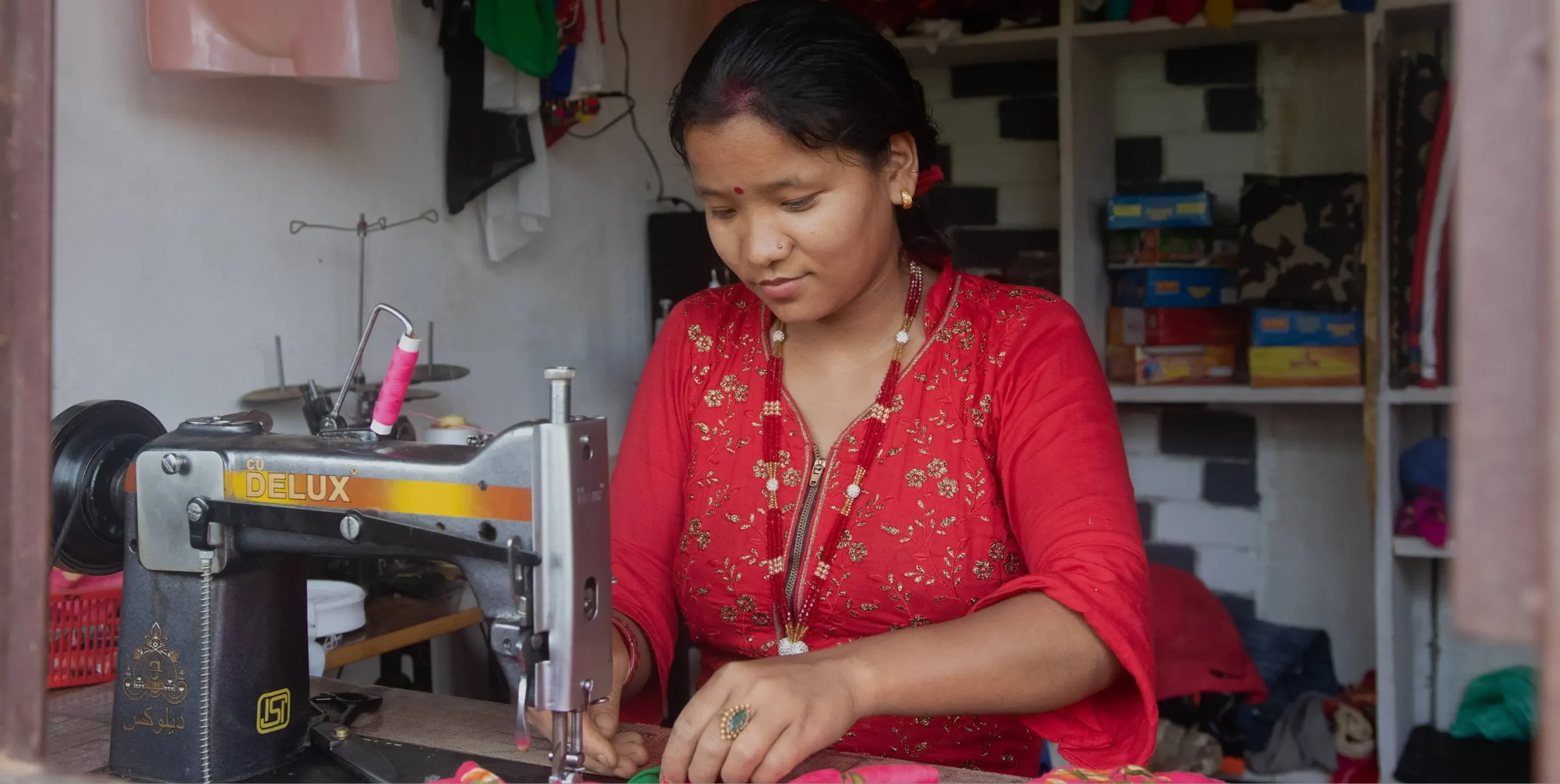
In 2019, we invested in internet service provider WorldLink, which had committed to expanding high-quality, fibre-to-the-home internet connectivity beyond Kathmandu Valley and into Nepal’s smaller cities and remote areas. Since then, the company has expanded from around 300,000 connected households to more than one million, with most of this growth from outside the Kathmandu Valley. Over the same period, access to fixed broadband across the country has increased sharply, reaching around 48 per cent of households by 2024.

The wider impact has been at a market level. By proving the commercial viability of fibre networks beyond major cities, WorldLink has helped to catalyse competition across the sector. This has contributed to a step up in service quality, with internet speeds increasing substantially while prices have fallen, improving access and affordability for consumers across Nepal. WorldLink has demonstrated that high-speed, reliable internet can be delivered at scale outside major urban centres, opening up access to digital services for businesses, households and communities that had previously been underserved.