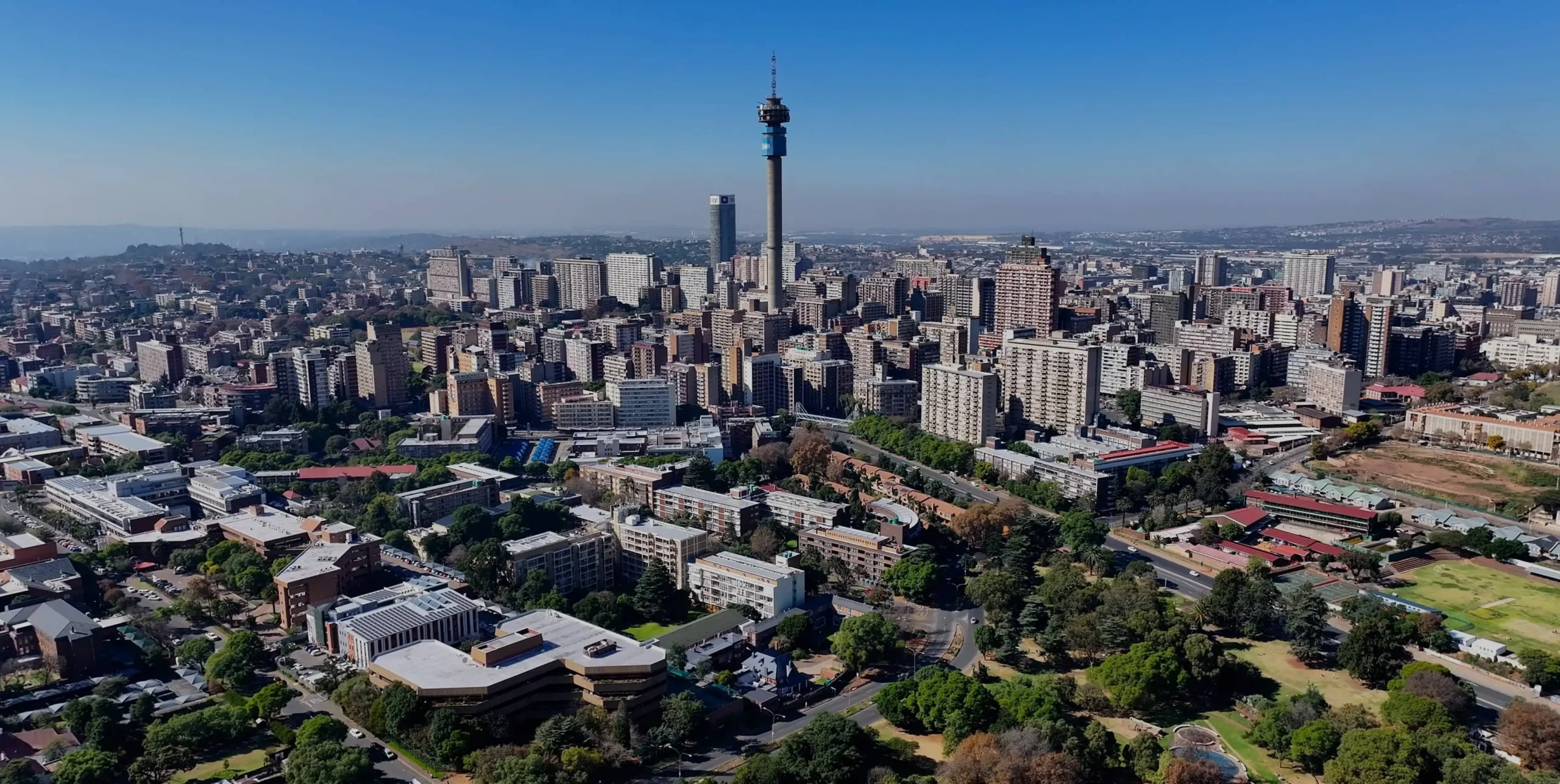
Image of city

Our partnership with one of Africa’s largest asset managers is improving access to finance for underserved businesses


Africa’s SME financing gap stands at an estimated $331 billion, and it is still widening. Mid-sized businesses sit in a difficult position, as they are considered too large for microfinance, yet too small or too risky for most commercial lenders because they lack the collateral, credit history or scale that lenders want. Without access to long-term growth capital, their potential goes unrealised.

In June 2025, we formed a strategic partnership with South Africa’s Public Investment Corporation (PIC), Africa’s largest asset manager with over R3 trillion under management. Its goal is to channel domestic institutional capital into high-impact businesses across the continent, reducing dependence on foreign funding and strengthening local investment ecosystems. In November 2025, we made our first joint investment, into the Enko Impact Credit Fund, a private credit fund providing bespoke financing to mid-sized African businesses in real economy sectors, including manufacturing, renewable energy and financial services.

By pairing our own capital with PIC’s domestic institutional resources, the partnership is already demonstrating the value of our mobilisation strategy. Through strategic partnerships and structured expertise, we can help to crowd in local capital, back underserved businesses and build more resilient investment ecosystems across Africa.
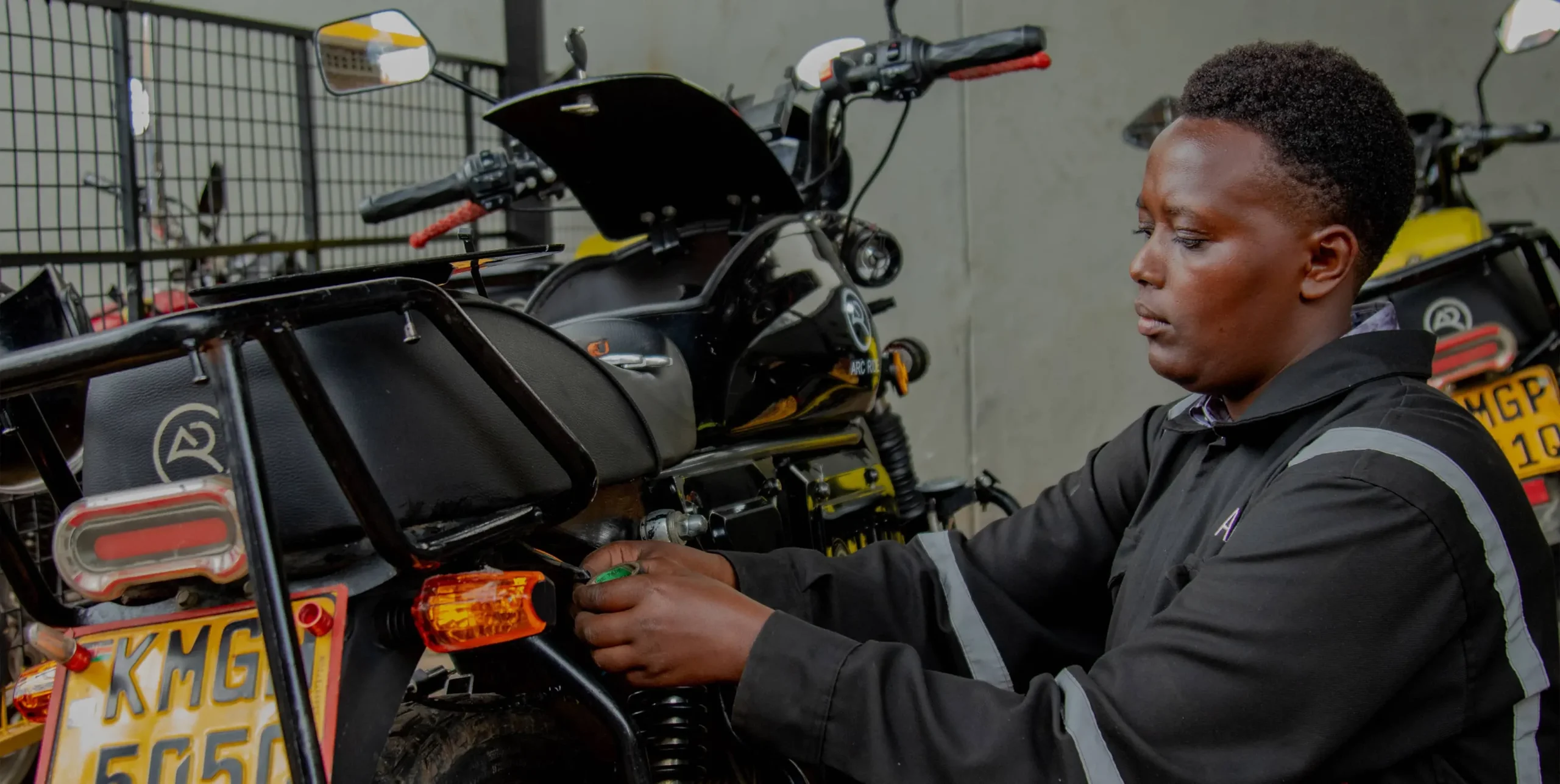
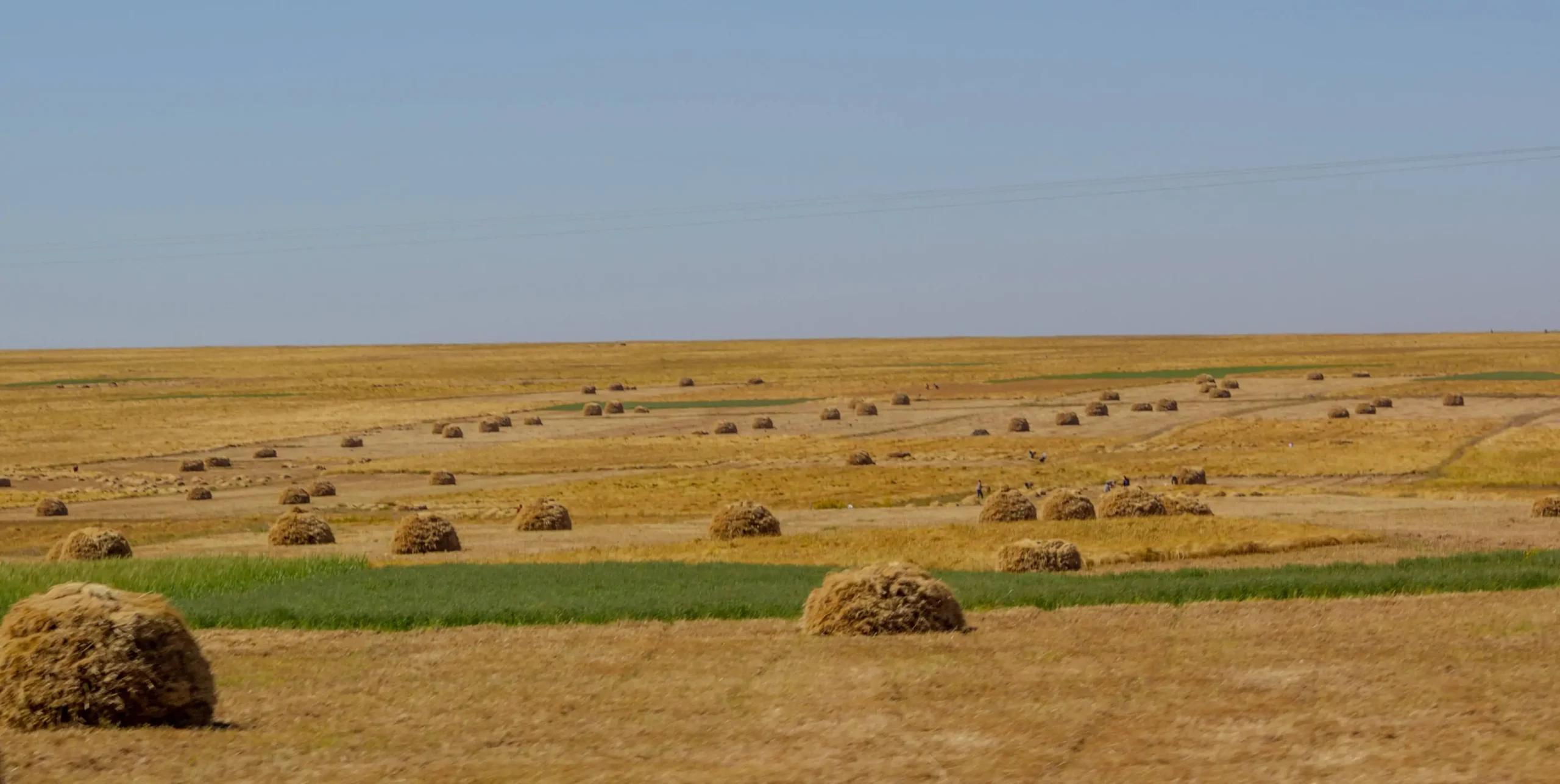
Image of someone fixing motorbike

Our investment is making electric transport affordable for boda boda riders, while also lowering emissions


In Kenya, motorcycle taxis, known as boda bodas, are far more than a mode of transport. They connect communities, create livelihoods and reach places that buses and cars simply cannot. But the country’s reliance on petrol motorbikes comes at a cost: Kenya’s transport sector accounts for 13 per cent of national greenhouse gas emissions.

In 2025, we invested £3.8 million in ARC Ride, a Nairobi-based electric mobility company. ARC Ride designs and assembles electric two-wheelers, backed by a battery swapping network and a Battery-as-a-Service model that makes clean transport practical and affordable at scale. The company is also committed to building a more inclusive workforce. Women make up 40 per cent of ARC Ride’s workforce, thanks to proactive efforts to support female talent, including in technical engineering roles.

Our investment is supporting the rollout of 5,000 electric boda bodas and expanding ARC Ride’s battery swapping infrastructure across Africa. ARC Ride currently has 15 hubs in Nairobi and 250 battery swapping stations that are enabling about 10,000 swaps a day. For riders, switching to electric means lower running costs and more reliable income. For Kenya, it means measurable progress on emissions: ARC Ride’s EV rollout is expected to avoid more than 100,000 metric tonnes of emissions per year.

Most commercial lenders are not yet ready to back early-stage businesses like ARC Ride. We’re helping to bridge that gap, while also helping to create real economic opportunities for some of Kenya’s most informal yet essential workers.

Image of field with hay bales

Our investment is helping smallholder farmers earn more from teff, while retaining export value inside the country


Agriculture is the backbone of Ethiopia’s economy, accounting for more than three quarters of employment and export revenues. Yet most of that value leaves the country as raw commodity, processed elsewhere. For the millions of smallholder farmers at the heart of this system, that means limited income and exposure to the shocks of drought, erratic rainfall and volatile markets.

Teff, a nutrient-rich indigenous grain, sits at the centre of Ethiopia’s food system. More than 6.6 million smallholder farmers cultivate it, and it remains central to rural livelihoods across the country.

In 2025, we invested £3.7 million in Lovegrass Ethiopia, an agri-processing company turning teff into value-added food products for domestic and export markets. By processing teff locally rather than exporting it raw, Lovegrass keeps more value inside Ethiopia, generating hard currency while building modern food-processing capacity.

Our investment will help expand production, create skilled jobs and deepen Lovegrass’s sourcing from smallholder farmers, with the ambition to reach thousands of rural producers as the business grows. For those farmers, a reliable, growing buyer means more stable income and a stronger foothold against the volatility that has long defined smallholder agriculture in the region.

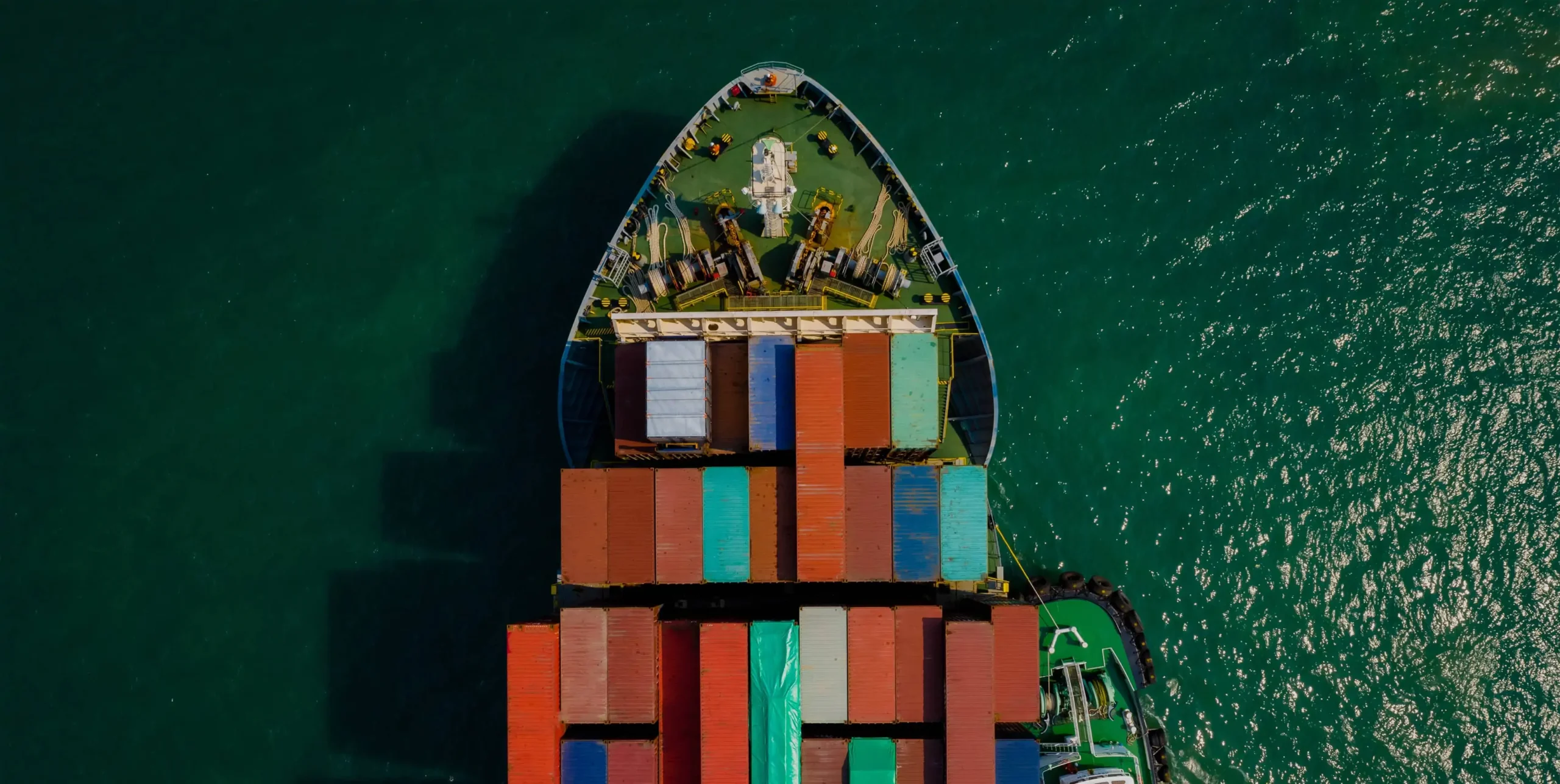
Image of boat

Our partnership with DP World accelerates Africa’s potential as a global trading powerhouse and improves the economic prospects of millions of people


In many parts of Africa, the modernisation of ports, corridors and logistics networks can help to create jobs, enable exports, attract private investment, and connect landlocked economies to global markets. Yet much of the continent’s export infrastructure remains chronically underfunded.

Berbera Port in Somaliland is a case in point. A strategic gateway on the Gulf of Aden, it is also an important alternative trade corridor for Ethiopia, which currently routes around 95 per cent of its trade through Djibouti. But it needed modernisation to become a major regional trade hub.

In early 2022, we established the BII–DP World Africa Gateway partnership to support the expansion of ports and inland logistics across Africa. This included a minority investment in Berbera Port, driven by DP World Berbera in partnership with the Government of Somaliland.

In December 2025, we published an independent evaluation of the port’s modernisation. It found that by 2024, the port and its ecosystem were supporting around 2,490 jobs and $45 million in value added to the Somaliland economy, contributing an additional 0.4 per cent of GDP that year. Container handling capacity had more than tripled, average vessel turnaround times fell from 64 hours in 2018 to around 25 hours in 2024, and Berbera’s share of regional container trade has grown from 9 per cent in 2017 to 14 per cent in 2024.