A collaborative approach
Addressing these challenges requires a co-ordinated approach. That’s why, in 2020, we co-founded the Adaptation & Resilience Investors Collaborative (ARIC), an international partnership of DFIs and private investors working together to accelerate and scale adaptation finance in emerging markets.
In 2025, we continued working through ARIC to mobilise private capital and strengthen market practice. Together with partners, we launched the Investors Resilience Challenge, to help overcome barriers that currently limit the scale of adaptation and resilience finance. The challenge provides a flexible set of criteria that aim to make it easier for DFIs and private investors to work together, for private sector co-investors and investees to engage with greater clarity on the resilience of investments, and ultimately to mobilise more private capital into businesses and solutions needed to deliver adaptation and resilience across sectors and communities.
Alongside this, we are increasingly applying these approaches within our own portfolio – helping to assess and steer progress on climate resilience at a portfolio level and contributing to broader efforts to support climate-resilient development.
Supporting resilience on the ground
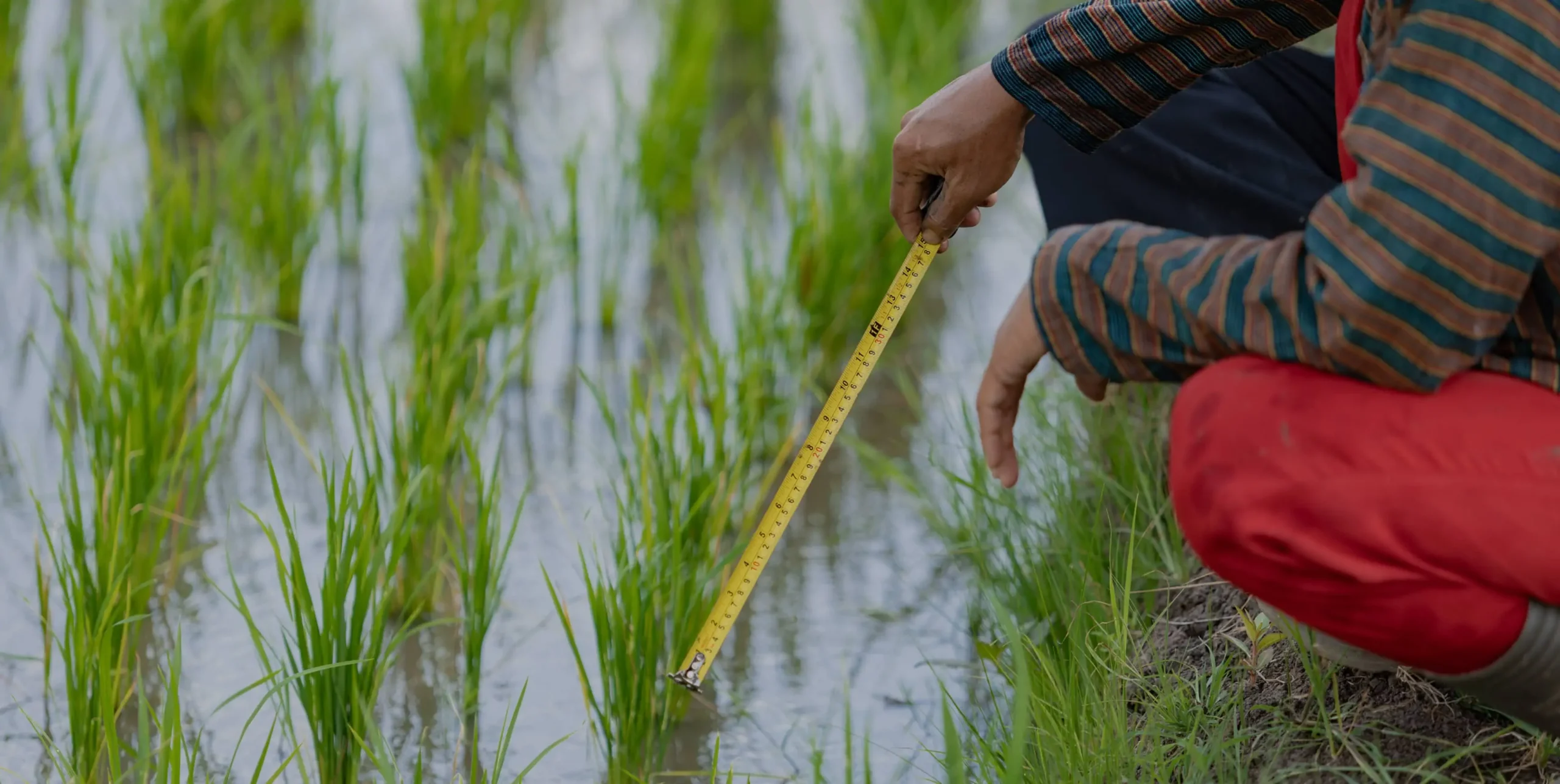
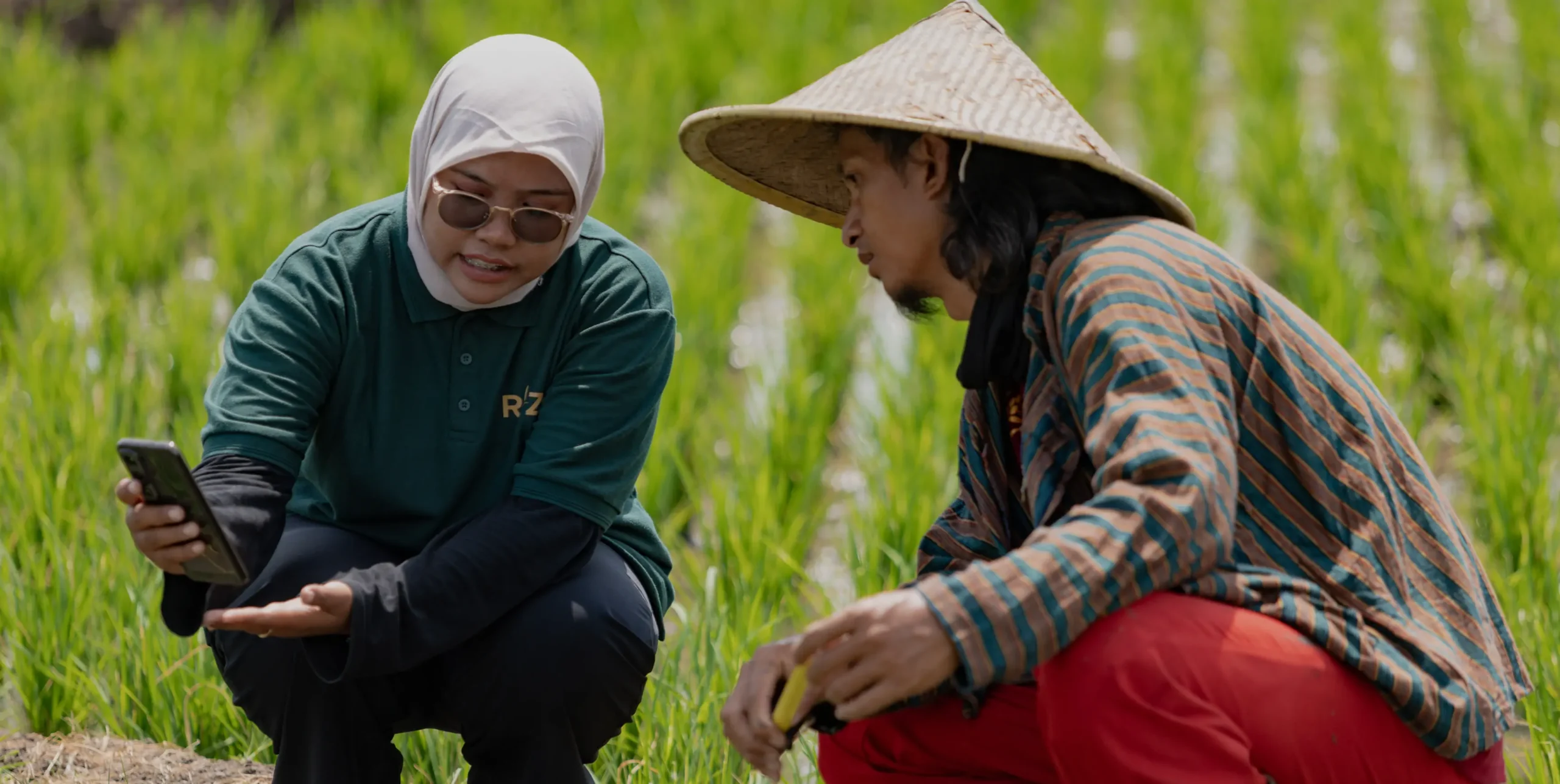
Across our portfolio, we invest in businesses that strengthen resilience for vulnerable communities and sectors, support livelihoods and help communities adapt to the growing impacts of climate change. In India, our investment in Arya.ag is helping to improve climate resilience for smallholder farmers. By strengthening storage infrastructure and market access, the business supports more stable incomes for 68,000 farmers, while reducing crop losses and enabling more climate-resilient agricultural practices.
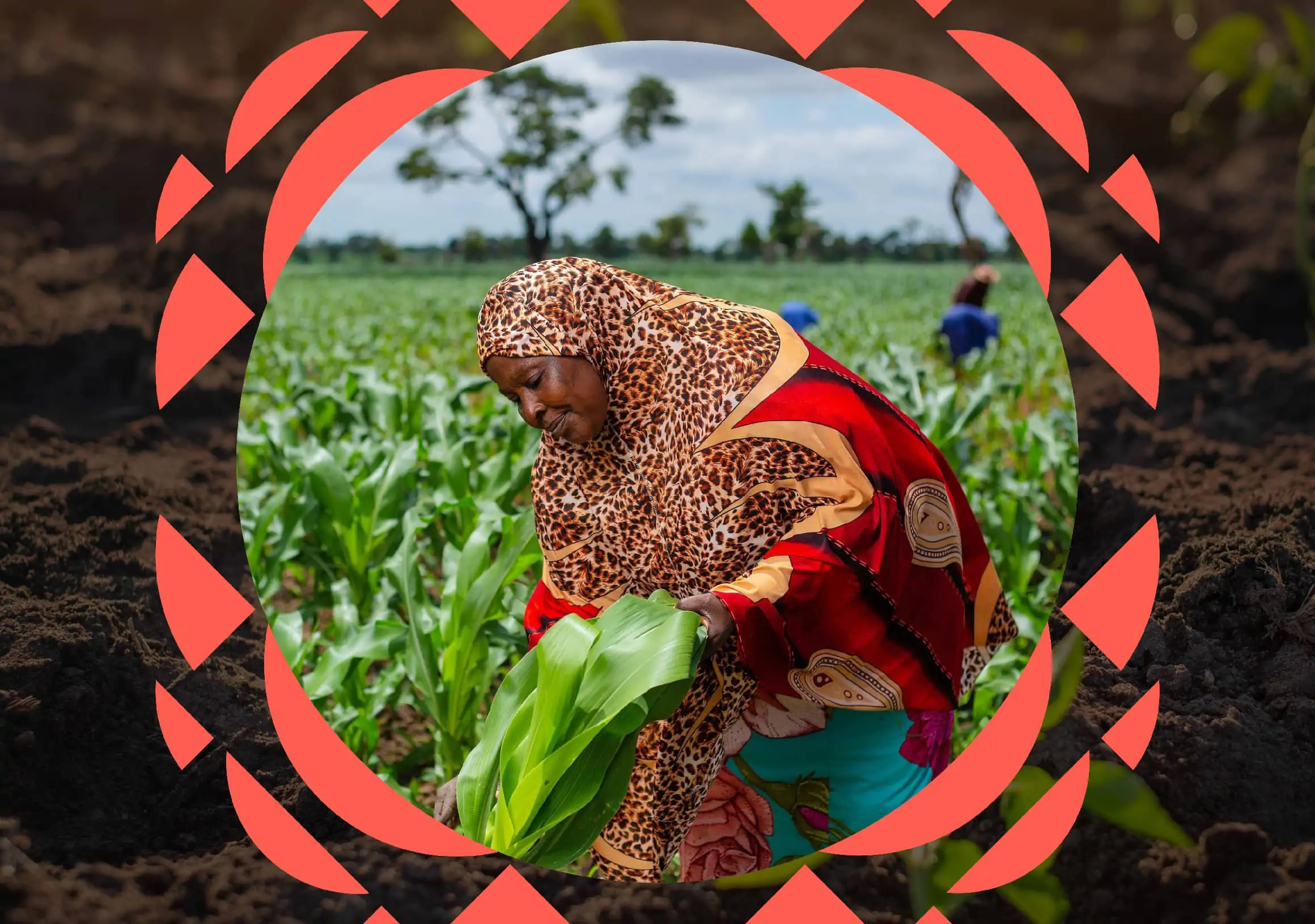
In Nigeria, our investment in Babban Gona is supporting smallholder farmers with access to finance, training and climate‑smart inputs, including drought‑resistant seeds and insurance, helping to strengthen resilience to climate shocks.
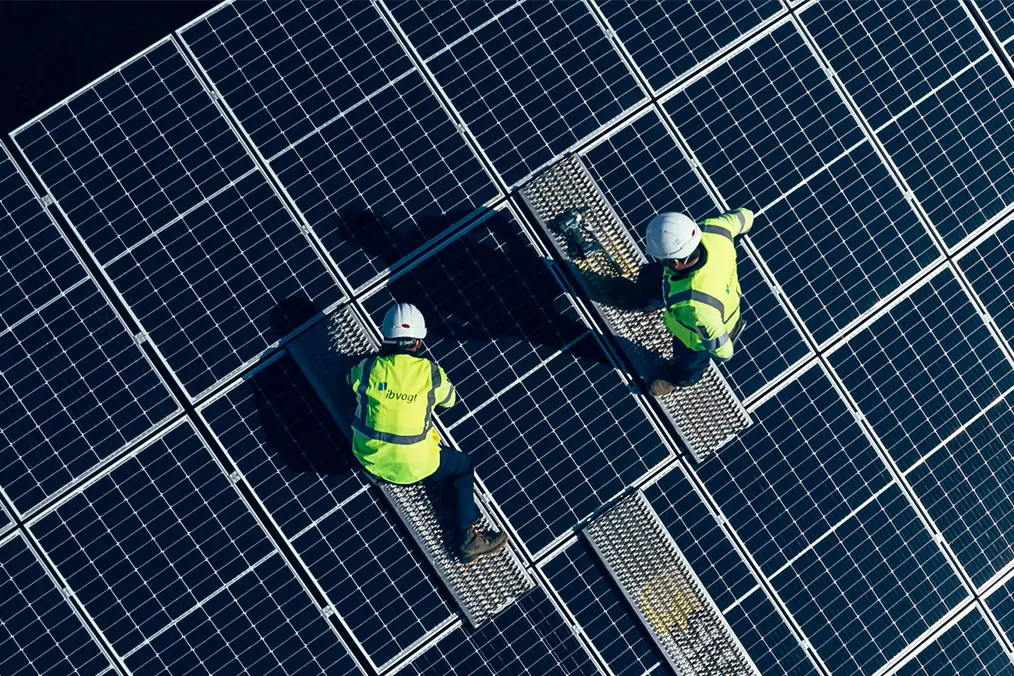
And in Pakistan, our partnership with HBL is expanding access to finance for smallholder farmers and agribusinesses, including for technologies such as solar-powered irrigation that support adaptation and resilience to changing climate conditions.
We’re also empowering women through climate-resilient microfinance. In partnership with Kashf Foundation in Pakistan, with funding from our technical assistance facility BII Plus, we supported the development of climate-resilient financial products for low-income women, including finance for affordable housing designed to withstand floods and extreme heat. Kashf is now a leader in climate-resilient microfinance, aligned with Pakistan’s National Adaptation Plan.