We focus our capital where it is needed most: in frontier markets where private investment remains scarce, risks are higher and development needs are greatest. These are often countries beyond the reach of commercial investors, where it is hard to do business but where long‑term, patient capital can have the greatest impact.
In 2025, we committed £729 million to poorer and more challenging markets across Africa and Asia (see chart – these are countries we currently define as ‘Alpha’ and ‘Beta’).
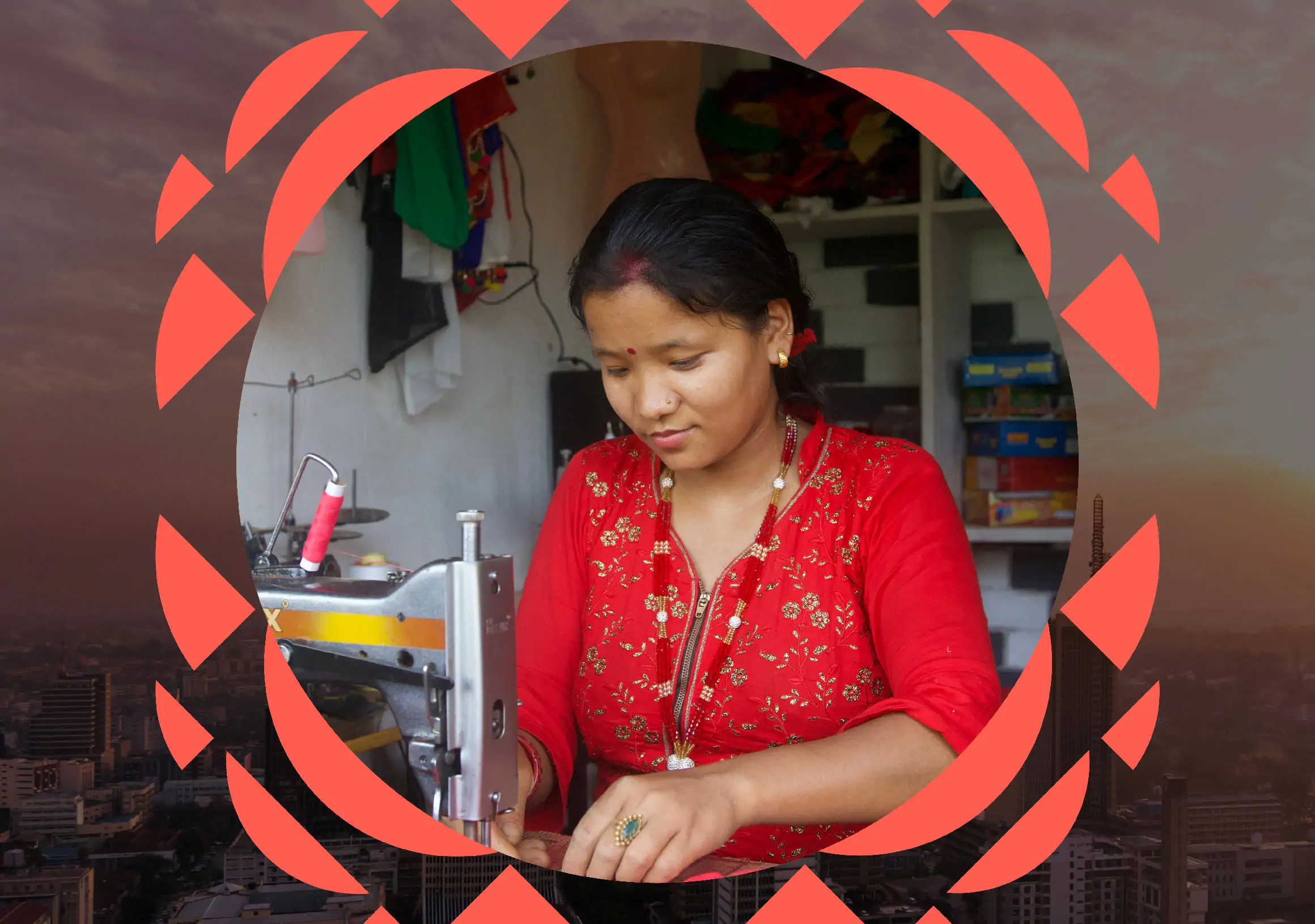
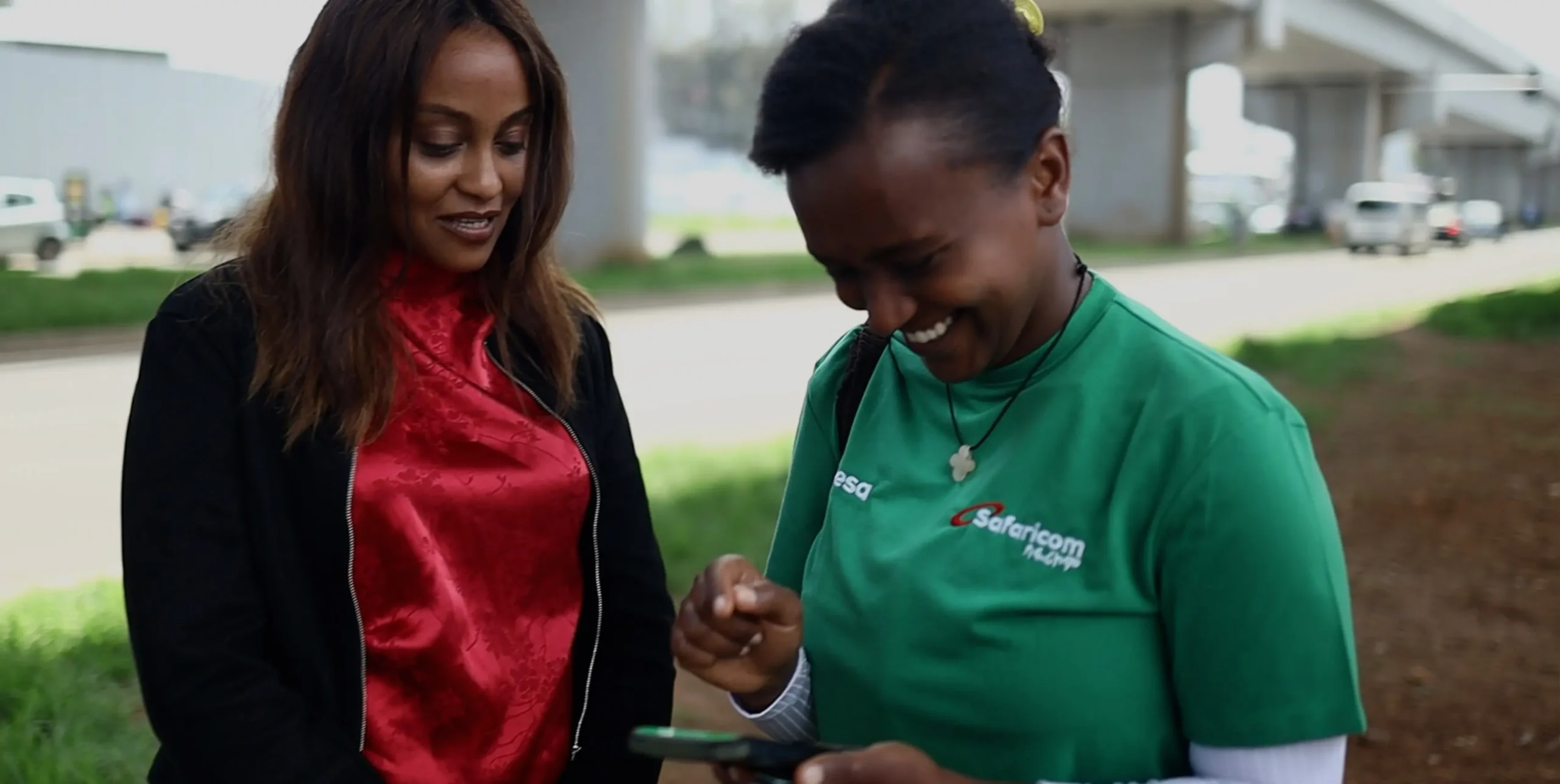
Our long-standing presence in frontier markets allows us to back businesses through periods of change and uncertainty, and to support them as markets develop. In Nepal, our investment in WorldLink has not only expanded broadband connectivity beyond Kathmandu Valley into smaller cities and remote areas, but has helped to transform the wider internet service market by demonstrating the commercial viability of fibre-to-the-home and driving greater competition, improved service quality and lower prices for customers. In Ethiopia, our investment in Safaricom Ethiopia is supporting the rollout of mobile connectivity and financial services in one of Africa’s largest frontier markets, helping to widen access, strengthen competition and support longer‑term market development.
Building markets over the long term
Experience has shown us that, in frontier markets, capital alone is often not enough. Barriers such as a lack of investment‑ready businesses, weak ecosystems and limited investor confidence can constrain private investment. Our new strategy responds to this by placing greater emphasis on deliberate, programme‑led approaches that address these constraints and help shape markets over time.
The Africa Resilience Investment Accelerator (ARIA) is central to this approach. Established to unlock investment opportunities in frontier economies, ARIA operates in countries including Benin, the Democratic Republic of Congo, Ethiopia, Liberia and Sierra Leone. Supported by funding from our technical assistance facility BII Plus, it works across markets to develop pipelines of investible businesses, provide technical assistance and convene investors – moving beyond one-off transactions to support sustained market development.
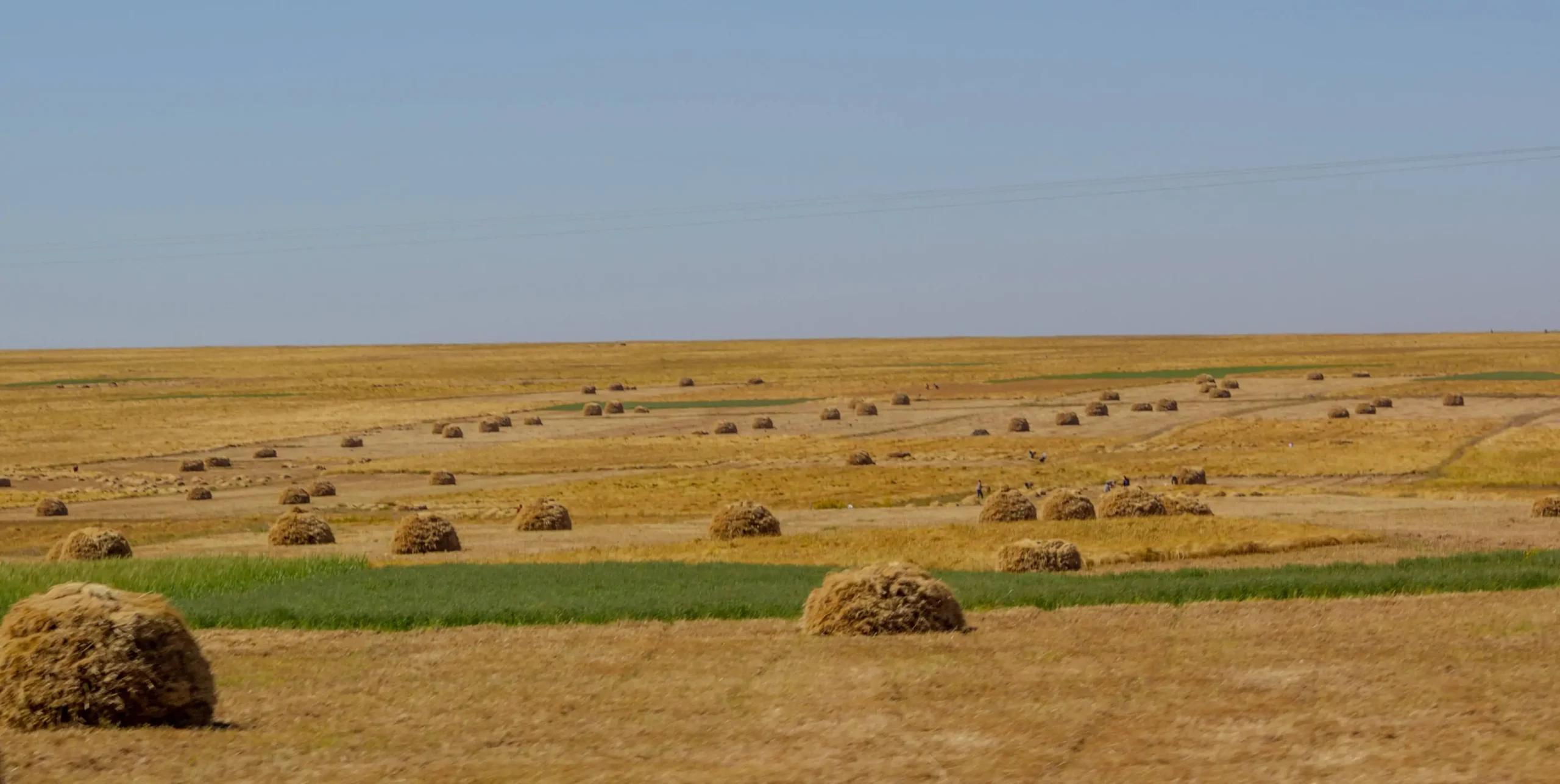
In 2025, ARIA supported a number of BII investments by helping businesses become investment-ready and enabling investors to operate more effectively in frontier contexts. This included our investment in Lovegrass, an Ethiopian agri‑processing company specialising in teff-based flour, breakfast cereals and snacks for domestic and export markets, including the UK and Europe.
Platforms and partnerships in frontier markets
Alongside direct investments, we use platforms and specialist partnerships to deliver at scale where markets are hardest to reach. Through Gridworks, our platform focusing on developing electricity networks, we continue to develop and operate vital electricity infrastructure in countries such as Burundi and Mozambique, supporting more reliable power systems in frontier markets where energy remains a binding constraint on growth.
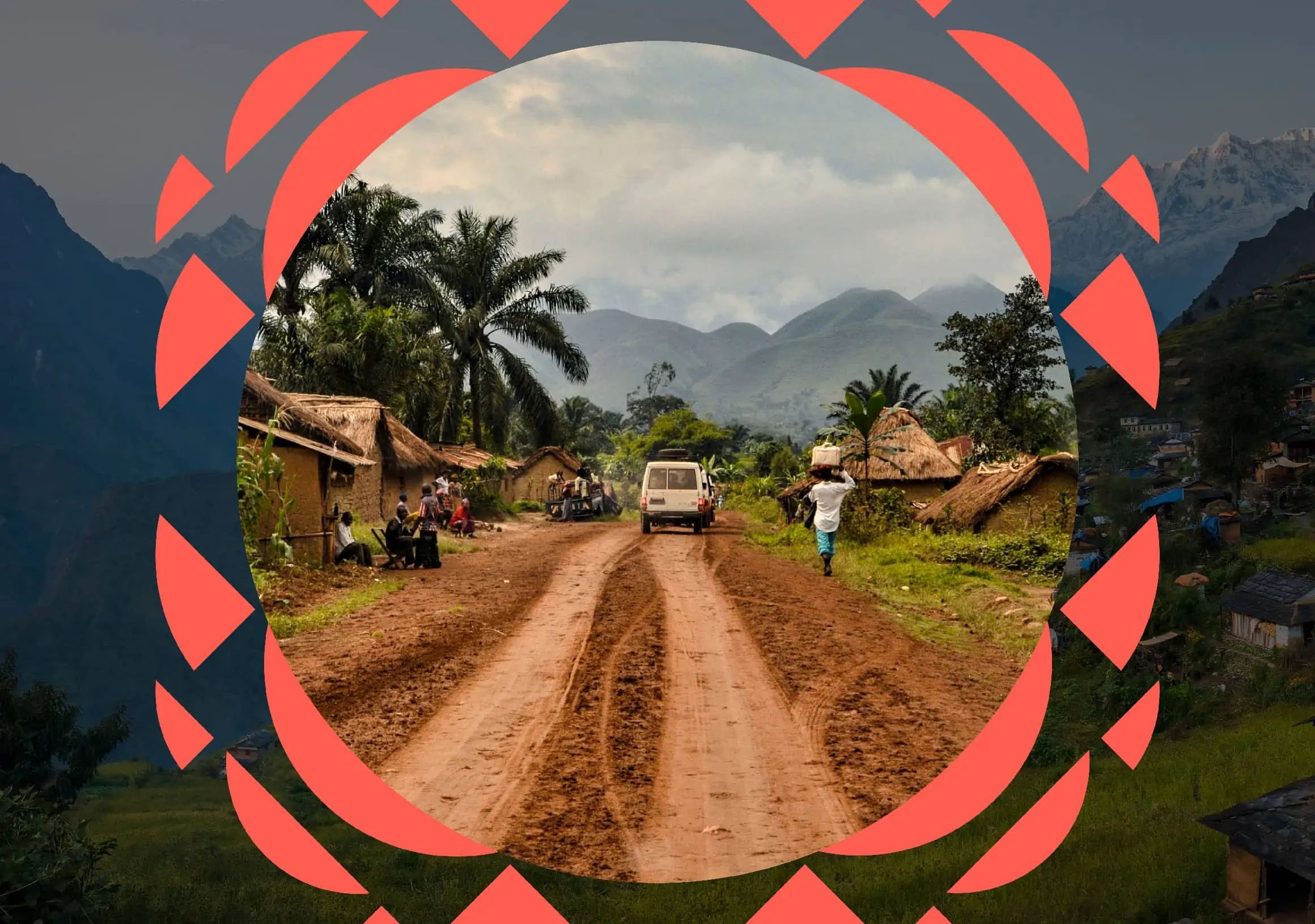
We also work with local and regional financial institutions to improve access to finance in fragile economies. In the Democratic Republic of Congo, our support for Rawbank is expanding access to finance for local corporates and SMEs, helping entrepreneurs to grow, create jobs and contribute to the wider economy. Through Acumen’s fund H2R Amplify (part of its Hardest-to-Reach initiative), we back energy access providers delivering essential services to underserved populations living in frontier and fragile contexts.
Together, these investments reflect a consistent approach: taking informed risks, building markets patiently and staying invested for the long term. Our new 2026–31 Strategy builds on this, with a continued focus on frontier markets. From 2026, we will adopt a more focused definition of frontier markets, based on the UN’s list of the Least Developed Countries, meaning reported figures may differ from previous years.