Backing clean, reliable energy systems
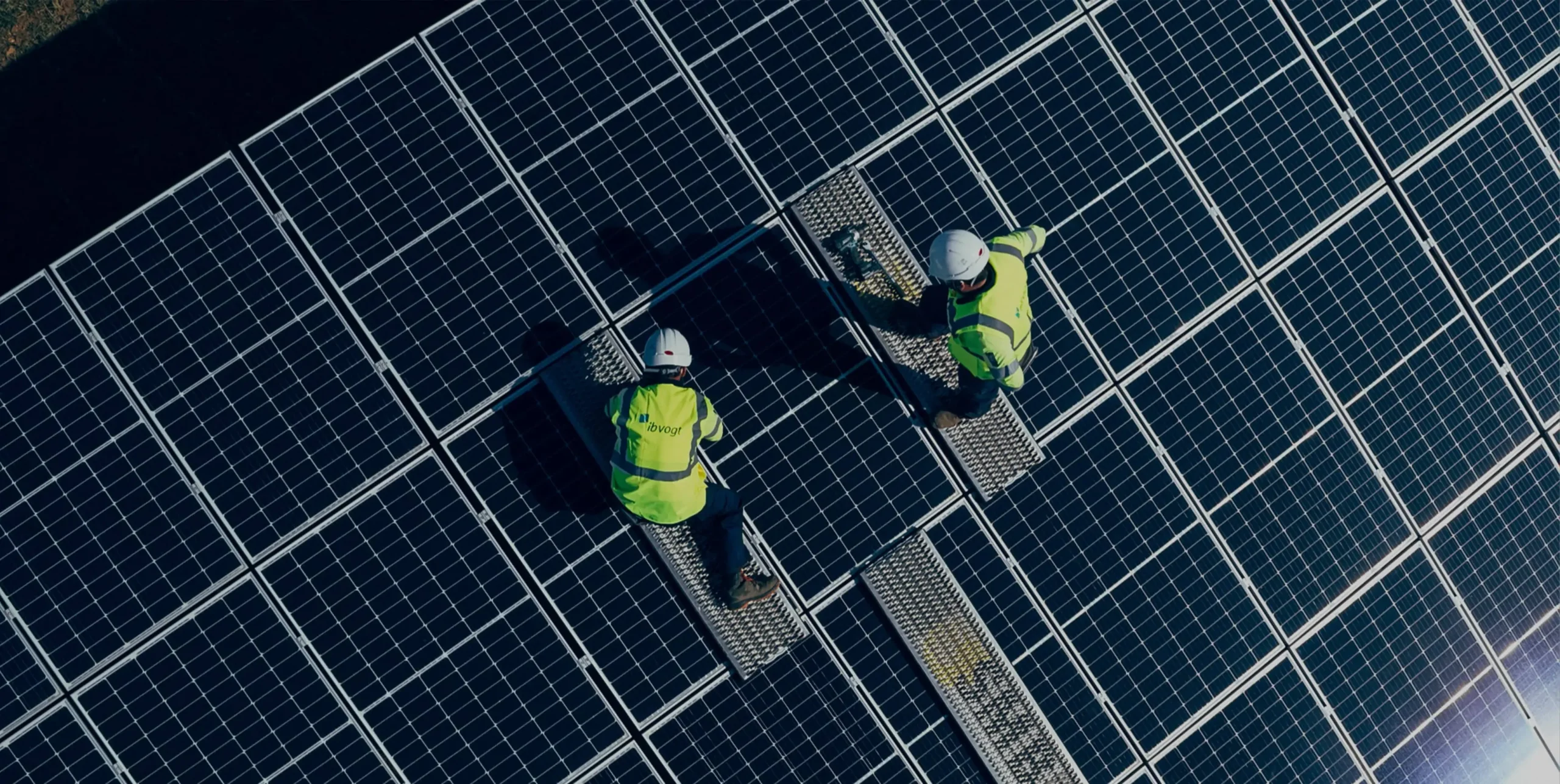
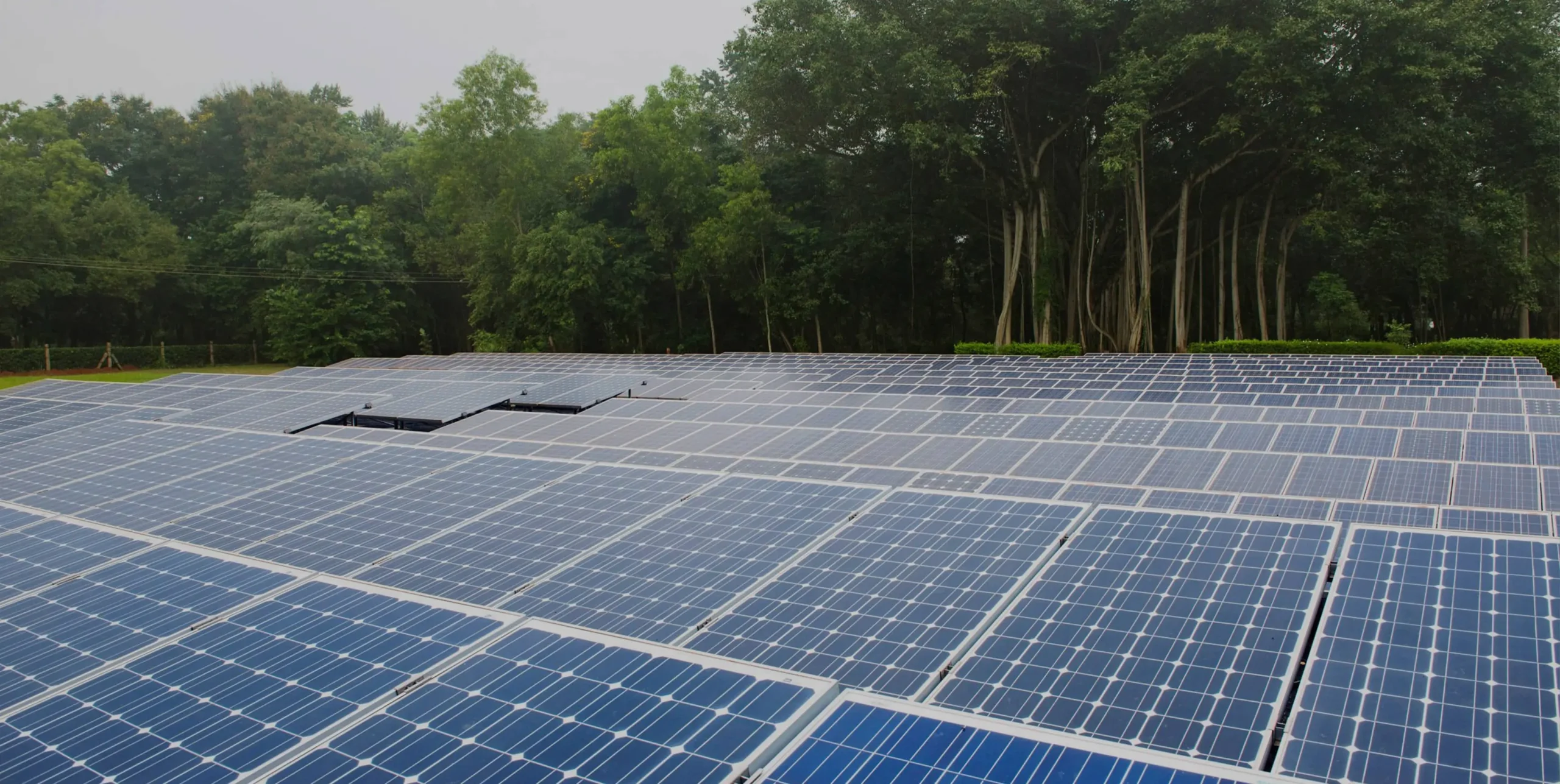
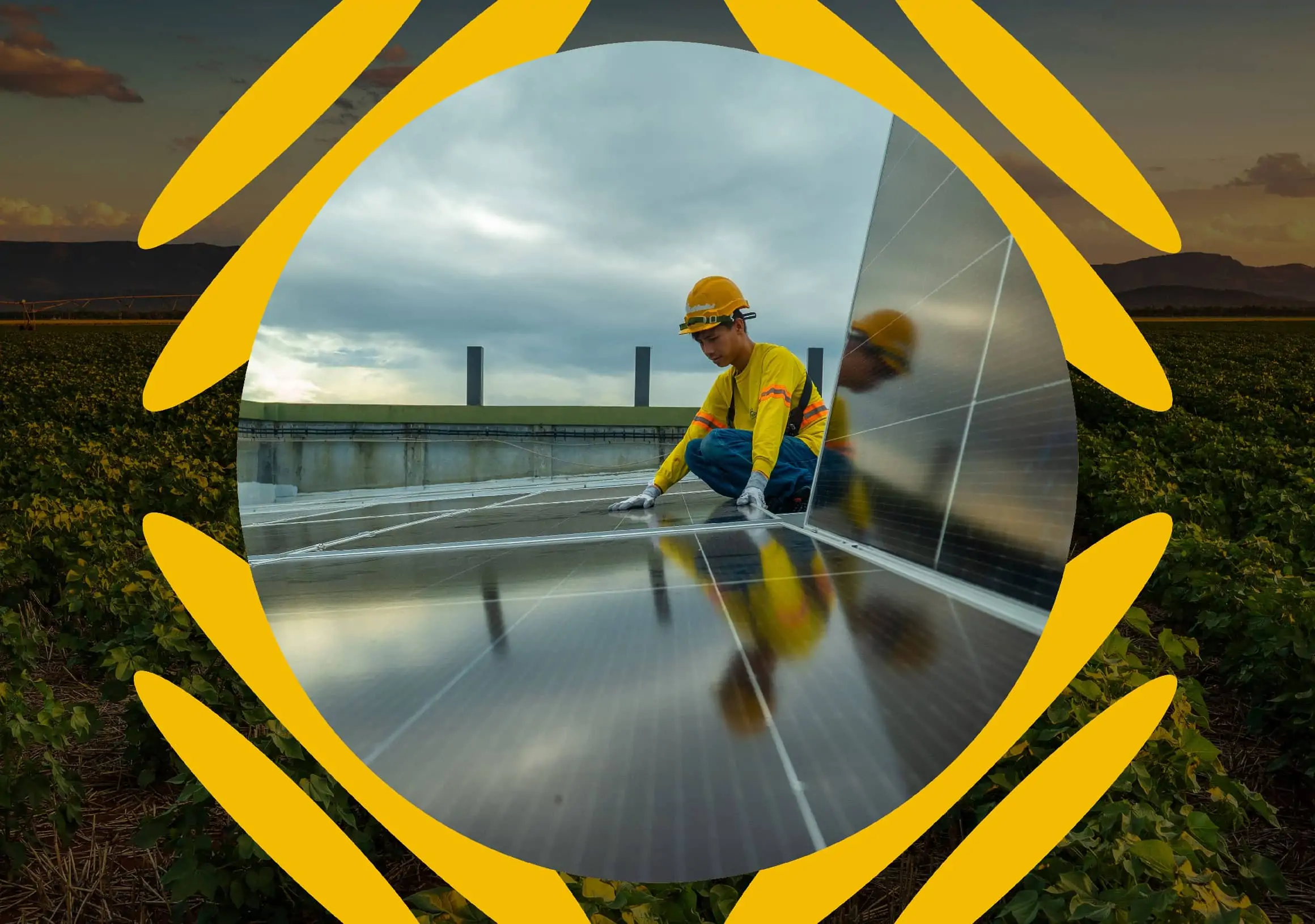
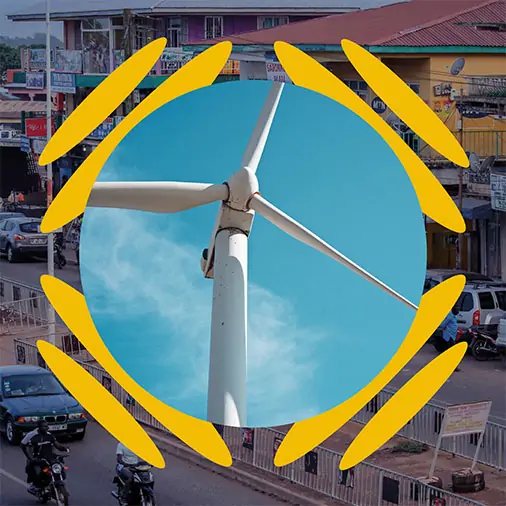
Renewable energy remains fundamental to the transition. We continue to invest across solar, wind and hydropower, alongside battery storage, to help expand access to affordable, low‑carbon electricity.
But delivering a net‑zero future requires more than clean power generation. As renewable power availability increases, energy systems must be able to absorb, store and distribute electricity reliably. Our investments increasingly focus on grid flexibility, network stability and system‑level innovation – including transmission and distribution infrastructure, smart metering and time‑of‑use solutions that better align demand with renewable supply.
In 2025, this included backing pioneering battery storage and hybrid projects, such as Obelisk in Egypt, which combines large‑scale solar with battery storage to deliver more stable, round‑the‑clock power. We also continued to support platforms like Gridworks, which addresses structural constraints in power systems and helps unlock private investment into critical grid infrastructure across Africa.
And in India, we have invested in companies like Polaris Smart Metering to accelerate digital energy infrastructure in the country. This investment will support improved grid efficiency in the context of growing electricity demand. Smart metering can also contribute to lower greenhouse gas emissions by reducing technical losses and improving system efficiency. In addition, it enables better integration of renewable energy through tools such as time-of-use tariffs, helping to balance demand throughout the day.
The evaluation of our investment in Fourth Partner Energy, a provider of renewable power solutions for commercial and industrial businesses in India, highlighted how switching to renewable energy is delivering major benefits for Indian businesses – boosting output while reducing carbon emissions.
As well as investing directly in green opportunities, we work with financial institutions to expand their climate portfolios, including through anchoring green bonds. Examples from 2025 include our support of Nepal’s first green bond issuance by NMB Bank, to support small and medium-sized enterprises involved in climate financing projects and accelerate the country’s energy transition. And in Vietnam, we backed the inaugural international green bond programme by HDBank to support the country’s green energy transition.
Our renewable energy investments now account for a significant share of the power generated and distributed by our investees. In 2025, 78 per cent of electricity generated by our investees came from renewable sources such as solar, wind and hydro. This is an increase from 56 per cent from renewable sources in 2024, reflecting both a growing renewable asset base and increased generation from existing projects.
Based on all direct renewable energy investments in our portfolio, we avoided 2.7 million tonnes of CO2e emissions in 2024 (latest available data, on an attributed basis). This represents a 75 per cent year-on-year increase. As with the metric above, this was driven by a growing renewable asset base in our portfolio and increases in the amount of renewable power produced.
Supporting industrial decarbonisation and sustainable manufacturing
Achieving net zero will require significant emissions reductions in carbon‑intensive sectors. A focus of our next strategy period is supporting industrial decarbonisation and sustainable manufacturing, helping businesses transition away from high‑emissive processes while remaining competitive.
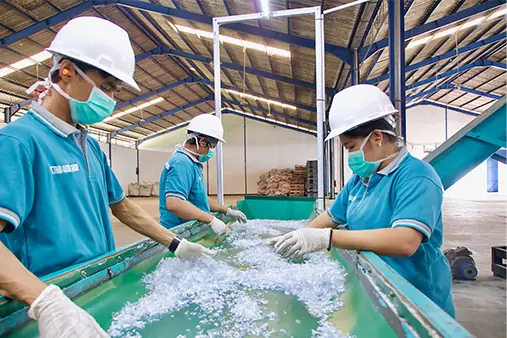
In 2025, we stepped up our use of transition finance, including through our partnership with FirstRand, which will provide capital to help high-emitting African businesses invest in cleaner technologies, improve energy efficiency and adopt more sustainable production methods. We will provide both capital and technical assistance to deploy under FirstRand’s transition finance framework and practices, as well as to grow its respective portfolio within its corporate and commercial banking arms. By working with financial institutions already embedded in local markets, we aim to accelerate change across entire value chains, not just individual companies.
These investments reflect our commitment to back credible transition pathways – recognising that moving to net zero will look different across regions and sectors, but must start now.
Accelerating e-mobility across markets
Transport is another critical sector for decarbonisation. We expanded our commitments to e‑mobility in 2025, investing across the value chain to help shift markets towards cleaner, more efficient transport systems.
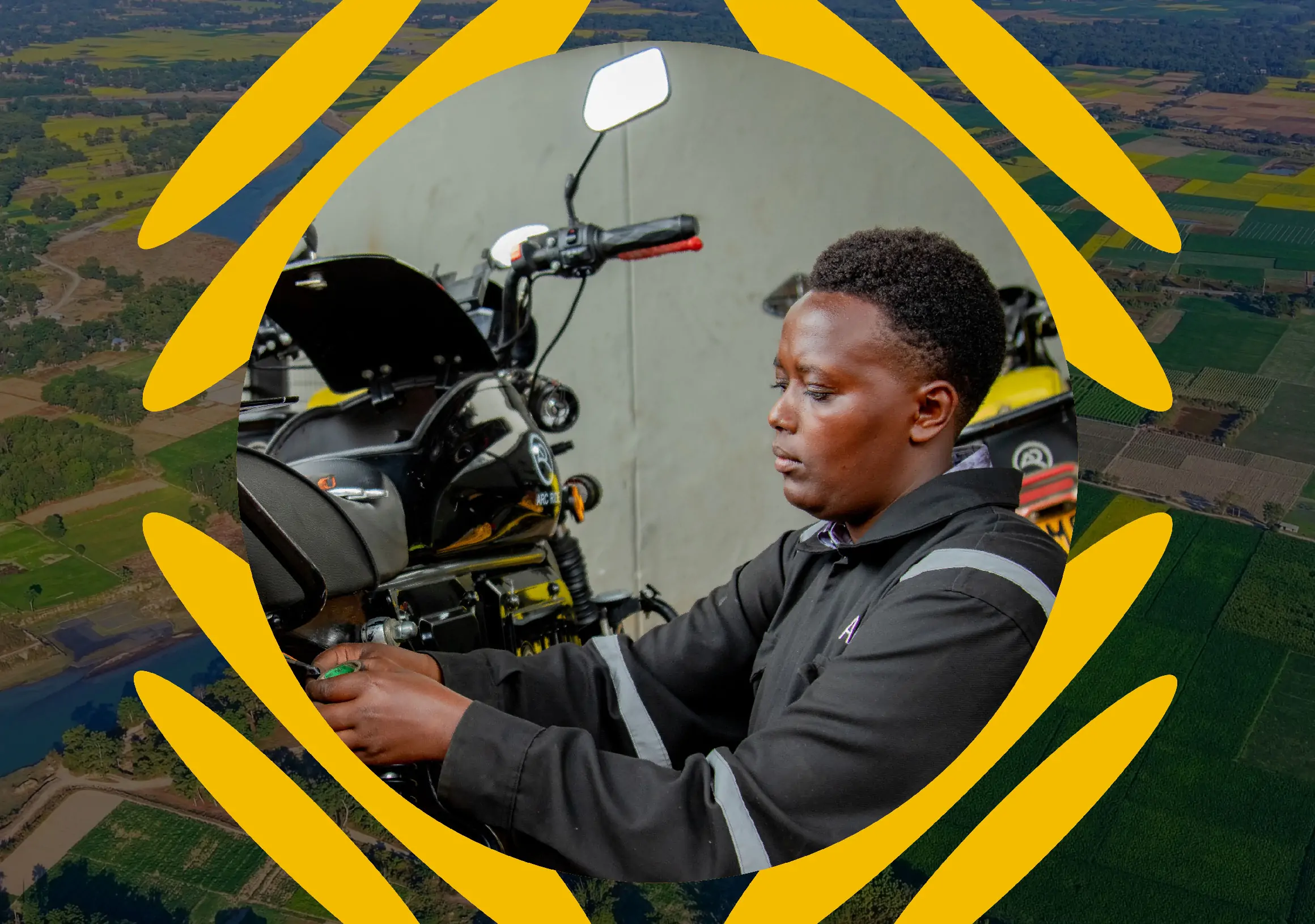
Our investments span electric two‑wheelers, four-wheelers, e-buses, charging infrastructure and fleet solutions. They include Mega Motor Company in Pakistan, ARC Ride in Kenya, and ChargeZone in India, which opened the country’s largest EV charging hub in June 2025, with over 200 charging points. Investments in the e-bus space, where the reduction in emissions from switching from diesel to electric is particularly high, include GreenCell Mobility and Electrigo in India. Together, these investments in e-mobility help address common barriers to adoption, including vehicle affordability, charging availability and business model viability.
By backing multiple entry points into the e‑mobility ecosystem, we aim to accelerate market development – supporting cleaner air, lower emissions and safer, more accessible transport for growing cities and communities.